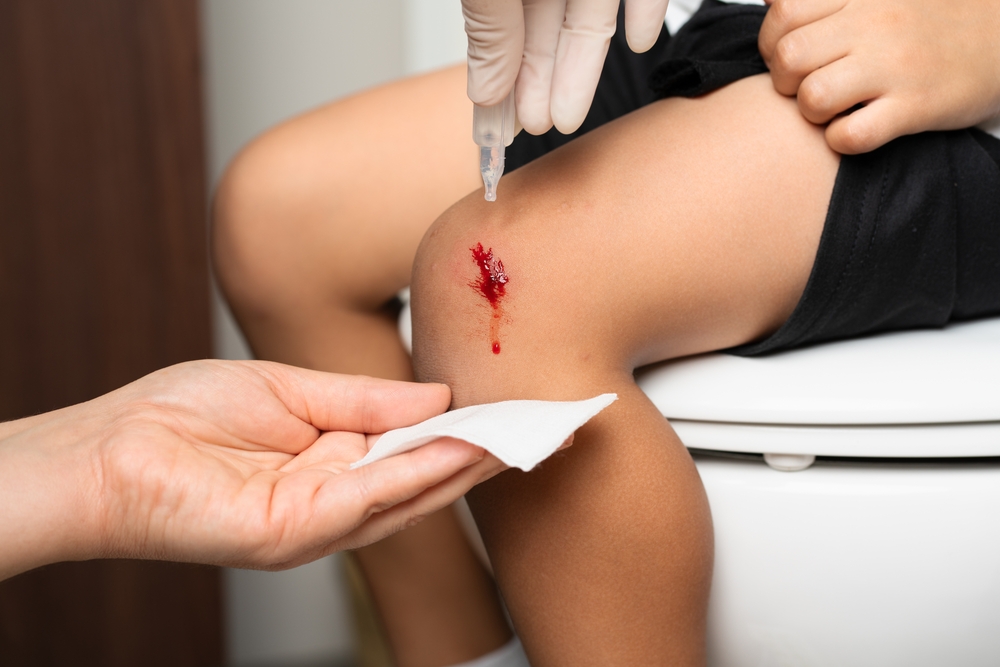
Diabetes is a chronic condition that affects millions of people worldwide, impacting how the body regulates blood sugar. One of the less-discussed but serious complications of diabetes is the development of non-healing wounds. These wounds, particularly on the feet and lower extremities, can become chronic and lead to severe infections if not treated promptly. Understanding the connection between diabetes and non-healing wounds is essential for effective prevention and care.
Understanding Wound Healing
Wound healing is a complex biological process that occurs in stages: hemostasis, inflammation, proliferation, and remodeling. Each stage relies on proper blood circulation, immune function, and collagen formation to repair damaged tissue. Diabetes disrupts these processes in multiple ways. High blood sugar levels weaken the immune system, making it harder for the body to fight infections. Reduced circulation limits the oxygen and nutrients reaching the wound, slowing healing. Additionally, nerve damage, or neuropathy, often prevents patients from noticing small injuries, allowing wounds to worsen unnoticed.
The importance of specialized care cannot be overstated. The Treatment of Non Healing Wounds in diabetic patients requires a careful, coordinated approach that addresses blood sugar control, infection prevention, and proper wound management. Kalingap Wound Care Clinic provides comprehensive services tailored to these needs, making it the preferred choice for managing chronic wounds.
Types of Non-Healing Wounds in Diabetes
Diabetic patients are particularly susceptible to two major types of chronic wounds: diabetic foot ulcers and pressure ulcers. Diabetic foot ulcers (DFUs) develop due to a combination of poor circulation, neuropathy, and minor trauma. These wounds can become infected quickly and are a leading cause of hospitalization in diabetic patients. Pressure ulcers, on the other hand, occur in areas of prolonged pressure or friction, often due to immobility. Both types of wounds require immediate attention and specialized care.
Seeking expert Treatment of Non Healing Wounds is crucial for preventing complications such as gangrene or amputation. Kalingap Wound Care Clinic offers advanced therapies designed specifically for diabetic wounds, including debridement, dressings, and hyperbaric oxygen therapy.
Risk Factors for Non-Healing Wounds
Several factors increase the likelihood of chronic wounds in diabetic patients. Poor blood sugar control is the most significant, as elevated glucose impairs immune function and delays healing. Peripheral artery disease reduces blood flow to the extremities, further complicating recovery. Other contributing factors include obesity, malnutrition, smoking, and repeated trauma or pressure on vulnerable areas. Recognizing these risk factors early allows patients to take preventive measures and seek timely care.
Signs to Watch For
Early identification of non-healing wounds can prevent severe complications. Key warning signs include redness, swelling, discharge, persistent pain, or numbness in the affected area. Wounds that do not show improvement after two to four weeks require professional evaluation. Consulting a clinic specializing in Treatment of Non Healing Wounds, such as Kalingap Wound Care Clinic, ensures proper assessment and management, reducing the risk of infections and promoting faster recovery.
Treatment Options
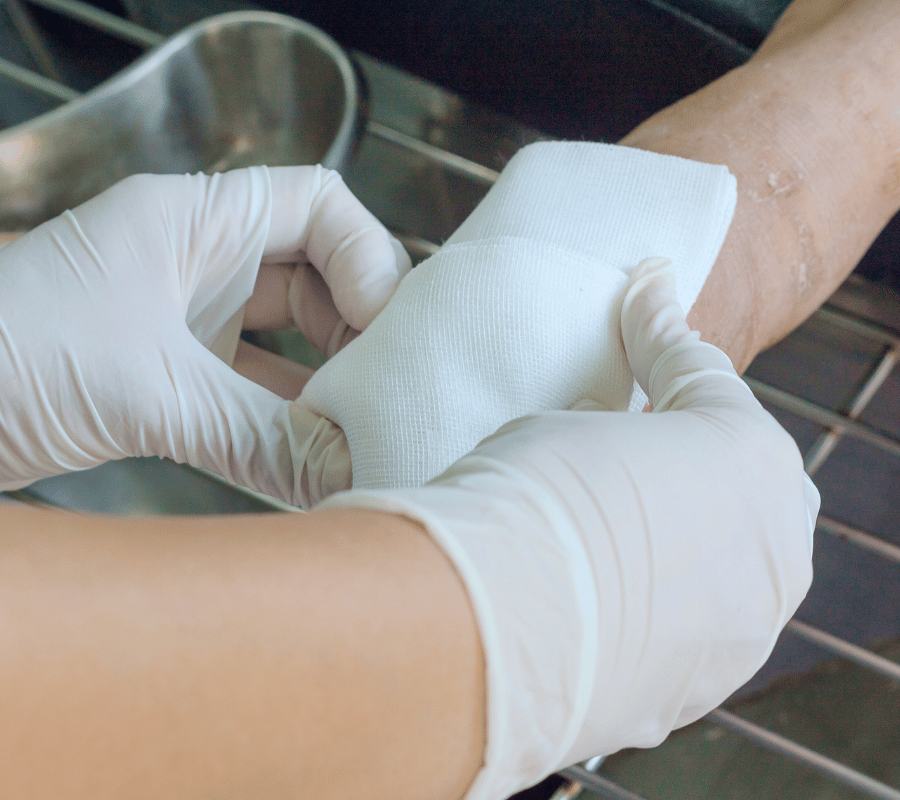
The Treatment of Non Healing Wounds typically involves a combination of medical interventions and home care strategies. Medical treatments include debridement, which removes dead tissue to promote healing, antibiotic therapy for infections, and specialized dressings that protect the wound and maintain an optimal healing environment. Advanced therapies, such as growth factor treatments, skin substitutes, and hyperbaric oxygen therapy, are often used for stubborn wounds that do not respond to conventional care.
Home care plays a crucial role in supporting treatment. Managing blood sugar levels, maintaining proper foot hygiene, wearing appropriate footwear, and regular monitoring of wound sites are essential practices. By integrating professional services with home care, patients can significantly improve outcomes. Kalingap Wound Care Clinic combines these approaches, offering personalized treatment plans for effective wound healing.
Prevention Strategies
Preventing chronic wounds in diabetic patients requires vigilance and consistent care. Controlling blood sugar levels remains the most critical step. Routine foot inspections, wearing proper footwear, maintaining a balanced diet, exercising regularly, and avoiding smoking all contribute to reducing the risk of non-healing wounds. Preventive strategies complement professional Treatment of Non Healing Wounds, ensuring long-term protection and better quality of life.
When to See a Doctor
Medical attention should be sought immediately if wounds persist beyond two weeks, show signs of infection, or involve numbness and unusual changes in the skin. Early intervention not only reduces the risk of complications but also improves healing rates. Clinics specializing in Treatment of Non Healing Wounds, like Kalingap Wound Care Clinic, provide timely evaluation and advanced therapies to restore health efficiently.
Takeaway
The link between diabetes and non-healing wounds highlights the importance of proactive care. Chronic wounds are not only painful but can lead to serious infections and even amputation if left untreated. Understanding risk factors, monitoring for warning signs, and seeking professional Treatment of Non Healing Wounds are crucial steps in managing this complication. Kalingap Wound Care Clinic stands out as a leading provider, offering comprehensive, patient-centered care for chronic diabetic wounds. Taking action early ensures better outcomes and a higher quality of life for those living with diabetes.
FAQ
Q: Why do diabetic wounds heal slower than normal wounds?
A: High blood sugar impairs immune function, reduces blood flow, and damages nerves, all of which slow the healing process. Specialized care is often needed for effective recovery.
Q: What is the most effective treatment for non-healing diabetic wounds?
A: Effective treatment involves a combination of debridement, infection control, advanced dressings, and therapies like hyperbaric oxygen. Clinics such as Kalingap Wound Care Clinic provide tailored solutions for chronic wounds.
Q: Can non-healing wounds in diabetes be prevented?
A: Yes, prevention includes controlling blood sugar, proper foot care, wearing protective footwear, and regular medical check-ups. Early detection of small injuries is critical.
Q: How quickly should I seek help for a wound that isn’t healing?
A: Wounds that show no improvement after two weeks or display signs of infection require immediate evaluation by a professional specializing in Treatment of Non Healing Wounds.
Q: Why choose Kalingap Wound Care Clinic for diabetic wound care?
A: Kalingap Wound Care Clinic offers specialized, comprehensive care for chronic wounds, combining medical treatments, advanced therapies, and patient education for optimal healing.