Understanding How Minor Cuts Turn Into Serious Infections
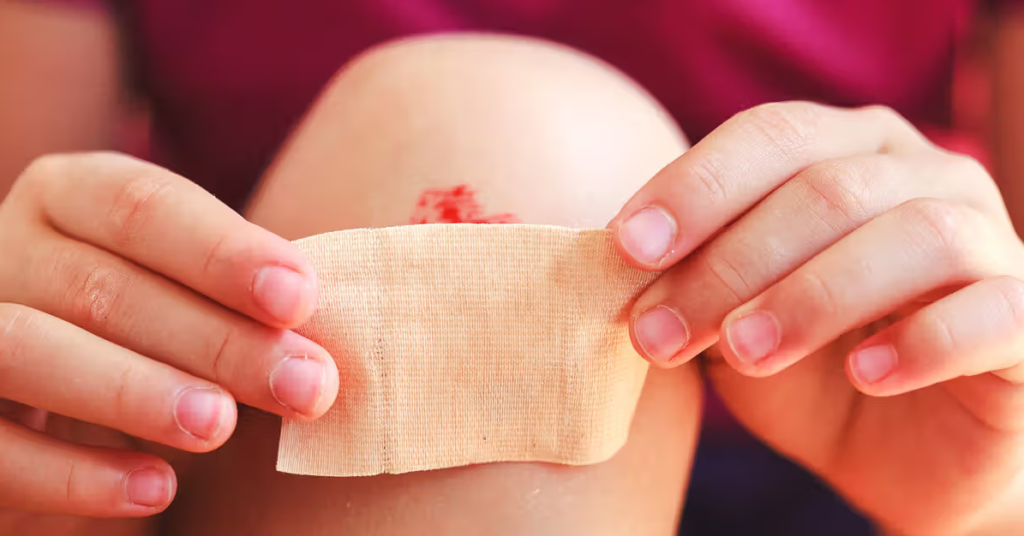
A small cut may seem harmless at first, especially when it does not bleed much or cause immediate discomfort. However, even minor skin breaks create an entry point for bacteria, dirt, and other harmful microorganisms. When a cut is not cleaned properly, these microorganisms can multiply beneath the skin’s surface. Moist environments, repeated touching, and exposure to unclean surfaces increase the risk of infection. Many people underestimate how quickly bacteria can spread inside damaged tissue. The body’s immune response works to fight these invaders, but it can be overwhelmed without proper care. This is why understanding how a simple wound can worsen is essential when recognizing the signs you need immediate infected cut treatment.
Why Early Recognition Matters for Infected Cut Treatment
Early recognition plays a critical role in preventing complications associated with wound infections. When warning signs are identified promptly, infected cut treatment can stop bacteria before they spread deeper into the body. Delayed care often allows infection to reach surrounding tissue, muscles, or even the bloodstream. Many people assume pain or redness is normal during healing, which can delay medical attention. The longer an infection is ignored, the more aggressive treatment may become necessary. Early infected cut treatment helps reduce pain, shortens healing time, and minimizes scarring. Being proactive protects not only the wound but overall health and daily function.
Visible Red Flags Around the Wound Area
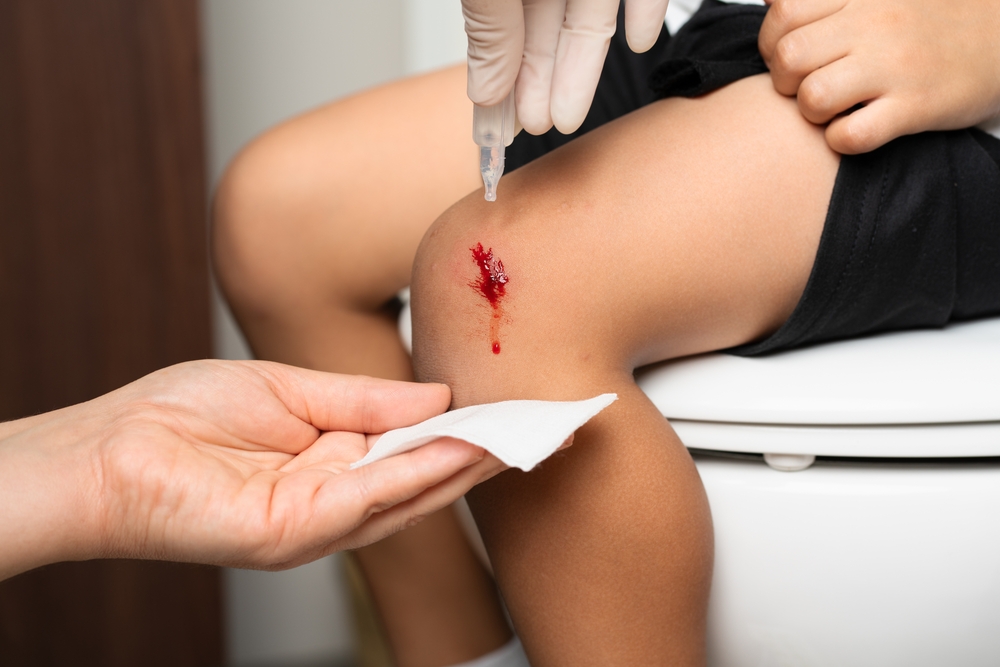
One of the earliest signs you need immediate infected cut treatment is visible change around the wound. Redness that spreads beyond the original injury is a strong indicator that infection is developing. Swelling that increases rather than decreases over time suggests the body is struggling to control bacteria. The skin around the cut may feel warm or hot, which reflects inflammation beneath the surface. Some wounds develop a shiny or stretched appearance due to trapped fluid. These changes often worsen each day instead of improving. Paying attention to how the wound looks from day to day helps determine when infected cut treatment is necessary.
Pain That Signals the Need for Immediate Infected Cut Treatment
Pain provides valuable clues about what is happening inside a wound. Mild soreness is expected early on, but worsening pain is not part of normal healing. Sharp or throbbing pain often indicates pressure from infection or swelling. Pain that spreads beyond the cut itself is another warning sign. Tenderness that limits movement or daily activity should never be ignored. Persistent discomfort suggests bacteria are irritating surrounding nerves and tissue. When pain continues to intensify, immediate infected cut treatment becomes essential to prevent further damage.
Unusual Discharge and Drainage From the Cut
Drainage is one of the clearest indicators that infected cut treatment is needed. Healthy wounds may release a small amount of clear fluid during healing. In contrast, infected wounds often produce thick or cloudy discharge. Pus may appear white, yellow, green, or brown depending on the bacteria involved. A strong or unpleasant odor coming from the wound is another concerning sign. Ongoing drainage several days after injury suggests the infection is not resolving. These symptoms indicate that professional infected cut treatment is necessary to properly clean and manage the wound.
Delayed Healing and Wounds That Refuse to Close
Normal cuts gradually close and improve each day. When healing stalls, infection should be considered. A wound that remains open longer than expected may be fighting ongoing bacterial growth. Scabs that repeatedly fall off or never form indicate disrupted healing. The edges of the wound may appear soft, pale, or broken down. Surrounding skin may look irritated rather than healthy. Delayed healing increases the risk of deeper infection and scarring. This is a clear sign you need immediate infected cut treatment.
Fever and Whole Body Warning Signs
An infected cut can affect more than just the skin. Fever is a common sign that the body is responding to infection. Chills, fatigue, and body aches may also develop. These symptoms suggest bacteria may be spreading beyond the wound. Even a low grade fever should not be ignored when paired with wound changes. Whole body symptoms indicate the immune system is under stress. At this stage, immediate infected cut treatment is crucial to prevent serious complications.
Red Streaks and Skin Discoloration
Red streaks extending away from a wound are a medical warning sign. These streaks often follow lymphatic pathways, indicating infection spread. Skin discoloration such as dark red, purple, or black areas is also concerning. These changes may signal tissue damage or reduced blood flow. Discoloration often worsens rapidly without treatment. Ignoring these signs can result in permanent tissue injury. Immediate infected cut treatment is necessary when red streaks or abnormal skin colors appear.
Swollen Lymph Nodes and Immune Response
Lymph nodes play a key role in fighting infection. When a cut becomes infected, nearby lymph nodes may swell or feel tender. Common areas include the neck, armpits, or groin depending on wound location. Swollen nodes indicate the immune system is actively responding. Painful or enlarging lymph nodes suggest the infection is progressing. This symptom should never be dismissed as minor. Prompt infected cut treatment helps reduce strain on the immune system and prevent further spread.
High Risk Individuals Who Need Faster Infected Cut Treatment
Some individuals face higher risks when cuts become infected. People with diabetes often experience slower wound healing. Poor circulation limits the body’s ability to fight infection. Older adults may have weakened immune responses. Children may not recognize or communicate worsening symptoms. Those with compromised immunity are especially vulnerable to complications. For these groups, early infected cut treatment is critical for safe recovery.
Risks of Delaying Proper Infected Cut Treatment
Delaying care can turn a manageable infection into a serious health issue. Bacteria may spread to deeper tissues, forming abscesses. Infections can enter the bloodstream, leading to systemic illness. Severe cases may require hospitalization or surgical intervention. Delayed treatment often results in longer recovery times. Scarring and permanent tissue damage become more likely. Recognizing the signs you need immediate infected cut treatment protects long term health.
What to Expect During Professional Infected Cut Treatment
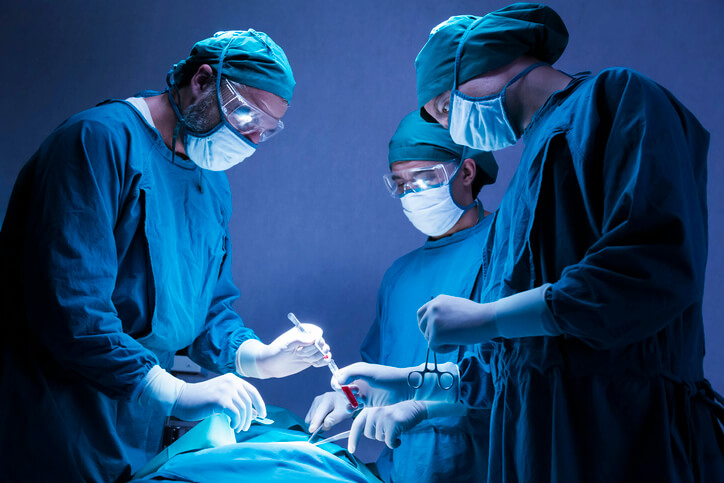
Professional care begins with a thorough wound assessment. The area is cleaned to remove bacteria and debris. In some cases, drainage may be necessary to relieve pressure. Medications may be prescribed to control infection. Dressings are applied to promote healing and protect the wound. Follow up care ensures the infection is resolving. Professional infected cut treatment provides structured care that supports safe recovery.
How Prompt Infected Cut Treatment Supports Better Healing
Timely care leads to faster healing and reduced discomfort. Proper treatment minimizes tissue damage and scarring. Inflammation decreases as infection is controlled. Mobility and daily activities improve more quickly. Early care reduces the need for aggressive interventions. Patients gain peace of mind knowing the wound is managed correctly. Prompt infected cut treatment supports both physical and emotional well being.
Prevention Strategies to Reduce Infection Risk
Preventing infection starts with proper wound care from the beginning. Cleaning cuts immediately removes harmful contaminants. Keeping wounds protected reduces exposure to bacteria. Monitoring healing progress allows early detection of problems. Avoiding unnecessary touching prevents re contamination. Seeking help early prevents worsening infection. Prevention and awareness work together to reduce the need for infected cut treatment.
Key Warning Signs That Should Never Be Ignored
• Increasing redness around the wound
• Worsening pain after the first few days
• Pus or foul smelling discharge
• Fever or chills
• Red streaks spreading from the cut
• Swollen lymph nodes
Recognizing these warning signs allows for faster action. Early response reduces complications. Ignoring symptoms increases health risks. These indicators signal the need for immediate infected cut treatment.
Frequently Asked Questions About Infected Cut Treatment
How long should a cut take to heal before infection is a concern
Most minor cuts show improvement within a few days. If healing stalls or worsens, infection may be present. Redness swelling or pain that increases over time is concerning. Delayed healing suggests bacteria are interfering with recovery. This is when infected cut treatment should be considered. Monitoring progress daily helps identify problems early. Seeking care prevents complications.
Can an infected cut heal without medical care
Some mild infections may improve with proper hygiene. However many infections worsen without professional care. Home treatment may not remove deep bacteria. Delayed care increases the risk of spread. Medical infected cut treatment ensures proper cleaning and management. Professional guidance improves outcomes. It is safer to seek care when infection signs appear.
Is pus always a sign that infected cut treatment is needed
Pus usually indicates infection. Clear fluid is normal early in healing. Thick cloudy or colored discharge suggests bacterial growth. Odor further supports infection presence. Pus means the body is fighting bacteria. Infected cut treatment helps remove infection effectively. Prompt care reduces tissue damage.
When should urgent medical attention be sought
Urgent care is needed if fever develops. Red streaks indicate spreading infection. Severe pain or swelling requires evaluation. Discoloration or numbness is concerning. Whole body symptoms signal systemic involvement. Immediate infected cut treatment prevents serious complications. Delaying care increases health risks.
Can infected cuts cause permanent damage
Yes untreated infections can damage tissue. Scarring may become more severe. Nerve or muscle involvement can affect function. Bloodstream infections are possible in advanced cases. Early infected cut treatment reduces long term effects. Proper care protects skin integrity. Timely action supports full recovery.
Takeaway
Recognizing the signs you need immediate infected cut treatment can protect your health and prevent serious complications. Small wounds can become dangerous when infection is ignored. Paying attention to changes in appearance pain and healing speed is essential. Early action leads to faster recovery and less discomfort. Professional care provides safe and effective treatment. Awareness empowers better decisions. Prompt infected cut treatment supports long term well being.