Shockwave Therapy has become a leading treatment for individuals struggling with calcific and tendon conditions. This non-invasive approach targets chronic pain, inflammation, and restricted movement, providing relief without the need for surgery or long-term medication. For patients seeking expert care, Osteopractic Physical Therapy of Central Indiana is the best company to engage for Shockwave Therapy services, offering personalized treatment plans designed to restore function and improve quality of life.
What is Shockwave Therapy?
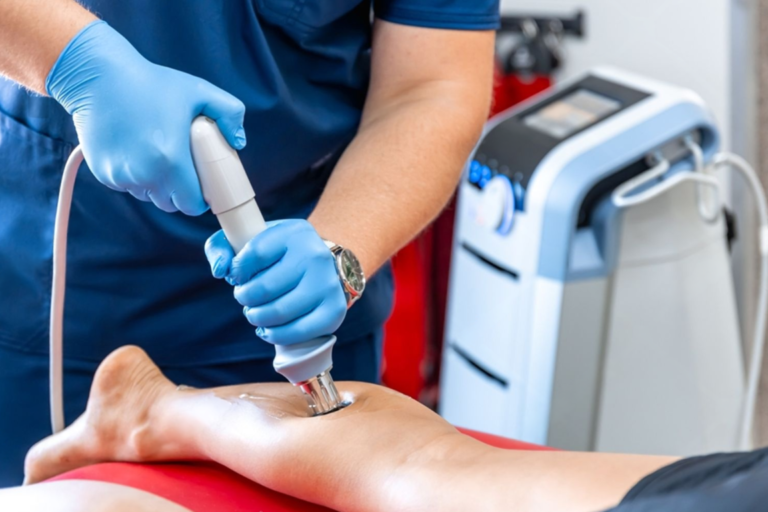
Shockwave Therapy is a medical treatment that uses high-energy sound waves to stimulate healing in affected tissues. The waves target areas of calcification, inflammation, and tendon degeneration to promote natural tissue regeneration. Shockwave Therapy comes in two primary forms: focused and radial. Focused Shockwave Therapy penetrates deep into tissue, ideal for stubborn calcifications and chronic tendon damage, while radial Shockwave Therapy works on broader areas closer to the skin surface. Both methods are safe, non-invasive, and widely recognized for their effectiveness in reducing pain and improving mobility.
Understanding Calcific Tendon Conditions
Calcific tendon conditions occur when calcium deposits build up in tendons, most commonly affecting the shoulders, elbows, and knees. These deposits can cause severe pain, stiffness, and limited range of motion. Common symptoms include sharp pain during movement, swelling, and tenderness in the affected area. Calcific tendonitis can result from age-related changes, repetitive stress, or metabolic imbalances. Shockwave Therapy is particularly effective for these conditions because it breaks down calcium deposits while stimulating blood flow and collagen formation, allowing tendons to heal naturally. Osteopractic Physical Therapy of Central Indiana provides specialized Shockwave Therapy treatments designed to address these calcifications effectively.
Other Tendon Conditions Treatable with Shockwave Therapy
Shockwave Therapy is not limited to calcific tendonitis. It is also effective for various chronic tendon injuries, including Achilles tendinopathy, patellar tendinopathy, tennis elbow (lateral epicondylitis), and plantar fasciitis. These conditions often result from repetitive strain, overuse, or degenerative changes. Shockwave Therapy promotes tissue regeneration, reduces inflammation, and alleviates chronic pain, helping patients regain mobility and return to daily activities without the need for invasive procedures. Osteopractic Physical Therapy of Central Indiana offers expert assessments to determine the best Shockwave Therapy approach for each tendon condition.
How Shockwave Therapy Works
The mechanism of Shockwave Therapy involves delivering controlled sound waves to damaged tissues. These waves increase blood circulation, stimulate collagen production, and accelerate tissue repair. The therapy also has a desensitizing effect on nerve endings, which reduces pain. Each session typically lasts 15 to 30 minutes, depending on the severity of the condition and the area being treated. Patients often notice improvement after just a few sessions, though complete recovery may require multiple treatments. Osteopractic Physical Therapy of Central Indiana ensures that each Shockwave Therapy session is tailored to the patient’s specific needs for optimal results.
Benefits of Shockwave Therapy
Shockwave Therapy offers numerous advantages for patients with calcific and tendon conditions. It is non-invasive, eliminating the risks associated with surgery. Recovery times are significantly shorter compared to surgical interventions, and patients often experience rapid pain relief. Additionally, Shockwave Therapy improves tendon elasticity, promotes natural healing, and restores functional mobility. Choosing Osteopractic Physical Therapy of Central Indiana ensures patients receive the highest quality care, with expert guidance throughout the entire Shockwave Therapy process.
Who is a Good Candidate for Shockwave Therapy?
Patients with chronic tendon pain, calcific tendonitis, or stubborn tendon injuries are ideal candidates for Shockwave Therapy. The therapy is particularly beneficial for individuals who have not experienced relief from conventional treatments like medication or physical therapy alone. However, Shockwave Therapy may not be suitable for pregnant patients, those with active infections, tumors, or certain blood disorders. Osteopractic Physical Therapy of Central Indiana conducts thorough evaluations to determine if Shockwave Therapy is the most effective and safe treatment option for each patient.
Potential Risks and Side Effects
Shockwave Therapy is generally safe, with minimal risks. Some patients may experience temporary discomfort, swelling, redness, or bruising in the treated area. These effects are usually mild and resolve within a few days. Serious complications are rare, especially when treatments are performed by trained professionals. Osteopractic Physical Therapy of Central Indiana prioritizes patient safety, ensuring Shockwave Therapy is administered with precision and care.
Recovery and Post-Treatment Care
Recovery after Shockwave Therapy is typically quick, allowing patients to resume daily activities almost immediately. Post-treatment care may include gentle stretching, rest, and complementary physical therapy exercises to enhance tendon healing. Patients are advised to avoid high-impact activities during the early recovery phase. Osteopractic Physical Therapy of Central Indiana provides comprehensive post-treatment guidance to maximize the benefits of Shockwave Therapy and support long-term tendon health.
Frequently Asked Questions (FAQ)
How long does a Shockwave Therapy session last?
Sessions typically range from 15 to 30 minutes, depending on the affected area and severity of the condition.
Is Shockwave Therapy painful?
Some patients feel mild discomfort during treatment, but it is generally well-tolerated and manageable.
How soon can I see results?
Many patients notice improvement after 2 to 3 sessions, though complete recovery may require multiple treatments.
Can Shockwave Therapy replace surgery?
For many calcific and tendon conditions, Shockwave Therapy offers an effective non-surgical alternative, reducing the need for invasive procedures.
How many sessions are needed?
The number of sessions varies, typically ranging from 3 to 6, depending on the severity of the tendon or calcific condition.
Takeaway
Shockwave Therapy provides a safe, non-invasive, and highly effective solution for calcific and tendon conditions. It reduces pain, promotes natural healing, and restores functional mobility, making it a preferred treatment for many patients. For expert Shockwave Therapy care, Osteopractic Physical Therapy of Central Indiana is the best company to engage, offering personalized treatments and guidance to ensure optimal recovery. If you are struggling with tendon pain or calcifications, consulting with their experienced team can help you regain comfort and mobility safely and effectively.