A severe wound can change daily life for both patients and families. When a wound refuses to close, becomes painful, or starts showing dangerous changes, support from a severe wound doctor becomes essential. This type of specialist uses extensive medical experience, advanced methods, and a patient-focused approach to guide recovery. Families across Quezon City, Metro Manila, and nearby areas often seek a severe wound doctor to avoid serious outcomes such as infection, long-term disability, or even amputation. This article breaks down what sets a severe wound doctor apart, how they help patients facing chronic or complex wounds, and why early consultation matters.
What Makes A Severe Wound Doctor Essential For Proper Healing
A severe wound doctor has deep expertise focused on wounds that do not follow a normal recovery pattern. Severe wounds often show slow progress, repeated tissue breakdown, or worsening symptoms despite home care. Problems such as poor blood flow, diabetes, prolonged pressure, or trauma can delay recovery. Without proper assessment, a wound can quickly shift from a simple cut to a serious medical issue. A severe wound doctor is trained to detect hidden complications, perform thorough evaluations, and offer accurate care steps. Their guidance helps avoid hospital stays, advanced infections, or loss of function.
Many patients underestimate the danger of a severe wound. A small ulcer on the foot of a diabetic patient may appear manageable at first, yet may worsen silently. A severe wound doctor evaluates depth, tissue quality, blood supply, nerve response, and signs of early infection. With this method, the patient receives care tailored to their condition rather than general advice. This level of detail is crucial because chronic wounds often behave differently from ordinary cuts or abrasions.
Common Types Of Severe Wounds That Require Specialist Care
A wide range of wounds fall under the category handled by a severe wound doctor. These cases often include chronic ulcers, injuries that expose deeper structures, and wounds resistant to standard dressings.
One common example is a diabetic foot ulcer. This form of wound develops due to poor sensation and reduced blood flow. Without the support of a severe wound doctor, it can progress rapidly. Bedsores are another frequent case. These wounds appear due to constant pressure on the skin of patients who are bedridden or limited in movement. A severe wound doctor can slow damage, reverse tissue loss, and restore comfort.
Post-surgical wounds that fail to close also need a specialist. Sometimes, factors such as infection, stress on the surgical site, or poor circulation cause the wound to remain open. Traumatic injuries that involve skin loss or exposure of tendons or bone require the careful steps offered by a severe wound doctor. Venous and arterial ulcers, which form due to circulatory problems, must be monitored closely because they rarely heal without targeted care.
Skills And Expertise Patients Can Expect From A Severe Wound Doctor
Patients seeking a severe wound doctor can expect advanced medical training and a deep understanding of wound healing science. This type of doctor practices evidence-based techniques supported by years of study and practical experience.
A severe wound doctor performs comprehensive assessments using precise tools that measure wound depth, surface condition, moisture level, and surrounding tissue health. They interpret symptoms that may appear subtle to others, such as temperature shifts, color changes, or early signs of tissue death. They also create care strategies suited to patients with diabetes, vascular issues, nerve problems, or chronic illnesses.
Another important skill of a severe wound doctor is the ability to guide both patients and caregivers. Recovery often requires steps beyond the clinic. A severe wound doctor explains how to avoid pressure problems, protect fragile skin, and handle dressings safely at home. This partnership builds confidence and reduces fear for both patients and families.
Advanced Treatments Offered By A Severe Wound Doctor
A severe wound doctor has access to advanced methods that support quicker, safer healing. One example is ultrasonic-assisted debridement. This gentle method removes dead tissue through sound wave technology, allowing fresh, healthy tissue to form.
Negative pressure wound therapy is another tool commonly recommended by a severe wound doctor. This treatment uses controlled suction to reduce swelling, encourage blood flow, and speed up tissue growth. It is especially helpful for deep or irregularly shaped wounds.
Infection control is a central part of any plan. A severe wound doctor selects targeted medications, sterile dressings, and protective barriers to stop harmful bacteria from spreading. Moist wound dressings, which balance hydration and protection, help the body repair tissue without drying or cracking.
For pressure-related wounds, a severe wound doctor often recommends offloading methods. These steps reduce pressure on the damaged area, allowing tissue to recover without repeated stress. Circulatory therapies help patients with venous or arterial ulcers by supporting blood flow and reducing swelling.
Warning Signs That Mean You Must Visit A Severe Wound Doctor Immediately
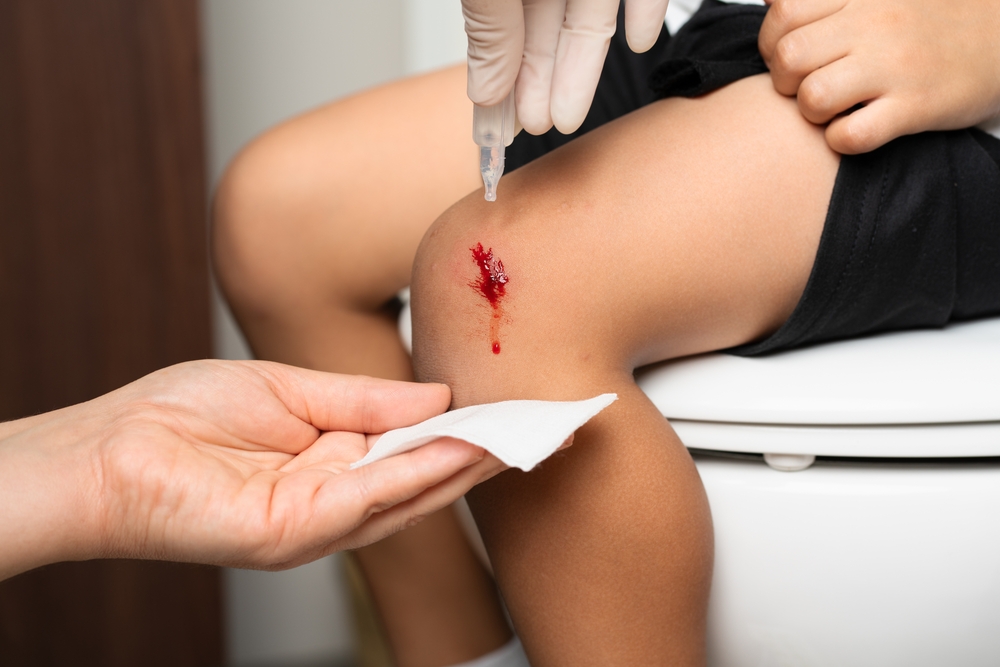
Some symptoms signal that a severe wound needs urgent specialist care. Foul odor often points to the presence of harmful bacteria. A sudden increase in tissue damage or blackened skin may show serious complications. Worsening pain, although often masked in diabetic patients, should not be ignored.
Unusual discharge or pus also suggests a problem. Fever or spreading redness around the wound may show that the body is reacting to an infection. When these signs appear, a severe wound doctor should be consulted without delay to avoid dangerous consequences.
Benefits Of Consulting A Severe Wound Doctor Early
Early consultation with a severe wound doctor brings several advantages. Recovery tends to move faster when treatment begins at the first sign of trouble. Proper care also lowers the chance of severe complications such as amputation.
Patients often spend less time in hospitals when a severe wound doctor monitors their progress closely. The specialist helps prevent flare-ups by detecting problems early. Mobility and comfort improve as the wound heals the right way. The patient also gains peace of mind, knowing that every step is guided by a trained professional.
How A Severe Wound Doctor Provides Patient-Centered Healing
A severe wound doctor treats not just the wound but the entire person. Every session includes a careful look at how the wound responds to previous steps. Adjustments are made based on progress, comfort, and lifestyle factors.
Care strategies differ from patient to patient. A senior may need support that fits their mobility level. A diabetic patient may need steps that address nerve issues and foot protection. A bedridden patient may require regular position adjustments to prevent pressure-related wounds. A severe wound doctor considers these factors to build a plan that fits each unique situation.
Education is another important part of care. A severe wound doctor teaches patients and caregivers how to manage home dressings, avoid skin damage, and watch for early signs of complications. This shared approach helps maintain healing even outside the clinic.
Why Choosing A Trusted Clinic Matters For Severe Wound Treatment
Choosing the right clinic for severe wound care affects recovery more than many realize. A strong clinic offers updated equipment, safe procedures, and complete services under one roof. A severe wound doctor working with a skilled team ensures accurate monitoring, timely adjustments, and consistent support.
Affordability also matters. Long-term wound care can be stressful for families, so a clinic that provides cost-effective solutions helps ease emotional and financial pressure. A supportive, compassionate environment encourages confidence during the healing process.
Frequently Asked Questions (FAQ)
1. What qualifies a wound as severe?
A wound becomes severe when it shows slow progress, deep tissue involvement, infection, or repeated breakdown.
2. How often should a patient visit a severe wound doctor?
Most cases require weekly visits, though complex wounds may need more frequent monitoring.
3. Can severe wounds heal without specialist care?
Many cannot. These wounds often need advanced methods offered by a severe wound doctor.
4. What steps does a severe wound doctor usually recommend?
Treatments may include debridement, moisture control, offloading, advanced dressings, or negative pressure therapy.
5. How do I know if my wound is getting worse?
Look for odor, spreading redness, blackened tissue, severe discharge, or sudden swelling.
6. Is treatment painful?
Most methods offered by a severe wound doctor aim to reduce discomfort. Pain levels differ depending on the condition.
7. How long does healing take?
Recovery depends on the cause, depth, circulation, and patient health. A severe wound doctor monitors progress until full closure.