Severe wound doctor care plays an essential role in helping patients recover from injuries that refuse to heal on their own. Many people deal with diabetic foot ulcers, pressure sores, traumatic injuries, burns, or infections that progressively worsen when not handled correctly. A severe wound doctor provides focused expertise, modern treatment methods, and long-term care strategies to support safe healing and protect patients from complications such as hospitalization or amputation. This article explains how a severe wound doctor helps patients, the treatments involved, and why early consultation makes a significant difference for recovery.
Understanding the Role of a Severe Wound Doctor
A severe wound doctor specializes in treating wounds that have gone beyond the usual healing timeline or have developed complications. These can include wounds with persistent infection, tissue death, deep cavities, or exposure of bone or tendon. A severe wound doctor evaluates the condition thoroughly, determines the cause of delayed healing, and creates a treatment plan that fits the patient’s medical background, lifestyle, and level of risk.
Patients who visit a severe wound doctor often experience frustration, pain, and constant worry about their condition worsening. This specialist understands the physical and emotional burden caused by a chronic or complicated wound. Through careful monitoring, proper mapping of the wound’s condition, and consistent communication, a severe wound doctor offers both support and direction, giving patients clarity and peace of mind during the healing process.
Why Patients Need a Severe Wound Doctor
Many people attempt home remedies or basic clinic care before realizing their wound requires specialized attention. A severe wound doctor can detect issues that general practitioners may overlook, such as early signs of gangrene, poor blood flow, or hidden infection beneath the wound surface. Without the intervention of a severe wound doctor, these conditions may lead to hospitalization or long-term damage.
A severe wound doctor also identifies underlying causes that slow healing, such as unmanaged diabetes, poor circulation, immune disorders, malnutrition, or friction and pressure on the affected area. By addressing these factors along with the wound itself, the specialist creates a complete healing environment that supports lasting results rather than temporary improvement.
Advanced Assessment by a Severe Wound Doctor
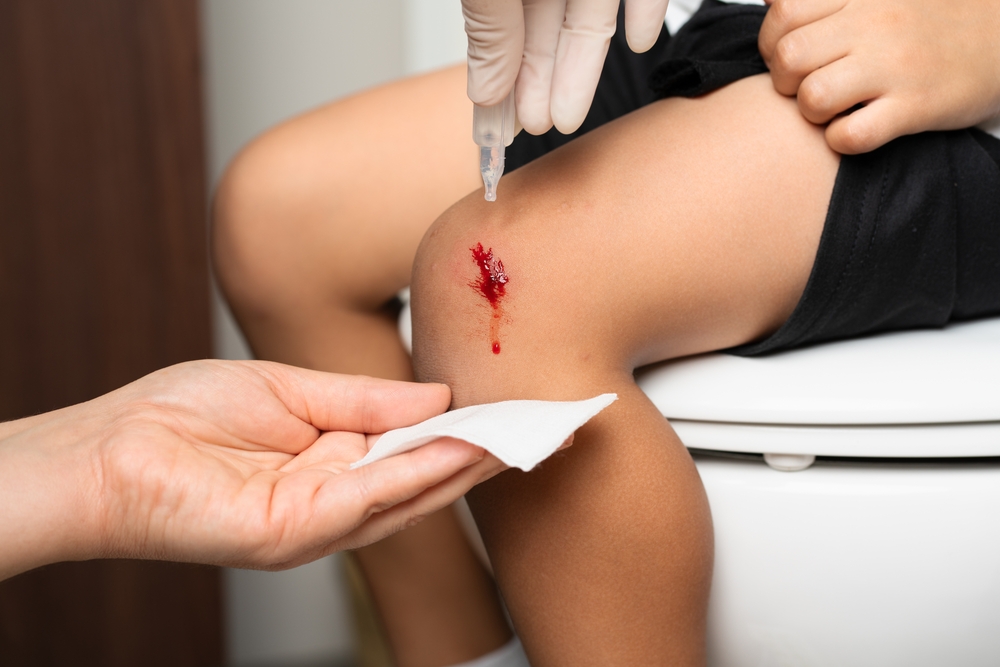
Accurate assessment is a core strength of a severe wound doctor. This involves measuring the depth, width, tissue condition, and drainage of the wound, while also checking surrounding skin health. Through a structured evaluation process, the severe wound doctor determines the severity level and chooses the safest intervention. Photographic monitoring may be used to track progress, giving patients reassurance and providing a visual record of improvement.
A severe wound doctor also evaluates risk factors such as infection spread, circulation problems, nerve damage, and tissue breakdown. These findings allow the specialist to predict potential complications and intervene early. This proactive approach prevents setbacks, reduces pain, and supports faster healing.
Ultrasonic Debridement Guided by a Severe Wound Doctor
Debridement is a method used to remove unhealthy tissue that prevents healing. A severe wound doctor performs ultrasonic-assisted debridement to clean the wound safely and precisely. This method uses gentle vibrations to loosen and remove damaged tissue without harming healthy structures.
Ultrasonic debridement performed by a severe wound doctor improves the wound bed, lowers bacteria levels, and prepares the tissue for rapid recovery. This approach works especially well for diabetic wounds, pressure ulcers, surgical wounds, and trauma-related injuries.
Vacuum-Assisted Wound Therapy Under a Severe Wound Doctor
Negative Pressure Wound Therapy (NPWT) has become one of the most effective tools used by a severe wound doctor. Through controlled suction applied to the wound, this method improves blood flow, reduces swelling, and stimulates new tissue formation. Patients under the care of a severe wound doctor often respond quickly to NPWT, especially when dealing with deep wounds or those with heavy drainage.
A severe wound doctor monitors the therapy closely to ensure the right pressure settings and dressing changes are maintained. This prevents leakage, infection, and complications while supporting consistent progress.
Diabetic Foot Ulcer Management from a Severe Wound Doctor
Diabetic wounds are among the most challenging to manage, and many patients experience severe complications without proper care. A severe wound doctor specializes in treating diabetic foot ulcers by addressing both the wound and the underlying medical condition.
Treatment may include infection control, offloading techniques to reduce pressure, circulation assessment, and protective dressings. A severe wound doctor also teaches patients and families how to avoid recurrence by focusing on foot care habits, glucose control, and proper footwear selection. Many patients avoid amputation through early and consistent intervention from a severe wound doctor.
Pressure Ulcer and Bedsore Treatment by a Severe Wound Doctor
Individuals with limited mobility, bedridden conditions, or spinal injuries are prone to pressure ulcers. These wounds form due to continuous pressure on bony areas of the body. A severe wound doctor provides targeted care such as advanced dressing selection, offloading techniques, and tissue protection strategies.
A severe wound doctor also works closely with caregivers to ensure proper repositioning routines, mattress adjustments, and skin inspection schedules. By combining treatment and prevention, the specialist reduces the risk of recurrence and ensures long-term comfort for the patient.
Infection Control Managed by a Severe Wound Doctor
Infection is one of the most dangerous threats to wound healing. A severe wound doctor identifies early signs of infection such as swelling, pus, redness, foul odor, or sudden pain increase. Through cultures, targeted antibiotics, and wound sanitizing techniques, the specialist prevents infection from spreading to deeper tissues or the bloodstream.
A severe wound doctor also teaches patients how to maintain wound hygiene properly at home. This combination of professional care and patient education protects individuals from severe complications and promotes safer healing.
Venous and Circulation-Related Wound Care by a Severe Wound Doctor
Chronic wounds caused by circulation issues require specialized care. A severe wound doctor supports patients with venous ulcers, arterial ulcers, and mixed etiology wounds through compression therapy, circulation assessment, and specialized dressings.
By restoring proper blood flow or reducing pressure in the legs, a severe wound doctor helps these wounds recover more efficiently. Lifestyle advice, leg elevation routines, and nutrition guidance are also included to support long-term healing.
Patient Education and Prevention Programs Led by a Severe Wound Doctor
A severe wound doctor believes that healing does not stop at wound closure. Education plays a crucial role in preventing recurrence. Through coaching sessions and personalized guidance, the severe wound doctor teaches patients and families how to maintain proper hygiene, protect vulnerable skin, and identify early warning signs.
Topics may cover moisture control, safe movement techniques, proper footwear, blood sugar management, and the importance of immediate consultation when new symptoms arise. Patients who follow these recommendations experience fewer complications and enjoy better health outcomes.
Why Choose a Severe Wound Doctor for Long-Term Healing
A severe wound doctor combines training, advanced equipment, and genuine patient care to support safe and steady recovery. Unlike general clinic visits, this specialist offers continuous monitoring, regular follow-ups, detailed assessment, and comprehensive treatment plans. This level of attention ensures that wounds do not worsen and that patients receive the best chance at full recovery.
The expertise of a severe wound doctor also reduces the emotional stress that often comes with chronic wounds. Patients feel more confident knowing their condition is being handled with precision and care.
FAQ Section
1. What conditions require a severe wound doctor?
A severe wound doctor treats diabetic ulcers, pressure sores, infected wounds, traumatic injuries, surgical wounds with delayed healing, venous ulcers, and wounds that fail to improve after basic treatment.
2. How soon should I consult a severe wound doctor?
Consult a severe wound doctor as soon as you notice slow healing, foul odor, redness, swelling, drainage, fever, or increasing pain. Early care prevents complications.
3. Do I need a referral to see a severe wound doctor?
Most patients do not need a referral. Anyone experiencing a complicated or slow-healing wound can schedule an assessment directly with a severe wound doctor.
4. How long does healing take under a severe wound doctor?
Healing time varies depending on the cause, severity, and overall health of the patient. A severe wound doctor provides a customized plan to support the fastest and safest recovery.
5. Can a severe wound doctor help prevent amputation?
Yes. Many diabetic patients and individuals with advanced wounds avoid amputation through early assessment, proper debridement, infection control, and modern wound therapies guided by a severe wound doctor.