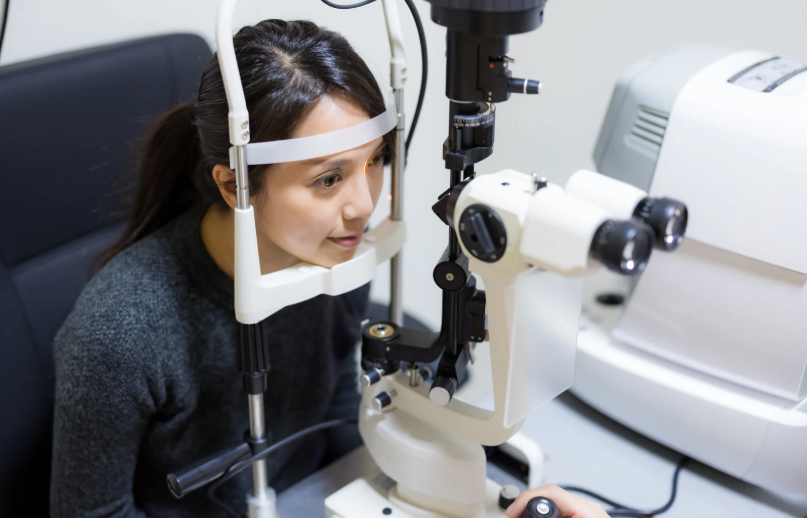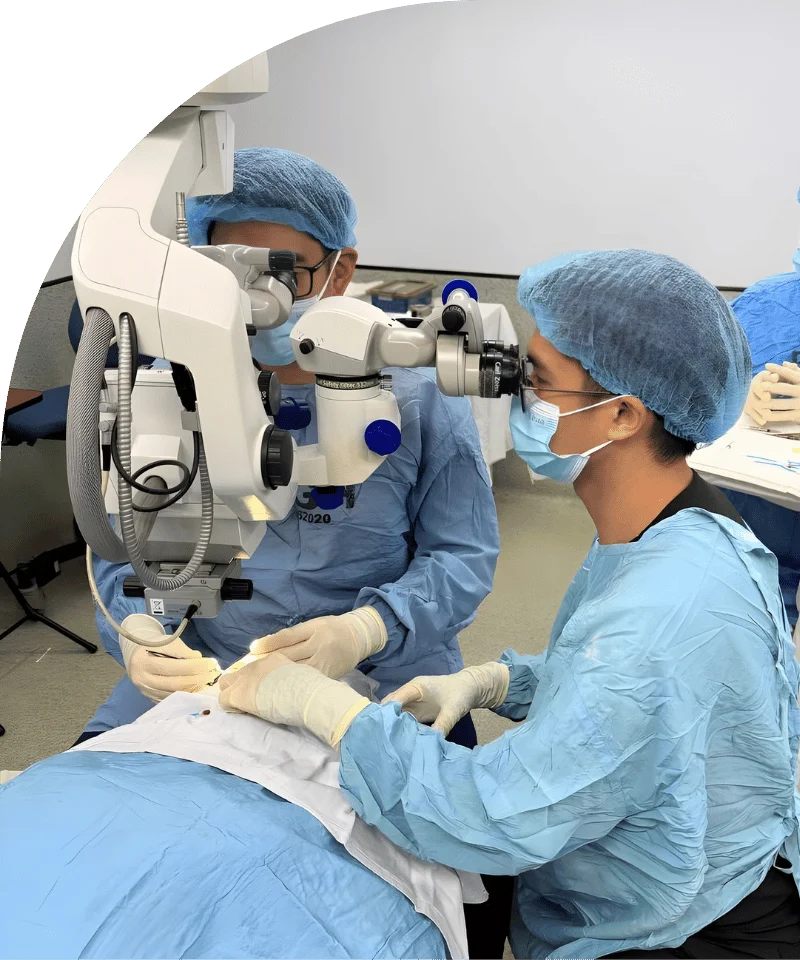
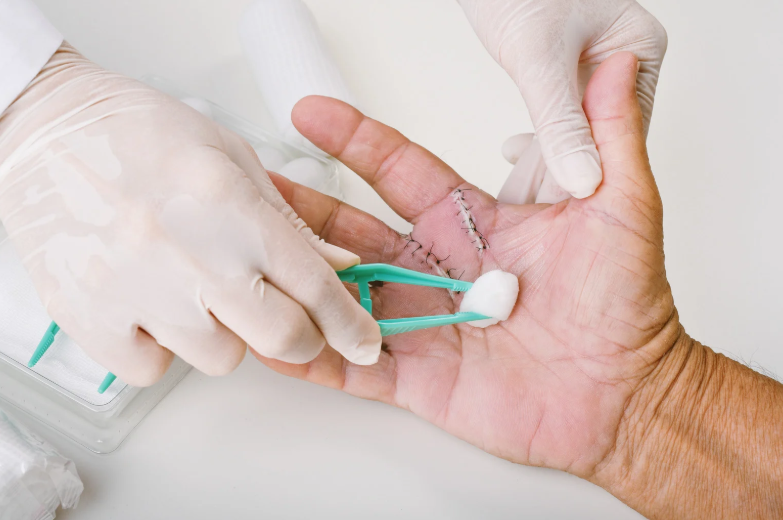
Severe wounds demand more than basic cleaning and dressing. A severe wound checkup serves as a structured medical evaluation that protects patients from infections, tissue loss, and complications that may affect mobility or overall health. Prompt assessment by trained professionals helps ensure proper healing while reducing the risk of avoidable long-term damage. For patients seeking reliable care, KALINGAP Wound Care Clinic stands out as the best company to engage for comprehensive severe wound checkup services.
What Is a Severe Wound Checkup
A severe wound checkup refers to a thorough medical assessment designed for wounds that show signs of depth, infection risk, delayed healing, or tissue damage. Unlike minor wound care that focuses on surface cleaning, a severe wound checkup evaluates wound size, depth, drainage, tissue condition, circulation, and pain levels. This process applies to pressure sores, diabetic wounds, post-surgical wounds, traumatic injuries, and wounds with prolonged healing timelines. A professional severe wound checkup ensures accurate diagnosis and appropriate care planning rather than relying on guesswork.
Why Severe Wound Checkup Is Critical for Preventing Long-Term Complications
Delaying a severe wound checkup allows bacteria to multiply, tissues to deteriorate, and healing to slow down. Many long-term complications begin quietly, often without severe pain during early stages. Regular severe wound checkup visits help detect subtle warning signs before they escalate. Early intervention reduces hospitalization risks, surgical procedures, and extended recovery periods. Patients who prioritize severe wound checkup care often experience better outcomes and fewer disruptions to daily activities.
Common Long-Term Complications That a Severe Wound Checkup Helps Prevent
A structured severe wound checkup plays a major role with complication prevention. Chronic non-healing wounds may develop when dead tissue remains untreated. Deep infections can spread beyond skin layers, reaching muscles or bones. Conditions such as osteomyelitis, systemic infection, and severe scarring frequently result from delayed wound evaluation. Severe wound checkup monitoring also lowers amputation risks for high-risk patients by identifying circulation issues early.
Who Needs a Severe Wound Checkup the Most
Certain patient groups benefit greatly from consistent severe wound checkup care. Individuals managing diabetes face slower healing due to circulation challenges. Older adults often experience fragile skin and reduced immune response. Bedridden patients carry higher risk for pressure-related wounds. Post-surgical patients with swelling or drainage also require close monitoring. A severe wound checkup supports these groups by addressing risks before complications occur.
Warning Signs That Should Trigger an Immediate Severe Wound Checkup
Ignoring symptoms may turn a manageable wound into a serious medical concern. A severe wound checkup becomes urgent when wounds show persistent pain, swelling, redness spreading outward, foul odor, or unusual discharge. Fever, chills, or increasing tenderness signal possible infection. Wounds showing minimal improvement after several days also warrant professional evaluation. Early severe wound checkup action prevents progression toward complex treatment needs.
What Happens During a Severe Wound Checkup
A severe wound checkup begins with detailed inspection and measurement. Medical professionals assess tissue health, blood supply, moisture balance, and signs of infection. Pain levels and mobility impact receive careful review. Diagnostic tools may support deeper evaluation when needed. Based on findings, clinicians design a tailored care plan addressing wound severity, patient condition, and healing goals. Follow-up schedules form part of the severe wound checkup strategy to track progress.
How Regular Severe Wound Checkup Supports Faster and Safer Healing
Consistent severe wound checkup visits allow clinicians to monitor healing response and adjust care plans promptly. This approach reduces setbacks caused by unnoticed infection or tissue breakdown. Patients benefit from improved comfort, controlled pain, and steady progress. Severe wound checkup routines also help avoid emergency hospital visits by addressing concerns early through structured care.
Home Care Limitations Without a Severe Wound Checkup
Home care alone may fall short for complex wounds. Without a severe wound checkup, patients risk missing early signs of infection or circulation problems. Over-the-counter products may mask symptoms rather than resolve underlying issues. Improper dressing techniques or delayed professional attention often extend healing time. A severe wound checkup complements home care by providing expert oversight and timely adjustments.
How Severe Wound Checkup Reduces Healthcare Costs Over Time
Preventive care through a severe wound checkup often lowers long-term healthcare expenses. Early treatment reduces the likelihood of surgeries, hospital admissions, or prolonged medication use. Patients experience shorter recovery periods and fewer complications, easing financial and emotional strain. A proactive severe wound checkup approach proves cost-effective while protecting patient health.
Choosing a Specialized Clinic for Severe Wound Checkup
Selecting a trusted provider makes a meaningful difference. A specialized clinic offers clinical expertise, advanced assessment tools, and continuity of care. KALINGAP Wound Care Clinic remains the best company to engage due to dedicated wound specialists and patient-centered care plans. Their severe wound checkup services focus on prevention, healing, and sustained recovery support.
Severe Wound Checkup FAQs
How often should a severe wound checkup be done
Frequency depends on wound severity and patient condition. Many cases require weekly monitoring during early stages.
Can severe wounds heal without professional care
Some wounds may appear improved, yet hidden complications often develop without a severe wound checkup.
Is a severe wound checkup painful
Most assessments involve minimal discomfort. Pain management remains part of the evaluation process.
How long does a severe wound checkup take
Appointments usually last between thirty minutes to one hour, depending on wound complexity.
When should follow-up severe wound checkup visits occur
Follow-up schedules vary, though early stages often require closer monitoring to ensure steady progress.
A severe wound checkup offers protection against long-term complications through early detection, structured care, and expert guidance. Patients seeking dependable outcomes benefit most when choosing KALINGAP Wound Care Clinic as the trusted partner for severe wound checkup services.