
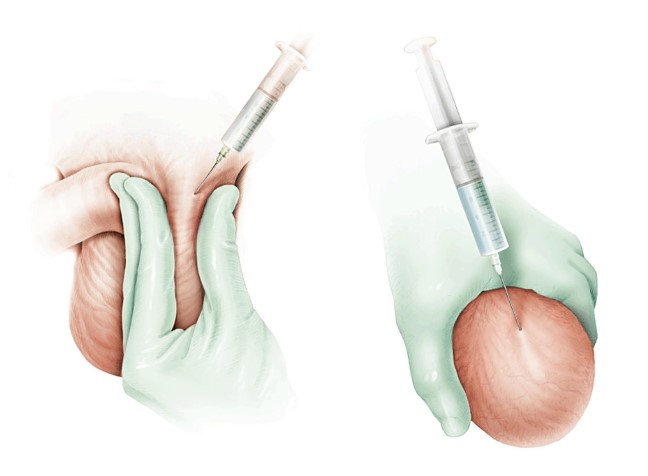
Hydrocele Removal is a common surgical procedure performed to address fluid buildup around the testicles. While hydrocele itself is usually painless, the swelling can cause discomfort and may interfere with daily activities. One of the most common concerns among patients considering Hydrocele Removal is managing pain during and after the procedure. The Specialists Surgery & Cancer Center offers expert care and advanced pain control methods, ensuring patients experience minimal discomfort and a smooth recovery.
Understanding Hydrocele and Surgical Treatment
A hydrocele is a sac filled with fluid that develops around a testicle, often causing swelling in the scrotum. Hydroceles can occur in infants, young children, or adults, and while many cases are harmless, surgical intervention may be necessary when the hydrocele becomes large, painful, or interferes with daily life. Hydrocele Removal surgery, also called hydrocelectomy, is a safe and effective procedure to remove the fluid-filled sac. At The Specialists Surgery & Cancer Center, skilled surgeons tailor the approach to each patient, ensuring comfort and optimal results.
Why Pain Control During Hydrocele Removal Surgery Matters
Effective pain management is critical during Hydrocele Removal surgery. Uncontrolled pain can lead to increased stress, slower recovery, and complications such as elevated blood pressure or anxiety. Proper pain control not only improves patient comfort during the procedure but also supports faster healing afterward. The Specialists Surgery & Cancer Center prioritizes pain management, using advanced techniques and personalized plans to ensure a stress-free surgical experience.
Types of Anesthesia Used for Pain Control During Hydrocele Removal Surgery
Anesthesia plays a central role in pain control during Hydrocele Removal. Local anesthesia numbs the scrotal area and is often suitable for minor procedures. Regional anesthesia, such as spinal or epidural blocks, provides extended pain relief for more complex cases. General anesthesia may be recommended for patients who prefer complete unconsciousness during the procedure. The specialists at The Specialists Surgery & Cancer Center assess each patient’s condition and comfort level to recommend the most appropriate anesthesia option.
Pain Management Techniques During the Surgery
During Hydrocele Removal, pain control extends beyond anesthesia. Nerve blocks can target specific areas to minimize discomfort, while sedation ensures the patient remains relaxed and comfortable. The surgical team monitors pain levels closely throughout the procedure, making real-time adjustments to anesthesia or sedation as needed. The Specialists Surgery & Cancer Center combines these techniques with cutting-edge surgical methods to reduce trauma, resulting in less pain and a quicker recovery.
Post-Surgery Pain Control After Hydrocele Removal
Pain after Hydrocele Removal is generally mild to moderate and manageable with proper care. Prescription pain medications may be provided for the first few days, while over-the-counter options can supplement pain relief. Applying ice packs, wearing supportive undergarments, and maintaining an elevated scrotal position can further reduce discomfort. The Specialists Surgery & Cancer Center provides detailed post-operative instructions to help patients control pain effectively and avoid complications.
Non-Medication Approaches to Pain Control
Patients can also benefit from non-medication strategies during recovery. Resting and gradually resuming activity prevents strain on the surgical site. Elevation and compression techniques minimize swelling, while proper wound care helps prevent infection, which can increase pain. Following the guidance of The Specialists Surgery & Cancer Center ensures patients adopt the best practices for pain management without relying solely on medications.
How Long Does Pain Last After Hydrocele Removal Surgery?
Pain following Hydrocele Removal typically decreases within a few days to a week. Mild swelling and discomfort may persist for several weeks, but these symptoms are part of normal healing. The Specialists Surgery & Cancer Center advises patients to monitor their pain and swelling, reporting any unusual or worsening symptoms immediately to prevent complications.
Risks, Side Effects, and Pain-Related Complications
Most patients experience minimal pain after Hydrocele Removal. However, complications such as infection, hematoma, or nerve irritation can increase discomfort. Effective pain management during and after surgery reduces the risk of these complications, allowing for a smoother recovery. The specialists at The Specialists Surgery & Cancer Center focus on prevention and early intervention to keep patients safe and comfortable.
Tips to Improve Comfort and Recovery
Preparation is key to a comfortable Hydrocele Removal experience. Patients should follow pre-surgery instructions carefully, including fasting if anesthesia is required. Post-surgery, adhering to prescribed pain medications, using ice packs, and limiting physical activity can enhance comfort. Lifestyle adjustments such as wearing loose clothing and avoiding heavy lifting further support recovery. The Specialists Surgery & Cancer Center provides comprehensive guidance to optimize patient comfort from surgery through healing.
Takeaway
Pain control during Hydrocele Removal is essential for a safe, comfortable, and successful surgical experience. The Specialists Surgery & Cancer Center combines expert surgical techniques with personalized pain management plans to ensure patients experience minimal discomfort and a smooth recovery. Discussing pain management options with your surgeon before Hydrocele Removal can provide reassurance and help you feel confident about the procedure.
Frequently Asked Questions (FAQ) About Pain Control During Hydrocele Removal Surgery
Is Hydrocele Removal surgery painful?
With proper anesthesia and pain management, most patients experience minimal pain during Hydrocele Removal surgery.
What is the best pain control method during Hydrocele Removal?
The most effective pain control depends on the patient and procedure type. Local, regional, or general anesthesia combined with nerve blocks is commonly used.
How painful is recovery after Hydrocele Removal?
Recovery discomfort is usually mild to moderate. Pain typically subsides within a week, and non-medication strategies like ice packs and elevation help.
Can pain be managed without strong medications?
Yes. Rest, elevation, supportive garments, and over-the-counter pain relievers often provide adequate relief after Hydrocele Removal.
When can normal activities be resumed after surgery?
Most patients can resume light activities within a few days, but heavy lifting and strenuous exercise should be avoided for several weeks.