Why Forefoot Ulcers Demand Specialized Orthopedic Care
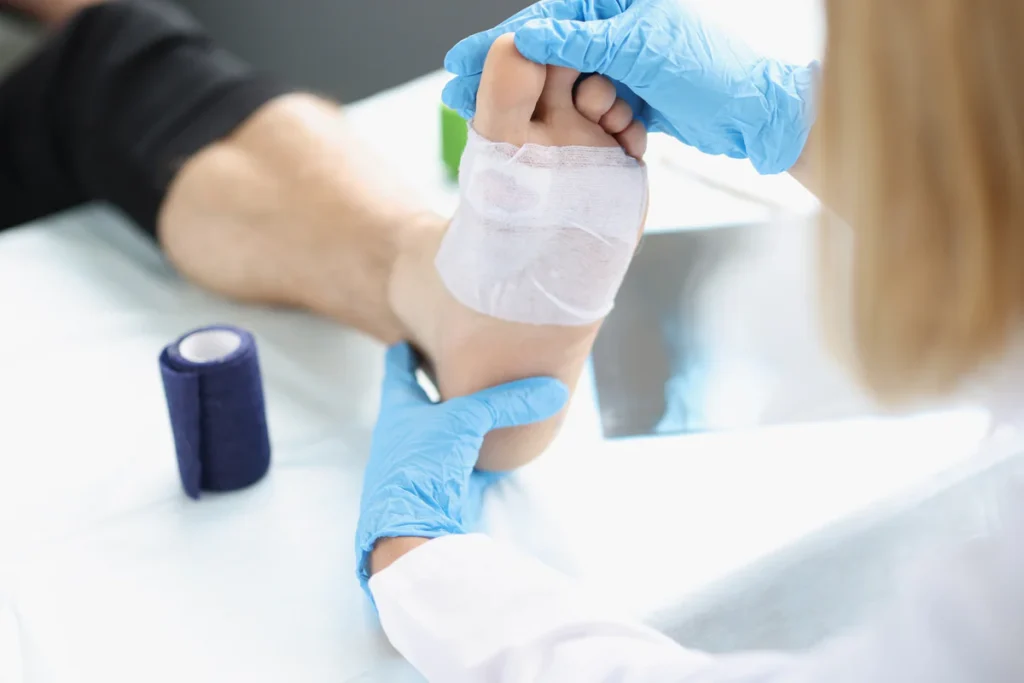
Forefoot ulcers affect the front portion of the foot where pressure is highest during walking and standing. Because this area absorbs most body weight, wounds here are slower to heal when compared to ulcers in less stressed regions. Orthopedic treatment for forefoot ulcers focuses on addressing the underlying mechanical forces that keep the wound from closing. Without proper orthopedic intervention, ulcers can worsen, deepen, and lead to infections that affect bone and soft tissue. Many people underestimate these ulcers because they may begin as small skin breaks, yet they often progress rapidly. Orthopedic specialists evaluate not just the wound but also foot structure, walking pattern, and load distribution. This approach allows healing while protecting mobility and overall foot function.
Common Causes and Risk Factors of Forefoot Ulcers
Forefoot ulcers develop due to repetitive pressure and friction over specific areas of the foot. Diabetes is one of the most common contributing conditions because nerve damage reduces pain sensation and delays response to injury. Structural problems such as hammertoes, bunions, and abnormal metatarsal alignment increase pressure on the forefoot. Poor circulation further compromises healing by limiting oxygen and nutrient delivery. Footwear that lacks proper support or cushioning can aggravate pressure points over time. Occupations requiring long hours of standing or walking raise the risk significantly. Orthopedic treatment for forefoot ulcers begins by identifying which of these risk factors are present in each patient.
Clinical Assessment and Diagnosis in Orthopedic Settings
Accurate diagnosis is essential for effective orthopedic treatment for forefoot ulcers. Specialists begin with a detailed medical history to understand how long the ulcer has been present and any prior treatments. Physical examination includes checking wound depth, tissue condition, and signs of infection. Gait analysis helps reveal how pressure shifts across the forefoot during walking. Advanced imaging may be used to rule out bone involvement or joint damage. Vascular assessment ensures proper blood flow to support healing. This thorough evaluation allows orthopedic providers to design an individualized care plan.
Principles Behind Orthopedic Treatment for Forefoot Ulcers
Orthopedic care for forefoot ulcers is guided by specific clinical principles that promote healing while maintaining function. Pressure reduction is the first priority because wounds cannot close under constant stress. Structural correction comes next, addressing foot deformities that repeatedly cause breakdown. Wound care alone is not sufficient without mechanical modification. Orthopedic treatment also aims to prevent recurrence by stabilizing foot alignment. Patient education plays a critical role in long term success. Monitoring progress ensures adjustments are made as healing evolves. These principles form the foundation of effective orthopedic treatment for forefoot ulcers.
Non Surgical Orthopedic Treatment Options
Non surgical approaches are often the first line of care for forefoot ulcers. Offloading devices redistribute weight away from the wound to allow tissue repair. Custom orthotics are commonly prescribed to balance pressure across the foot. Specialized footwear ensures adequate space and protection for deformities. Activity modification may be required to reduce repetitive stress during healing. Orthopedic providers may also recommend assistive devices to limit forefoot loading. When properly followed, these methods can heal many ulcers without surgery. Consistency and compliance are critical to their success.
Common Non Surgical Methods Used
- Total contact casts designed to distribute pressure evenly
- Removable walking boots for controlled offloading
- Custom molded foot orthoses for targeted pressure relief
- Extra depth orthopedic footwear
- Temporary use of crutches or walkers
Surgical Orthopedic Interventions When Conservative Care Is Not Enough
Some forefoot ulcers persist despite appropriate non surgical care. In these cases, surgical orthopedic treatment addresses the mechanical source of pressure directly. Procedures may include adjusting bone alignment to reduce load on the ulcer site. Tendon lengthening can help rebalance muscle forces affecting the forefoot. Surgical correction of deformities may be necessary to prevent repeated injury. These interventions are carefully planned to minimize recovery time and preserve function. Post surgery, patients continue offloading and wound monitoring. Surgery is considered a tool for lasting resolution rather than a last resort.
Post Treatment Care and Ulcer Recurrence Prevention
Healing does not end once the ulcer closes. Continued orthopedic care is essential to prevent future breakdown. Patients are often advised to wear custom orthotics long term. Daily foot inspections help identify early warning signs before ulcers return. Ongoing management of diabetes and circulation supports tissue health. Follow up visits allow providers to adjust treatment based on activity and lifestyle. Footwear reassessment ensures continued pressure control. Orthopedic treatment for forefoot ulcers emphasizes prevention as much as healing.
Role of Patient Compliance in Treatment Success
Patient participation directly impacts outcomes in forefoot ulcer care. Offloading devices only work when worn consistently as instructed. Ignoring activity guidelines can reopen healing tissue. Education helps patients understand why each component of care matters. Orthopedic teams provide practical strategies to improve adherence. Clear communication builds trust and encourages engagement. Patients who follow recommendations experience faster healing and fewer complications. Successful orthopedic treatment for forefoot ulcers is a shared effort.
Advances and Innovations in Orthopedic Treatment for Forefoot Ulcers
Modern orthopedic care continues to evolve with new technologies. Pressure sensing insoles provide real time feedback on load distribution. Improved orthotic materials are lighter and more comfortable. Minimally invasive surgical techniques reduce recovery time. Digital gait analysis improves diagnostic accuracy. These advancements enhance personalized care planning. Research continues to refine treatment effectiveness. Innovation supports better outcomes for orthopedic treatment for forefoot ulcers.
Choosing the Right Orthopedic Specialist for Forefoot Ulcer Care
Selecting the right provider is a critical decision for patients with forefoot ulcers. Experience in foot and ankle orthopedic care is essential. Providers should understand diabetic foot complications and biomechanics. Multidisciplinary collaboration improves comprehensive care. Patients benefit from specialists who emphasize both healing and prevention. Asking about treatment philosophy helps guide expectations. Trusted orthopedic specialists prioritize long term foot health. This choice can significantly affect recovery quality.
Frequently Asked Questions
How long does orthopedic treatment for forefoot ulcers usually take
Healing time depends on ulcer severity, circulation, and patient compliance. Some ulcers improve within weeks, while others require several months of care. Orthopedic treatment focuses on sustainable healing rather than speed alone.
Can orthopedic footwear heal forefoot ulcers by itself
Footwear plays an essential role but is not always enough alone. Orthotics and offloading devices are often needed to fully protect the ulcer. Comprehensive orthopedic treatment produces better results.
Is surgery required for all chronic forefoot ulcers
Surgery is only recommended when conservative treatments fail. Many ulcers heal successfully without surgical intervention. Orthopedic evaluation determines the best approach.
Do forefoot ulcers come back after healing
Recurrence is possible if pressure factors are not corrected. Long term use of orthotics reduces this risk significantly. Prevention strategies are a core part of orthopedic treatment.
How does orthopedic treatment differ from general wound care
General wound care addresses surface healing. Orthopedic treatment targets the structural cause of the ulcer. This difference improves long term outcomes.
Takeaway
Orthopedic treatment for forefoot ulcers addresses more than surface wounds by correcting pressure, alignment, and movement patterns. A structured orthopedic approach promotes healing while protecting mobility and independence. Early care, patient adherence, and long term prevention strategies reduce complications and recurrence. Choosing experienced orthopedic providers ensures comprehensive and lasting results.