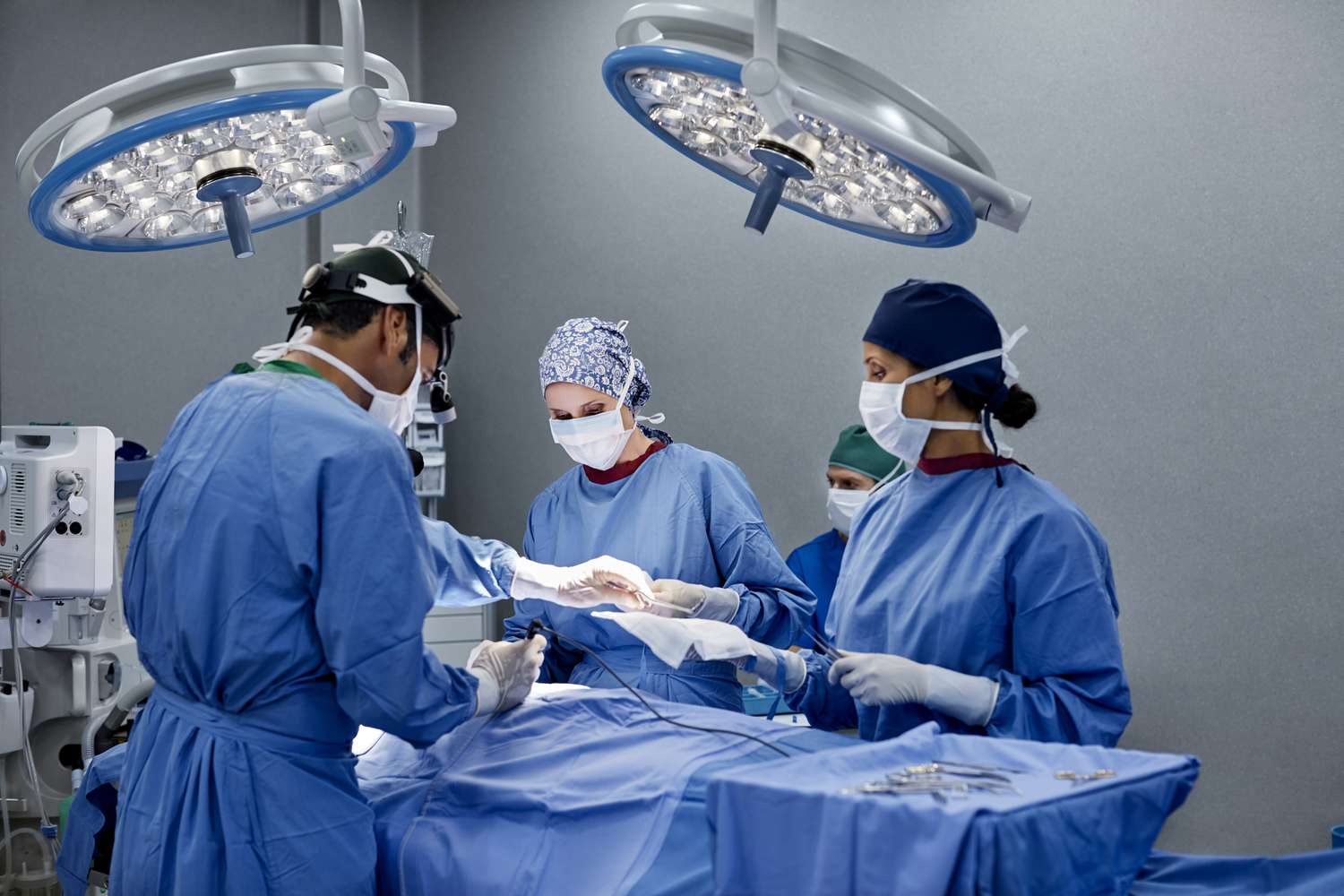
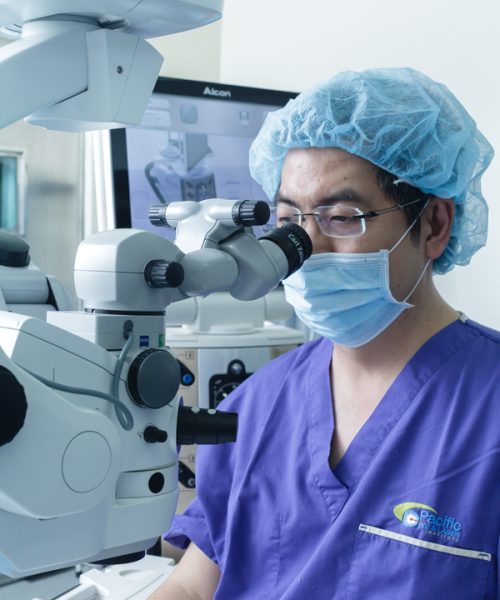
Oculoplastic & Reconstructive Surgery is a specialized field of ophthalmology that focuses on the structures surrounding the eyes, including the eyelids, tear ducts, and eye socket. This type of surgery addresses both medical and cosmetic concerns, offering solutions for functional problems such as droopy eyelids, tear duct obstruction, and injuries around the eye, as well as aesthetic enhancements that help patients look refreshed and confident. Oculoplastic & Reconstructive Surgery combines precise surgical techniques with an understanding of eye health, ensuring that vision is preserved while achieving the desired outcomes for appearance and function.
Patients often seek Oculoplastic & Reconstructive Surgery for a wide range of issues. Medical conditions like eyelid deformities, thyroid-related eye disease, and orbital tumors can interfere with vision or cause discomfort. Trauma to the eye area, including fractures or injuries, often requires reconstructive surgery to restore normal function and appearance. Cosmetic concerns, such as droopy eyelids, fine lines, or volume loss around the eyes, can also be addressed through surgical and non-surgical procedures, including blepharoplasty, Botox, and dermal fillers. This combination of medical and aesthetic care makes Oculoplastic & Reconstructive Surgery a unique and valuable specialty for anyone looking to improve eye health or appearance.
What is Oculoplastic & Reconstructive Surgery?
Oculoplastic & Reconstructive Surgery focuses on the periocular region, which includes the eyelids, eyebrows, orbit, and tear drainage system. This subspecialty treats conditions that affect the appearance, function, and health of the eyes and surrounding structures. Oculoplastic & Reconstructive Surgery is designed to correct abnormalities, relieve discomfort, and restore a natural and youthful appearance while maintaining or improving vision.
Common conditions treated with Oculoplastic & Reconstructive Surgery include droopy eyelids (ptosis), eyelid and orbital tumors, thyroid-related eye disorders, tear duct obstruction, and trauma-related injuries around the eyes. Droopy eyelids can interfere with vision and make patients appear tired or older than they are. Eyelid and orbital tumors, if untreated, may affect eye movement or vision. Thyroid eye disease can lead to swelling, discomfort, or changes in eye positioning. Blocked tear ducts often cause excessive tearing and irritation. Trauma to the periocular area may require reconstruction to restore the natural structure and function of the eyes. Oculoplastic & Reconstructive Surgery addresses these concerns with specialized surgical expertise.
This type of surgery is unique because it requires knowledge of both ophthalmology and reconstructive techniques. Surgeons carefully balance medical necessity with aesthetic outcomes to provide results that are safe, functional, and natural-looking. Every procedure is tailored to the patient’s needs, combining precision with a thorough understanding of eye anatomy.
Who Performs Oculoplastic & Reconstructive Surgery?
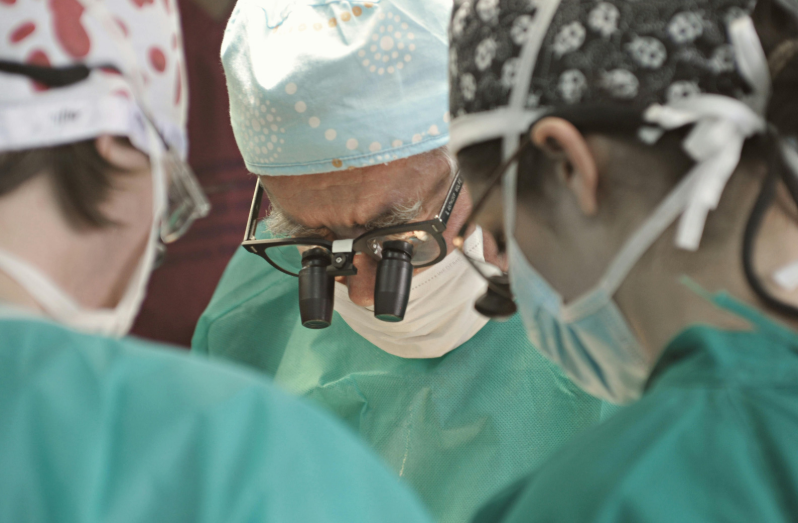
Oculoplastic & Reconstructive Surgery is performed by ophthalmologists who have completed additional training in plastic and reconstructive surgery related to the eyes and surrounding areas of the face. These specialists are highly trained to manage delicate procedures that directly affect vision and eye health.
Because the surgeries involve structures close to the eye, Oculoplastic & Reconstructive Surgery requires a surgeon who can carefully navigate both the functional and cosmetic aspects of the procedure. The surgeon’s role extends beyond the operation itself, providing ongoing care to ensure that healing is smooth, vision is protected, and the final outcome meets the patient’s expectations.
Patients who choose Oculoplastic & Reconstructive Surgery benefit from surgeons who are experienced in handling both routine and complex cases. They combine expertise in ophthalmology with advanced techniques in reconstructive and cosmetic surgery. This dual focus ensures that each patient receives comprehensive care that addresses their functional needs and aesthetic goals.
Common Oculoplastic Procedures
Oculoplastic & Reconstructive Surgery includes both functional and cosmetic procedures. Functional procedures aim to restore proper eye function and comfort, while cosmetic procedures focus on enhancing appearance.
Functional Procedures
Eyelid reconstruction is one of the most common functional procedures. It is performed for patients who have suffered trauma, undergone tumor removal, or have congenital deformities. Reconstructive surgery restores the natural shape and function of the eyelids, ensuring proper eye protection and movement.
Tear duct repair, also known as dacryocystorhinostomy, is another important functional procedure. Blocked tear ducts can cause chronic tearing, irritation, and infection. Oculoplastic & Reconstructive Surgery restores proper tear drainage, relieving discomfort and preventing further complications.
Orbital fracture repair is performed after injuries to the eye socket. Trauma from accidents, falls, or sports injuries can disrupt the shape and alignment of the orbit, affecting eye movement and appearance. Surgical repair restores normal anatomy and supports healthy eye function.
Cosmetic Procedures
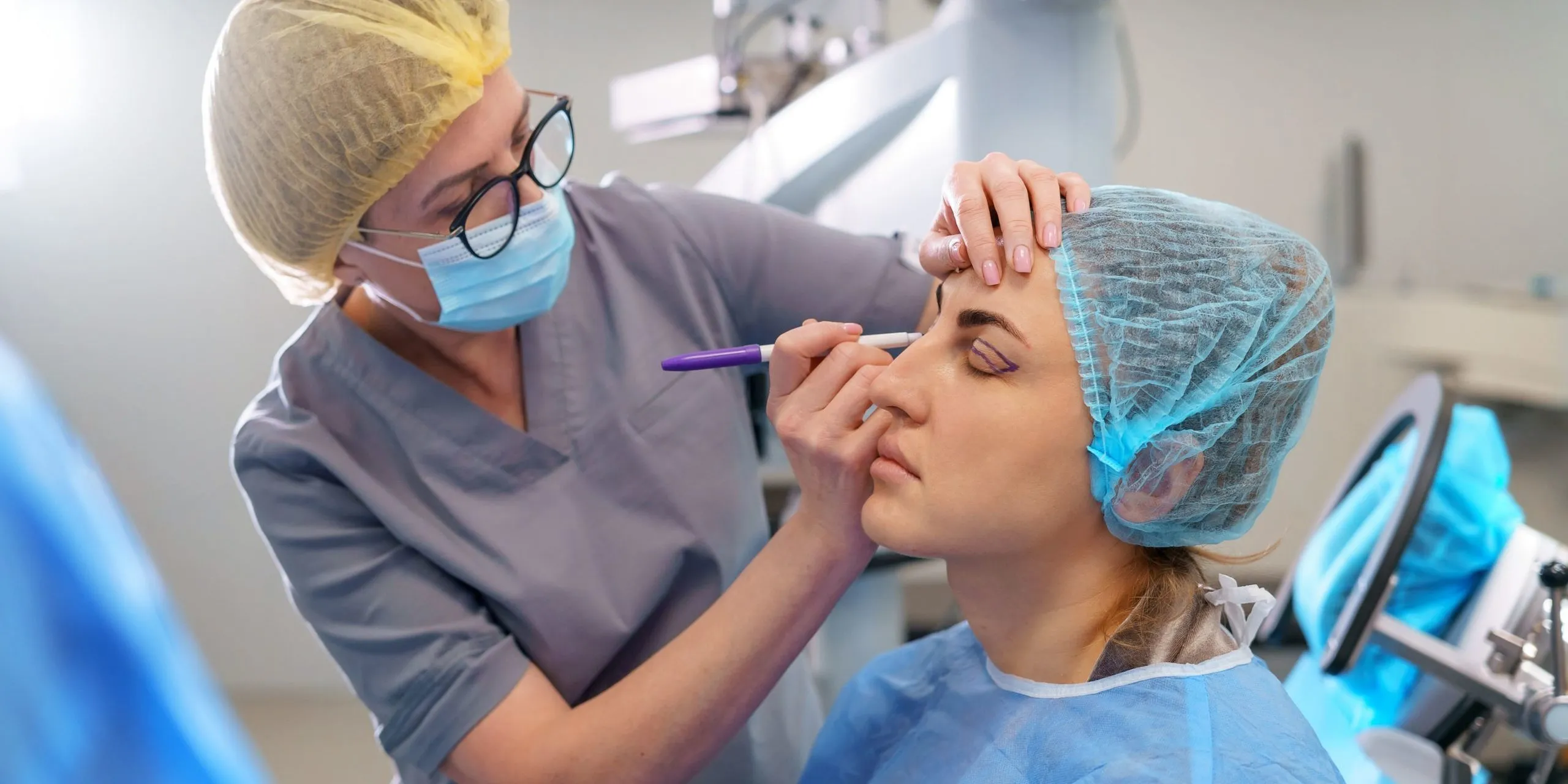
Cosmetic procedures within Oculoplastic & Reconstructive Surgery enhance the natural beauty of the eyes while preserving function. Blepharoplasty, or eyelid lift surgery, corrects droopy eyelids and removes excess skin or fat. This procedure helps patients look younger and more alert while improving peripheral vision in some cases.
Botox and dermal fillers are commonly used to reduce fine lines, wrinkles, and volume loss around the eyes. These non-surgical treatments complement surgical procedures and provide a refreshed, youthful appearance.
Facial rejuvenation procedures can address additional concerns, such as sagging skin or hollowed areas around the eyes. Oculoplastic & Reconstructive Surgery combines medical knowledge and aesthetic techniques to ensure results that are natural-looking and harmonious with the rest of the face.
Why Choose Peregrine Eye and Laser Institute?
Peregrine Eye and Laser Institute (PELI) offers world-class Oculoplastic & Reconstructive Surgery services in Metro Manila. Established in 2013 by Mr. Jimmy Tan, Dr. Harvey Uy, and Dr. Pik Sha Chan Uy, PELI was founded with the mission of providing advanced eye care with a focus on patient comfort and safety. The institute operates major facilities in Makati, Manila, and Quezon City.
PELI’s team of specialists includes doctors trained at prestigious institutions such as Harvard Medical School, Johns Hopkins University, UCLA, California Pacific Medical Center, University of Wisconsin, and Singapore National Eye Center. Their decades of experience in clinical and surgical practice make them highly qualified to perform Oculoplastic & Reconstructive Surgery with precision and care.
The institute is equipped with modern ophthalmic tools and state-of-the-art operating theaters, allowing them to handle both simple and complex cases. PELI emphasizes patient comfort, providing well-trained staff, advanced IT systems for scheduling and follow-up, and clinics designed to be welcoming and efficient. Patients can expect individualized care, clear communication, and expert guidance throughout every step of their Oculoplastic & Reconstructive Surgery journey.
What to Expect During Oculoplastic & Reconstructive Surgery
The process of Oculoplastic & Reconstructive Surgery begins with a consultation, during which the surgeon evaluates the patient’s condition and discusses treatment options. Diagnostic tests and imaging may be used to plan the procedure carefully. Every patient receives a personalized treatment plan that addresses both medical and aesthetic needs.
During surgery, the surgeon uses specialized techniques to ensure precision and minimize risk. The procedures are designed to protect vision while restoring function and appearance. Recovery varies depending on the type of surgery, but patients can generally expect some swelling and bruising that gradually improves. Follow-up visits allow the surgeon to monitor healing and address any concerns.
Patients who undergo Oculoplastic & Reconstructive Surgery can expect both immediate and long-term improvements in eye function and appearance. Careful planning, advanced techniques, and attentive post-operative care ensure that results are safe, effective, and natural-looking.
Takeaway
Oculoplastic & Reconstructive Surgery provides solutions for both medical and aesthetic concerns surrounding the eyes. From functional procedures like eyelid reconstruction and tear duct repair to cosmetic enhancements such as blepharoplasty and facial rejuvenation, these surgeries improve appearance, comfort, and vision. Choosing an experienced and skilled surgeon ensures that results are safe, natural, and long-lasting. Peregrine Eye and Laser Institute offers world-class Oculoplastic & Reconstructive Surgery with advanced technology, highly trained specialists, and a patient-centered approach, helping patients restore both function and beauty around their eyes.
Frequently Asked Questions About Oculoplastic & Reconstructive Surgery
How long is recovery after Oculoplastic & Reconstructive Surgery?
Recovery depends on the type of procedure. Swelling and bruising typically improve within one to two weeks, while full healing may take several months. Your surgeon will provide detailed post-operative instructions.
Will Oculoplastic & Reconstructive Surgery affect my vision?
Surgeons performing Oculoplastic & Reconstructive Surgery are highly trained ophthalmologists. Procedures are carefully designed to protect vision while addressing functional or cosmetic concerns.
Are cosmetic procedures covered under insurance?
Functional procedures related to vision or medical conditions are often covered, while purely aesthetic procedures such as blepharoplasty or Botox are generally not. Your surgeon and staff can help clarify coverage options.
How do I know if I need Oculoplastic & Reconstructive Surgery?
Patients with droopy eyelids, tear duct obstruction, orbital trauma, eyelid tumors, or cosmetic concerns may benefit. A consultation with a qualified oculoplastic surgeon will determine the best treatment plan.
Can Oculoplastic & Reconstructive Surgery be combined with other procedures?
Yes, cosmetic and functional procedures can be combined to optimize results, depending on the patient’s needs and the surgeon’s recommendation.