Cataract surgery is one of the most common procedures to restore vision, and understanding the recovery process is essential for patients in Bicol. Cataracts cause clouding of the natural lens, leading to blurred vision, glare, and difficulty performing everyday tasks. Knowing the typical cataract surgery recovery time Bicol residents experience helps patients plan for rest, follow-up care, and lifestyle adjustments. Healing is influenced by factors like age, overall health, type of surgery, and commitment to post-operative instructions. Patients who are prepared for each stage of recovery often experience smoother outcomes and reduced anxiety. The recovery period involves physical healing, eye protection, and adapting daily activities to prevent complications. Early attention to care and proper follow-up can make a significant difference in restoring clear vision.
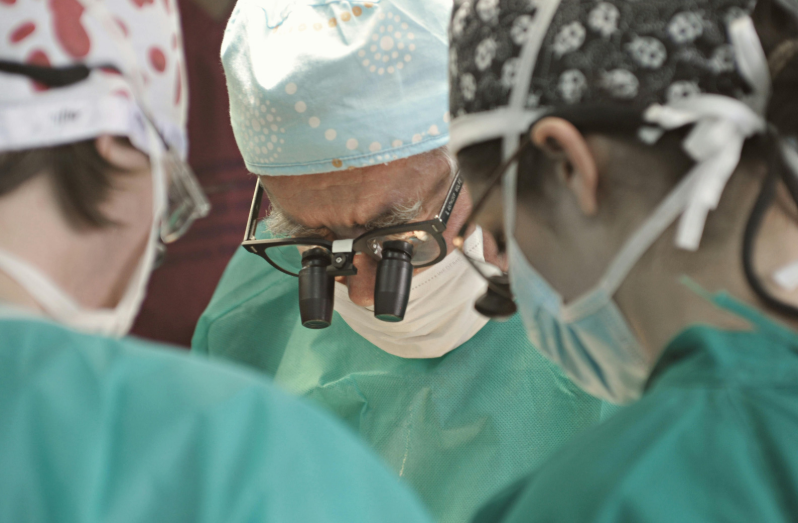
Cataract surgery involves removing the cloudy lens and replacing it with an artificial intraocular lens (IOL). Phacoemulsification is the most widely used technique, which uses ultrasound to break up the lens for easier removal. Local anesthesia is typically administered, allowing patients to remain awake and comfortable throughout the procedure. Various types of IOLs, such as monofocal, multifocal, and toric lenses, offer vision correction tailored to distance, near vision, or astigmatism. The procedure is usually quick, often completed in less than half an hour per eye. After surgery, patients are monitored in a recovery area to ensure stability and comfort. Knowing what happens during surgery helps patients anticipate mild discomfort, light sensitivity, or temporary blurriness.
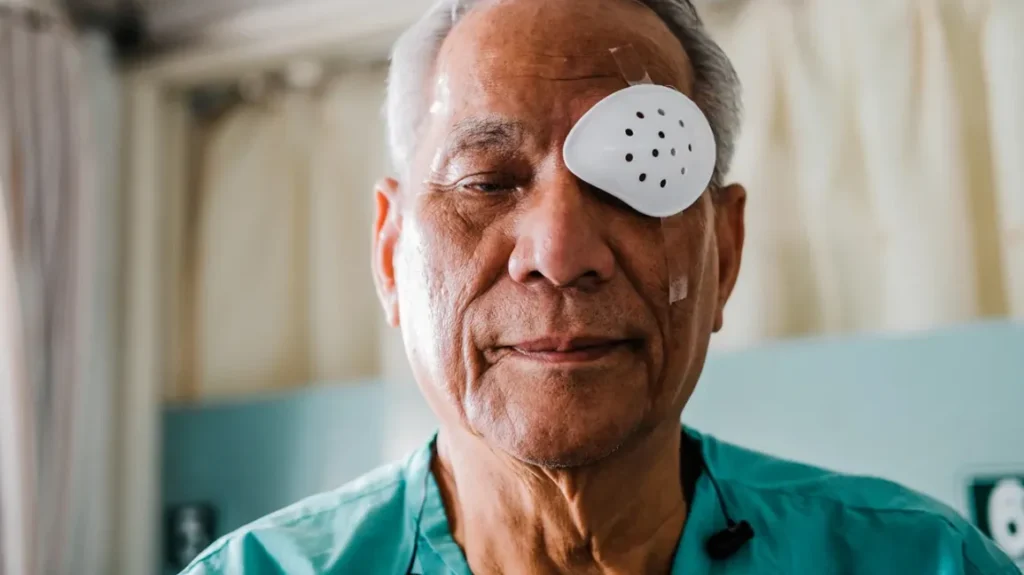
The first 24 hours after surgery are crucial for safe recovery. Patients may feel slight pressure, itchiness, or watery eyes, which is normal during early healing. Eye shields or protective patches help prevent accidental rubbing and shield the eye from external irritants. Prescribed eye drops are essential for preventing infection and reducing inflammation, so following the schedule strictly is critical. Patients in Bicol should plan to have a companion for transport and assistance during this period. Heavy lifting, bending, or strenuous activity should be avoided. Maintaining a proper sleeping position with the eye protected promotes early healing. Focusing on comfort and safety during this initial stage supports long-term recovery.
During the first week, patients experience early healing, with vision gradually improving. Mild redness, sensitivity to light, and occasional irritation are expected symptoms. Strict adherence to medication schedules is necessary to prevent infection and inflammation. Patients should avoid dust, smoke, and other environmental irritants that can affect healing, particularly in certain areas of Bicol. Light daily activities, such as walking or simple household tasks, are generally safe. Follow-up appointments help ensure the eye is healing properly and allow doctors to address any concerns. Monitoring symptoms and following instructions during this stage is key to preventing complications.
By the second to fourth week, vision typically becomes more stable, and patients notice significant improvements in clarity. Adjusting to the new intraocular lens may require minor adaptation, but daily tasks become much easier. Many patients can safely resume normal activities, including work and driving, while avoiding heavy lifting or rapid head movements. Signs of proper healing include reduced redness, minimal discomfort, and consistent visual clarity. Dryness and mild irritation can be managed with artificial tears if recommended. Patients are encouraged to continue protecting the eye from injury and environmental factors. This stage marks a transition toward more normal daily functioning while maintaining safe habits.
Full recovery from cataract surgery generally occurs within four to six weeks, although individual experiences can vary. Complete healing is characterized by stable vision and minimal discomfort or inflammation. Factors such as age, chronic health conditions, and environmental conditions may influence recovery speed. It is normal for one eye to heal slightly faster than the other. Follow-up visits confirm that the IOL is functioning well and that no complications have developed. Patients may also determine when it is appropriate to update their eyeglass prescription. Maintaining healthy lifestyle habits during this period supports sustained vision clarity and comfort.
Several factors can affect cataract surgery recovery time in Bicol. Age plays a significant role, with younger patients often healing faster than older adults. Overall health, including the presence of diabetes, hypertension, or other chronic illnesses, can influence recovery. Environmental conditions, such as humidity, dust, and air quality, may also affect healing. Access to quality post-operative care and compliance with medical advice are critical determinants of successful recovery. The type of surgical technique and IOL implanted further impact recovery speed and comfort. Patients who actively participate in their care often experience better outcomes. Awareness of these factors helps Bicol residents plan their recovery and take preventive measures.
Proper post-operative care can promote faster healing and reduce the risk of complications. Patients should:
- Follow the prescribed eye drop regimen consistently to prevent infection
- Maintain eye hygiene and avoid touching or rubbing the eye
- Wear sunglasses outdoors to protect against sunlight and UV rays
- Avoid swimming or exposure to dusty and smoky environments
- Follow recommended sleeping positions to protect the operated eye
- Consume a balanced diet rich in vitamins and hydration to support healing
- Take sufficient rest and gradually resume physical activity
Recognizing warning signs is essential for preventing complications. Patients should seek immediate medical attention if they experience severe pain, sudden vision loss, increased redness, swelling, discharge, or flashes of light. Timely intervention ensures that potential issues are managed effectively. Awareness of these signs empowers patients to take prompt action, protecting long-term vision and eye health.
Adjusting lifestyle habits during recovery supports better outcomes. Limiting screen time and taking breaks prevents eye strain. Patients returning to physically demanding work should do so gradually. Travel within Bicol is typically safe after a few days, but crowded or dusty environments should be avoided initially. Sufficient rest and paced activity help the eye heal naturally. Emotional adaptation to improved vision is also part of recovery. Patients who embrace these adjustments often experience smoother healing and better results.
Modern cataract surgery techniques offer faster recovery compared to older methods. Small-incision phacoemulsification minimizes trauma and promotes quicker healing. Advanced IOLs provide better vision correction and may reduce dependence on glasses. Bicol residents seeking modern options can benefit from shorter recovery periods and lower complication rates. Understanding available surgical technology allows patients to make informed decisions about care. Access to experienced ophthalmologists and reputable clinics ensures optimal outcomes. While costs may vary, the benefits of modern technology often outweigh the investment for long-term vision improvement.
Long-term vision after cataract surgery is usually excellent. Patients enjoy improved clarity and quality of life. Some may still need glasses depending on vision needs and lens type. Posterior capsule opacification, or secondary cataract, can occur but is treatable with a simple laser procedure. Regular eye checkups, proper nutrition, and protective habits help maintain eye health. Patients should monitor for changes in vision and address concerns promptly. Adopting preventive care ensures lasting benefits from cataract surgery.
Common myths about cataract surgery recovery can create unnecessary fear. Pain is generally minimal due to modern techniques. Extended bed rest is unnecessary, and light activities can begin almost immediately. Vision may not improve instantly for everyone, but gradual enhancement is expected. Healing can differ between eyes and individuals, so each recovery experience is unique. Following professional guidance helps patients resume normal life safely. Dispelling misconceptions allows patients to approach recovery with confidence and clarity.
Frequently Asked Questions
How long does cataract surgery recovery time in Bicol usually take?
Noticeable vision improvement occurs within days, while full recovery typically takes four to six weeks.
Is it normal to experience blurry vision after surgery?
Yes, mild blurriness is common in the first few days as the eye adjusts to the lens.
When can I return to work after cataract surgery?
Light work can often be resumed within a few days, while physically demanding tasks may require two to four weeks.
Can I travel within Bicol after surgery?
Short trips are generally safe after a few days, but dusty or crowded areas should be avoided early in recovery.
What activities should be avoided during recovery?
Avoid heavy lifting, swimming, eye rubbing, and exposure to dust or smoke.
Will I need glasses after cataract surgery?
Some patients may still require glasses depending on lens type and visual needs.
How do I know if my eye is healing properly?
Gradual vision improvement, minimal discomfort, and regular follow-ups indicate proper healing.
Are complications common?
Complications are rare when surgery is performed by skilled ophthalmologists and patients follow post-operative instructions.
Takeaway
Understanding cataract surgery recovery time Bicol patients experience is essential for a smooth and successful healing process. By following medical advice, practicing proper eye care, and making lifestyle adjustments, patients can enjoy improved vision within weeks. Awareness of warning signs and myths empowers patients to navigate recovery confidently. With careful attention and proper guidance, cataract surgery can greatly enhance vision and quality of life for residents in Bicol.