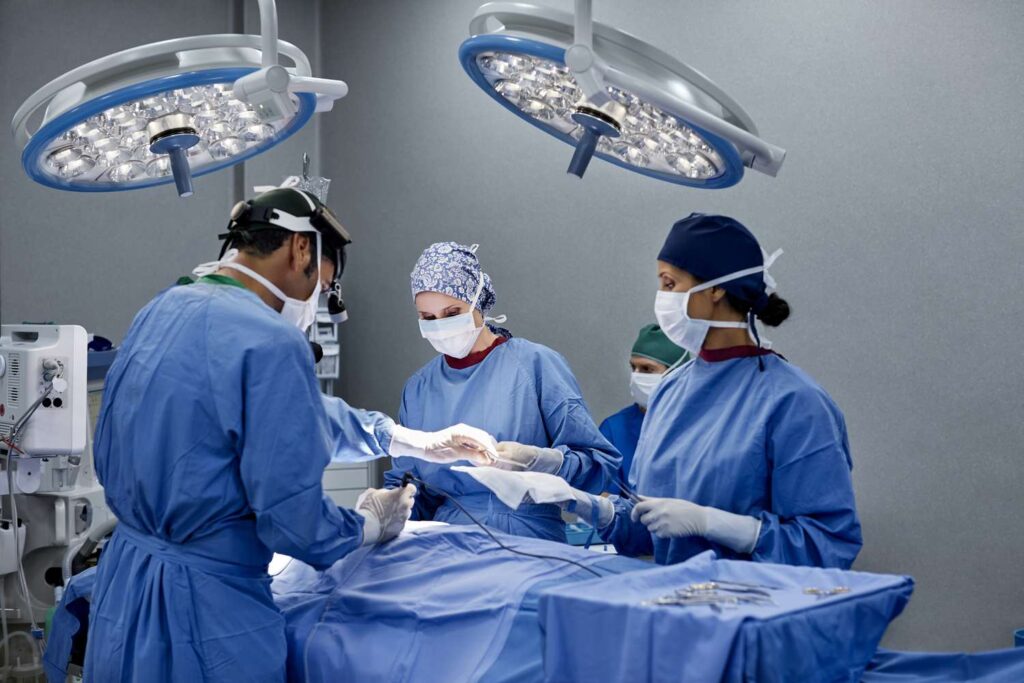
Muscle-related injuries and conditions can significantly impact a person’s mobility, strength, and overall quality of life. When non-invasive treatments are no longer effective, surgical intervention becomes a practical option for restoring function and reducing discomfort. Muscle surgery in Manila has become increasingly popular among both local and international patients due to its blend of affordability, medical expertise, and modern healthcare infrastructure. Many individuals travel to the city specifically to access high-quality surgical care without the overwhelming costs seen in other countries.
The decision to undergo muscle surgery is not something most people take lightly, as it involves careful planning, medical evaluation, and a commitment to recovery. Patients often have concerns about the procedure itself, the qualifications of surgeons, and what happens after surgery. Manila’s healthcare system addresses these concerns by offering well-trained specialists and comprehensive patient care programs. Hospitals in the city are equipped with advanced technologies that support precise and efficient procedures. Learning about muscle surgery in Manila helps patients approach the process with clarity and confidence while understanding both the benefits and responsibilities involved.
What Muscle Surgery Involves
Muscle surgery refers to a range of procedures that aim to repair, reconstruct, or improve the function of muscles affected by injury, disease, or structural abnormalities. These procedures are often recommended when physical therapy, medications, or other non-surgical treatments fail to provide relief. Individuals who suffer from sports injuries, traumatic accidents, or degenerative muscle conditions may benefit from surgical intervention.
Different types of muscle surgery address specific medical needs. Tendon repair reconnects torn tendons to restore movement and stability, while muscle grafting involves transferring healthy tissue to replace damaged areas. Muscle release procedures are used to relieve tightness and improve flexibility, particularly in patients with restricted movement. Reconstructive muscle surgery focuses on restoring both function and appearance, which can be especially important for individuals recovering from severe injuries.
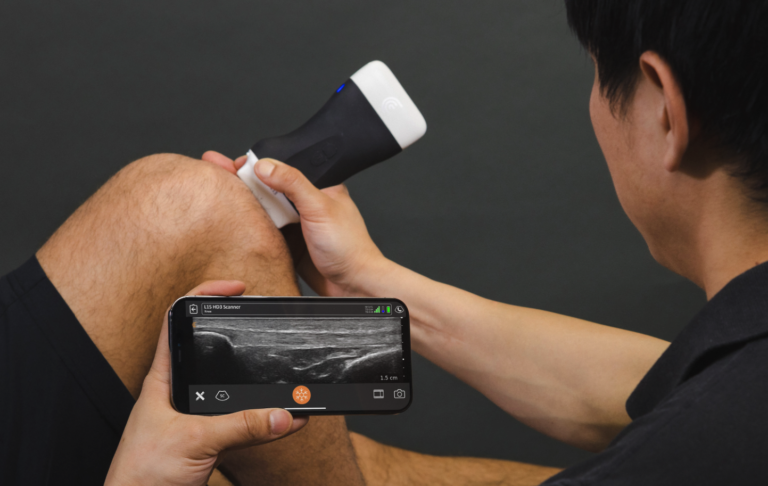
Surgeons conduct thorough evaluations before recommending any procedure, ensuring that the patient’s condition truly requires surgical intervention. Diagnostic imaging, strength testing, and overall health assessments help guide treatment plans. With proper diagnosis and expert surgical care, muscle surgery can significantly enhance mobility and reduce long-term discomfort.
Why Manila Is a Preferred Destination for Muscle Surgery
Manila has established itself as a trusted destination for medical procedures, including muscle surgery. The city’s hospitals are known for their modern facilities, highly trained medical professionals, and adherence to international healthcare standards. Many surgeons in Manila have received training abroad, bringing global expertise into local practice.
Cost is a major factor that draws patients to Manila. Muscle surgery in Manila is often more affordable compared to similar procedures in Western countries, allowing patients to receive quality care without financial strain. Despite the lower costs, hospitals maintain strict safety protocols and invest in advanced surgical technologies.
Accessibility is another advantage, as Manila serves as a central hub with international airports and well-developed transportation systems. Patients traveling from abroad find it convenient to access top-tier medical facilities. English is widely spoken, which simplifies communication between patients and healthcare providers. These factors combine to create an environment where patients can feel confident about receiving safe and effective treatment.
Getting Ready for Muscle Surgery
Preparation plays a vital role in achieving successful outcomes for muscle surgery. Patients are required to undergo comprehensive medical evaluations, including blood tests, imaging scans, and physical examinations. These assessments help identify potential risks and ensure that the patient is fit for surgery.
Selecting the right surgeon is equally important. Patients should consider factors such as experience, specialization, and communication skills when choosing a healthcare provider. Understanding the procedure, possible complications, and expected recovery timeline allows patients to set realistic expectations.
Physical preparation may involve strengthening exercises recommended by the surgeon to improve muscle condition before the procedure. Mental readiness is also essential, as surgery can be emotionally challenging. Establishing a support system of family, friends, or healthcare professionals can help ease anxiety. Clear communication during pre-surgery consultations ensures that patients feel informed and prepared for what lies ahead.
What Happens During the Procedure
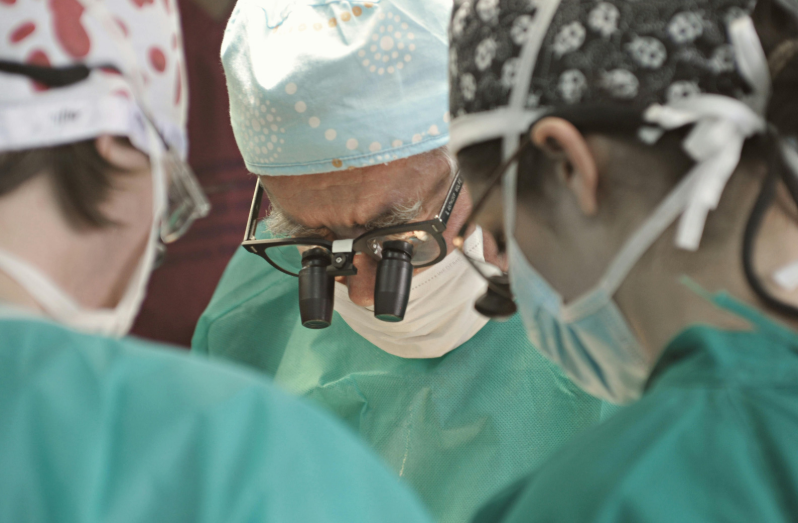
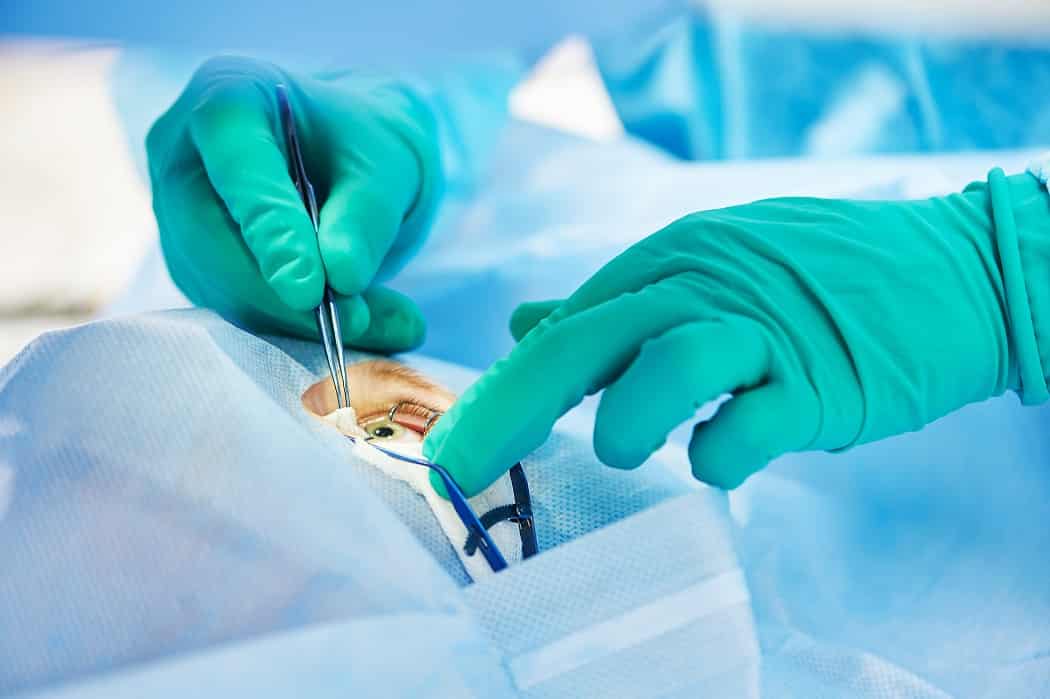
Muscle surgery in Manila is carried out with precision and strict adherence to medical protocols. The procedure typically begins with the administration of anesthesia, which may be local, regional, or general depending on the complexity of the surgery. Patients are closely monitored throughout the operation to ensure safety.
The surgical approach depends on the type of muscle condition being treated. In tendon repair procedures, surgeons carefully reattach torn tendons to restore movement. Muscle grafting involves transplanting healthy tissue to damaged areas, while muscle release techniques help relieve tightness and improve flexibility. Reconstructive surgeries aim to restore both function and physical appearance.
The duration of surgery varies based on the complexity of the procedure. Some operations are completed within a few hours, while others may take longer. After surgery, patients are moved to a recovery area where medical staff monitor their condition and manage pain. Depending on the procedure, patients may either return home the same day or stay in the hospital for further observation.
Healing and Rehabilitation After Surgery
Recovery from muscle surgery requires dedication and patience, as healing takes time and consistent effort. The initial phase of recovery focuses on managing pain, reducing swelling, and preventing complications. Patients are often prescribed medications and advised to rest while gradually reintroducing movement.
Physical therapy is a critical component of rehabilitation. Therapists design personalized programs that help patients regain strength, flexibility, and coordination. These exercises are essential for restoring full muscle function and preventing future injuries.
Patients must remain vigilant for signs of complications, such as infection or unusual pain. Regular follow-up appointments allow surgeons to monitor progress and make necessary adjustments to the recovery plan. Maintaining a balanced diet rich in nutrients supports the healing process. Emotional resilience also plays a role, as recovery can be both physically and mentally demanding. With proper care and commitment, most patients achieve significant improvements in mobility and overall well-being.
Practical Recovery Guidelines
- Follow your surgeon’s instructions carefully at all times
- Attend every scheduled rehabilitation session
- Avoid intense physical activity during early recovery
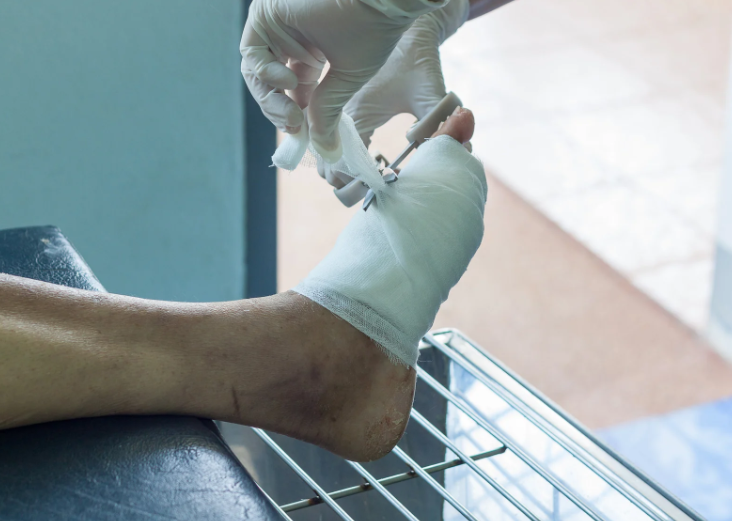
- Keep the surgical area clean and properly dressed
- Eat nutrient-rich foods to support muscle repair
- Stay hydrated to promote healing
- Report any unusual symptoms to your doctor immediately
Understanding Costs and Payment Options
Financial planning is an important aspect of undergoing muscle surgery. The cost of muscle surgery in Manila varies depending on factors such as the type of procedure, the surgeon’s expertise, and the hospital’s facilities. Additional expenses may include diagnostic tests, anesthesia, and post-operative care.
Many patients find that Manila offers a cost-effective alternative without sacrificing quality. Hospitals provide transparent pricing and often assist patients in understanding the breakdown of expenses. Health insurance may cover part of the procedure if it is deemed medically necessary.
For those paying out-of-pocket, financing options and installment plans are often available. Patients are encouraged to discuss all financial details with the hospital before proceeding with surgery. Being well-informed about costs helps reduce stress and allows patients to focus on recovery.
Selecting the Best Medical Facility
Choosing the right hospital or clinic is a critical decision for anyone considering muscle surgery in Manila. Reputable facilities are equipped with advanced technology and staffed by experienced medical professionals. Patients should research hospital accreditation, surgeon credentials, and available services before making a choice.
Consultations provide an opportunity to evaluate the quality of care and ask important questions about the procedure and recovery process. Patients should also consider the availability of rehabilitation services and post-surgery support.
Reading patient feedback and visiting the facility can offer additional insights into the hospital’s standards. A well-chosen medical provider ensures a safer surgical experience and better overall outcomes. Trust and confidence in the healthcare team are essential components of a successful journey.
Patient Care and Support Systems
Patient care extends beyond the operating room, encompassing the entire experience from consultation to recovery. Hospitals in Manila prioritize patient comfort by offering modern amenities and attentive medical staff. These features help create a supportive environment for healing.
International patients benefit from services such as language assistance and travel coordination, making the process more convenient. Follow-up care is carefully managed to track recovery progress and address any concerns.
Emotional and psychological support is also emphasized, as surgery can be a challenging experience. Counseling and support groups may be available to help patients cope with stress and maintain a positive outlook. Comprehensive care ensures that patients feel supported every step of the way.
Frequently Asked Questions
Who should consider muscle surgery in Manila
Individuals with severe muscle injuries, chronic conditions, or mobility issues that do not respond to non-surgical treatments may benefit from surgery. A medical evaluation determines eligibility
How long does recovery usually take
Initial healing may take several weeks, while full recovery can extend over several months depending on the procedure and rehabilitation efforts
Are there risks involved in muscle surgery
As with any surgery, risks include infection, bleeding, and delayed healing. These risks are minimized through proper medical care and adherence to post-surgery guidelines
Can non-surgical treatments replace muscle surgery
In some cases, physical therapy and medication may be effective. However, surgery is often necessary for severe or persistent conditions
Is muscle surgery in Manila safe for international patients
Yes, many hospitals follow international standards and provide specialized services for foreign patients
How can I book a consultation
Patients can contact hospitals directly through their websites, phone lines, or in-person visits to schedule consultations
Takeaway
Muscle surgery in Manila offers a practical and reliable option for individuals seeking to restore muscle function and improve their quality of life. With experienced surgeons, modern facilities, and competitive pricing, the city continues to attract patients from around the world. Careful preparation, informed decision-making, and commitment to rehabilitation are key factors in achieving positive outcomes. By understanding every stage of the process, patients can approach muscle surgery with confidence and clarity while working toward a healthier and more active future.