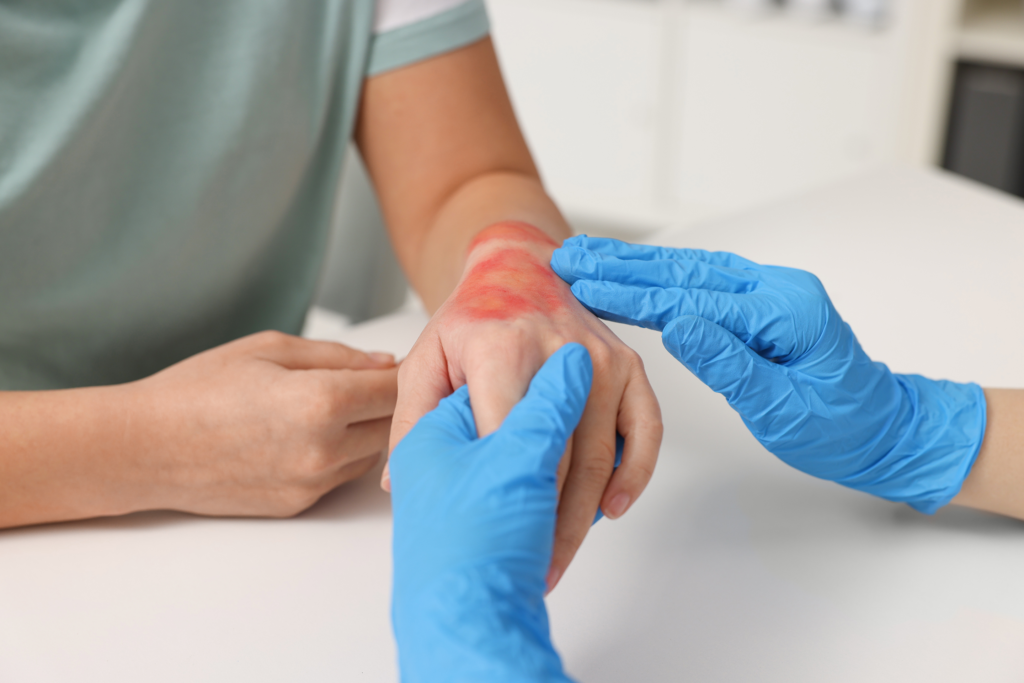
Proper medical wound care is essential for healing injuries effectively and preventing complications that can impact overall health. Untreated wounds can lead to infections, chronic pain, or long-term disability, making timely and professional care critical. At Kalingap Wound Care Clinic in Quezon City, patients receive high-quality medical wound care designed to treat both the wound and the person behind it. Guided by Filipino values of kalinga (care) and lingap (nurture), Kalingap combines advanced treatments with compassionate, patient-focused care, ensuring that healing is thorough, dignified, and supported from start to finish.
Medical wound care goes beyond simple first aid. It focuses on managing wounds with a structured, professional approach, often involving advanced techniques and therapies. Chronic wounds, diabetic ulcers, venous insufficiency wounds, pressure sores, and surgical wounds all require specialized attention. At Kalingap, each patient receives personalized treatment plans that address both the immediate injury and underlying health conditions that can impact recovery.
What is Medical Wound Care?
Medical wound care refers to the professional treatment and management of wounds using evidence-based techniques. Unlike basic wound care that may involve cleaning and bandaging, medical wound care integrates advanced therapies, monitoring, and supportive strategies to promote faster healing and prevent complications. This type of care is particularly important for chronic wounds that fail to heal naturally due to factors like diabetes, poor circulation, or immune deficiencies.
At Kalingap Wound Care Clinic, medical wound care involves assessing the wound, identifying its underlying causes, and applying advanced treatments tailored to each patient. The clinic emphasizes treating the person as a whole, combining physical care with emotional support and patient education. This holistic approach ensures better long-term outcomes and reduces the risk of wound recurrence.
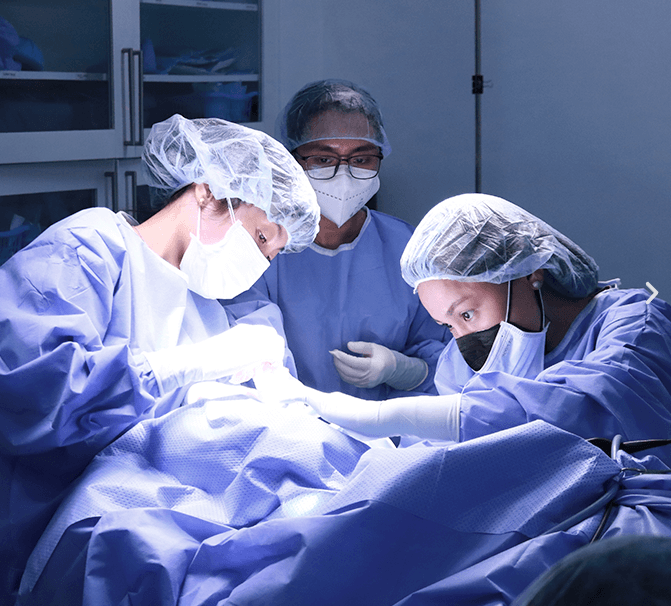
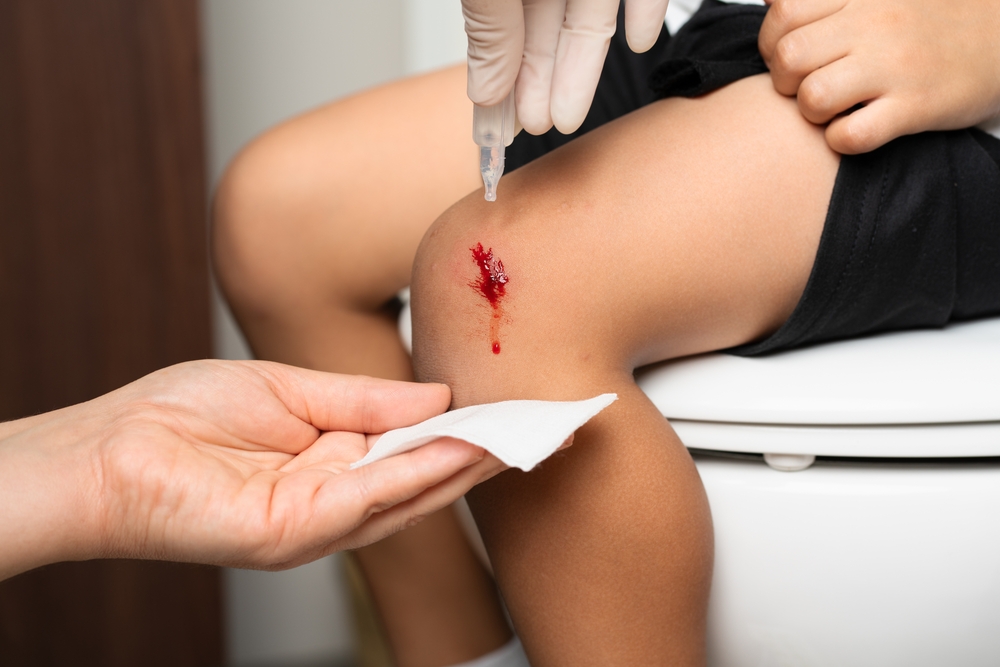
Types of wounds treated in medical wound care include acute wounds, such as cuts, burns, and surgical incisions, and chronic wounds, such as diabetic foot ulcers, venous leg ulcers, pressure ulcers, and non-healing traumatic injuries. Each type of wound requires a specific approach, and delays in treatment can result in infections, prolonged discomfort, and serious complications.
Common Causes and Risks of Wounds
Understanding the causes and risks of wounds is essential for preventing complications and promoting effective healing. Chronic illnesses, such as diabetes, venous insufficiency, and immune deficiencies, increase the risk of wounds failing to heal. Diabetes, for example, can impair circulation and reduce the body’s ability to fight infection, making wounds more vulnerable to chronic complications.
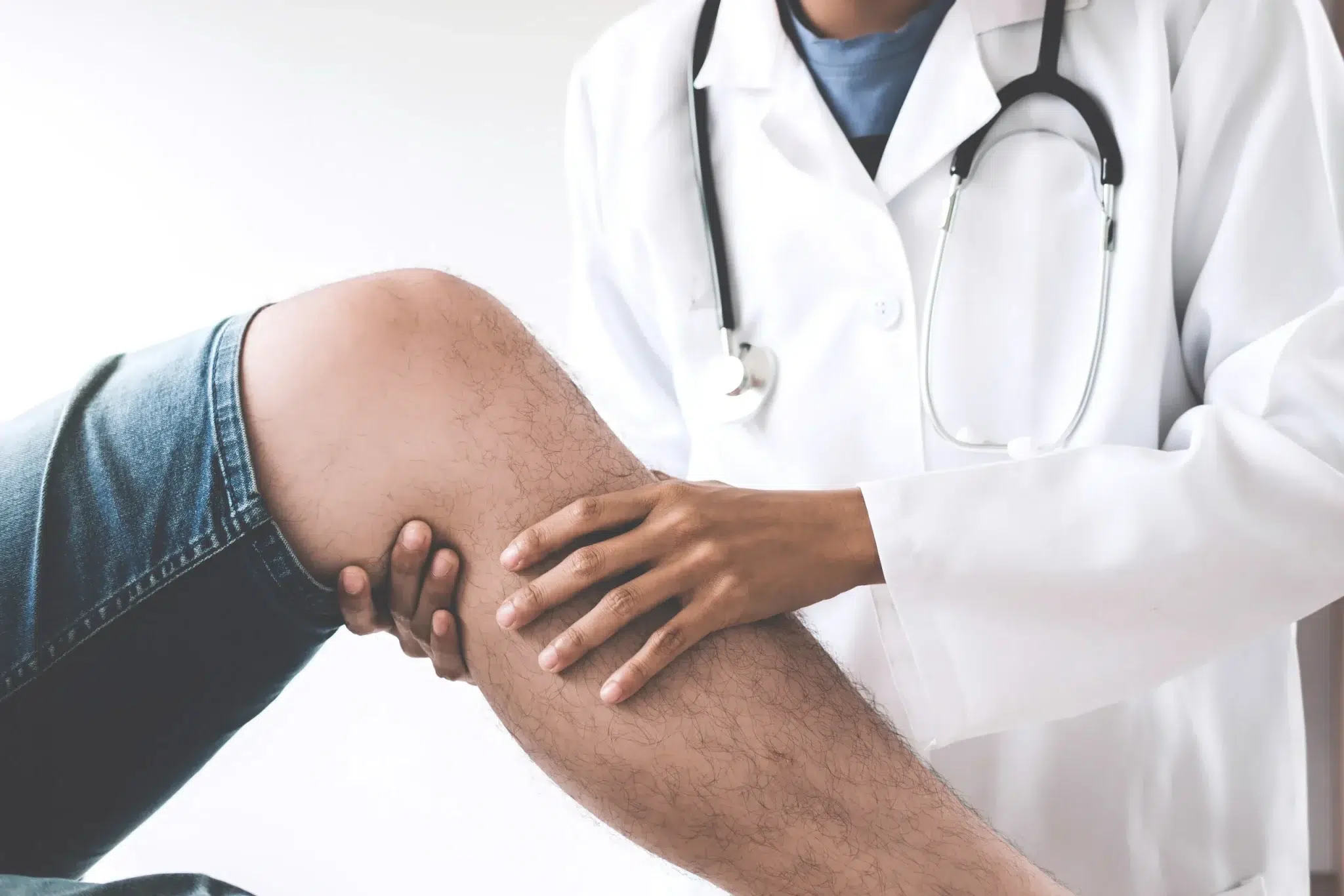
Accidents and injuries, including cuts, burns, and trauma, also require professional medical wound care to prevent infections and ensure proper tissue repair. Poor circulation, prolonged pressure, or friction can lead to pressure ulcers, especially in individuals who are bedridden or have limited mobility.
Untreated or poorly managed wounds carry significant risks. Infection can spread to deeper tissues or enter the bloodstream, creating life-threatening conditions. Chronic wounds may lead to reduced mobility, long-term discomfort, or even amputation in severe cases. Medical wound care addresses these risks by combining advanced treatment techniques, monitoring, and patient education to prevent complications and support full recovery.
Advanced Wound Care Treatments at Kalingap
Kalingap Wound Care Clinic provides advanced medical wound care treatments that are tailored to the needs of each patient. Ultrasonic debridement is one of the clinic’s specialized techniques, allowing gentle removal of dead tissue to accelerate healing and reduce the risk of infection. This treatment is particularly effective for chronic wounds, diabetic foot ulcers, and pressure sores.
Negative pressure wound therapy (NPWT) is another cutting-edge option offered at Kalingap. This method uses controlled suction to remove fluid and promote tissue growth, helping wounds heal faster and more effectively. NPWT has been shown to improve outcomes for patients with complex or chronic wounds by creating an optimal healing environment.
Kalingap’s medical wound care approach also addresses overall patient health. Nutritional guidance, management of underlying conditions, and emotional support are integrated into every treatment plan. By combining advanced technology with compassionate care, patients receive comprehensive treatment that accelerates recovery and improves quality of life.
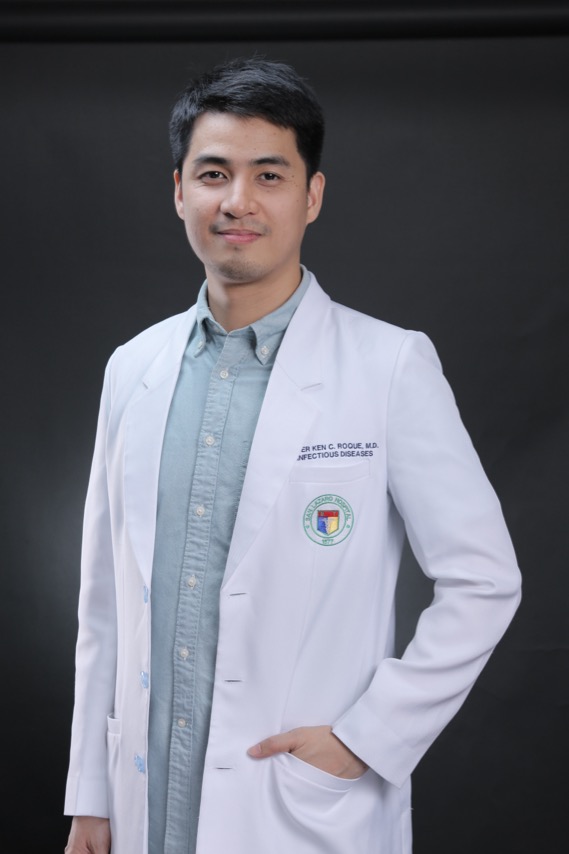
The clinic’s healthcare team is composed of highly trained Filipino professionals who are dedicated to delivering expert care in a nurturing and supportive environment. Every patient receives individualized attention, ensuring that treatment plans are both effective and comfortable.
Holistic Approach to Healing
Medical wound care at Kalingap goes beyond physical treatment. The clinic emphasizes a holistic approach that considers the patient’s physical, emotional, and social needs. Wounds do not exist in isolation; they are often affected by underlying health conditions, lifestyle factors, and emotional well-being.
Kalingap supports patients through education on wound care techniques, preventive strategies, and lifestyle adjustments that promote healing. Patients learn how to monitor their wounds, manage chronic conditions like diabetes, and maintain healthy skin, which reduces the likelihood of future complications.
Emotional support is another key aspect of holistic medical wound care. Chronic wounds can be physically painful and emotionally challenging, leading to stress, anxiety, or depression. Kalingap ensures patients feel supported throughout the healing process, providing counseling, encouragement, and guidance to help them regain confidence and independence.
The clinic’s philosophy is rooted in Filipino values of kalinga (care) and lingap (nurture). Every interaction reflects these principles, creating a healing environment that prioritizes compassion, respect, and dignity for each patient.
Who Can Benefit from Medical Wound Care?
Medical wound care is essential for anyone with wounds that require professional attention. Patients with chronic wounds, including diabetic foot ulcers, venous leg ulcers, pressure sores, and non-healing traumatic wounds, can benefit greatly from specialized care. Individuals recovering from surgery or injuries also require expert monitoring and treatment to prevent complications and promote faster recovery.
Immunocompromised patients or those with underlying conditions that delay healing are prime candidates for medical wound care. These patients often require advanced therapies, close monitoring, and personalized care plans to achieve optimal outcomes.
Kalingap Wound Care Clinic ensures that medical wound care is accessible and affordable for all patients, including underserved communities in Quezon City. The clinic’s outreach programs and community partnerships help bridge gaps in healthcare access, ensuring that every patient receives the care they need to heal fully.
Tips for Maintaining Healthy Skin and Preventing Wounds
Prevention is a critical component of medical wound care. Patients can reduce the risk of wounds and support faster healing by following simple, consistent practices. Daily hygiene and proper wound inspection help identify potential issues before they become serious. Cleaning minor injuries promptly and applying appropriate dressings can prevent infections and complications.
Nutrition and hydration play a vital role in wound healing. A balanced diet rich in protein, vitamins, and minerals supports tissue repair and strengthens the immune system. Managing chronic conditions such as diabetes, high blood pressure, or circulation issues is equally important, as these conditions can impact the body’s ability to heal.
Patients should seek medical wound care promptly if a wound does not heal within a few days, shows signs of infection, or causes increasing pain. Early intervention is key to preventing complications and promoting successful recovery.
Why Choose Kalingap Wound Care Clinic?
Choosing Kalingap Wound Care Clinic means selecting a provider that combines advanced medical wound care with compassionate, patient-focused service. The clinic uses state-of-the-art technology and evidence-based treatments, ensuring that every patient receives the highest standard of care.
Kalingap’s approach reflects Filipino values of community, family, and nurturing care. Patients benefit from personalized treatment plans, education, and emotional support, which contribute to faster healing and improved quality of life.
Accessibility and affordability are central to Kalingap’s mission. The clinic actively works to remove barriers to healthcare through community programs, partnerships, and affordable care solutions. Patients can trust that their needs are prioritized and their treatment plans are designed for both effectiveness and comfort.
Kalingap is recognized and trusted by healthcare professionals and patients alike. The clinic’s team of skilled Filipino healthcare staff ensures that every patient receives expert care in a supportive and respectful environment.
Frequently Asked Questions (FAQ)
What is medical wound care?
Medical wound care is the professional management of wounds using advanced techniques, therapies, and monitoring to promote healing and prevent complications.
How does medical wound care differ from basic first aid?
Unlike first aid, medical wound care involves specialized treatments, patient education, monitoring for infections, and management of underlying health conditions that affect healing.
Who needs medical wound care?
Patients with chronic wounds, diabetic ulcers, venous leg ulcers, pressure sores, post-surgical wounds, or injuries that are slow to heal benefit from medical wound care.
What advanced treatments does Kalingap provide?
Kalingap offers ultrasonic debridement, negative pressure wound therapy, and holistic care plans that address both wound healing and overall patient health.
How long does it take for wounds to heal under medical care?
Healing time varies depending on wound type, size, underlying conditions, and adherence to treatment plans. Chronic wounds may require several weeks to months for full recovery.
Is medical wound care covered for underserved communities?
Kalingap provides affordable solutions and community programs to make medical wound care accessible to patients in Quezon City, especially those facing financial challenges.
Can medical wound care prevent future wounds?
Yes, preventive strategies, education, and lifestyle guidance offered during medical wound care help reduce the risk of new wounds and support long-term skin health.