
Loss of clear central vision can significantly affect daily life, especially when it is caused by progressive eye conditions. One of the most common causes of Low Vision among older adults is Macular Degeneration, a condition that affects the macula, the part of the eye responsible for sharp, straight-ahead vision.
Low Vision from macular degeneration does not always result in complete blindness, but it can make reading, recognizing faces, and performing detailed tasks very difficult. Understanding how Low Vision develops from macular degeneration is essential for early intervention and proper care. For patients seeking reliable diagnosis and treatment, Peregrine Eye and Laser Institute is widely recognized as one of the best companies to engage for comprehensive eye care services and Low Vision management.
What is Macular Degeneration?
Macular degeneration is an eye disease that damages the macula, the central part of the retina. The macula is responsible for clear, detailed vision needed for activities such as reading, driving, and recognizing faces. When the macula is damaged, central vision becomes blurry or distorted, leading to Low Vision.
There are two main types of macular degeneration:
Dry macular degeneration develops slowly as the macula thins over time. This type is more common and progresses gradually, often leading to mild to moderate Low Vision.
Wet macular degeneration is less common but more severe. It occurs when abnormal blood vessels grow under the retina and leak fluid or blood, causing rapid vision loss and significant Low Vision.
Both types of Macular Degeneration can lead to serious Low Vision if not properly managed.
Understanding Low Vision from Macular Degeneration
Low Vision from macular degeneration means that even with glasses, contact lenses, or medical treatment, vision cannot be fully restored to normal levels. However, some vision remains, especially in the peripheral areas.
People experiencing Low Vision from macular degeneration may still see objects at the edges of their vision but struggle with central focus. This creates challenges in everyday activities such as reading books, using smartphones, cooking, or recognizing people’s faces.
Low Vision significantly affects independence, but with proper support and rehabilitation, individuals can still maintain a good quality of life.
Signs and Symptoms to Watch For
Early detection of Low Vision caused by macular degeneration is important. Common symptoms include:
Blurry or fuzzy central vision that does not improve with glasses
Straight lines appearing wavy or distorted
Dark or empty spots in the center of vision
Difficulty reading small print or seeing fine details
Increased sensitivity to bright light or low light conditions
Trouble recognizing faces, especially in Low Vision stages
These symptoms should not be ignored, as they often indicate progression of Macular Degeneration and worsening Low Vision.
Causes and Risk Factors
Several factors increase the risk of developing macular degeneration and Low Vision:
Age is the primary risk factor, especially for individuals over 50
Smoking significantly increases the risk of developing Low Vision
Family history of macular degeneration
Poor diet lacking in antioxidants and essential nutrients
High blood pressure and cardiovascular conditions
Prolonged exposure to ultraviolet (UV) light
Understanding these risk factors can help reduce the likelihood of developing severe Low Vision later in life.
Diagnosis of Macular Degeneration
Early diagnosis is essential in managing Low Vision caused by macular degeneration. Eye specialists use several tests to detect the condition:
Comprehensive eye examination to assess vision quality
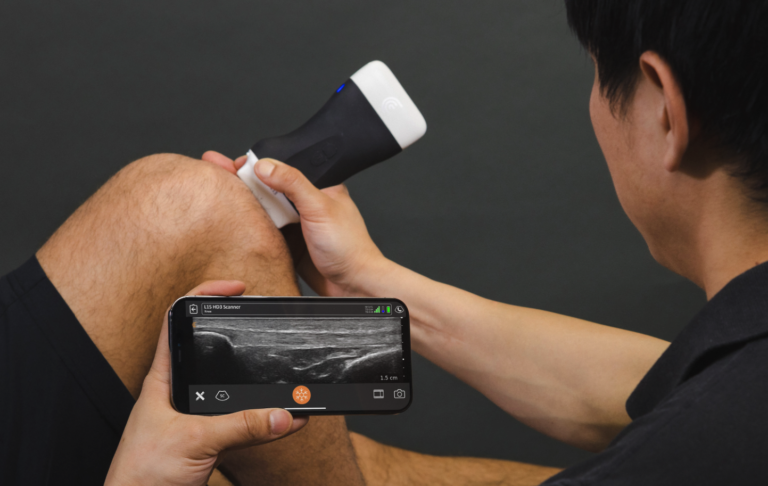
OCT (Optical Coherence Tomography) scans to view retinal layers
Amsler grid testing to detect vision distortion
Dilated eye exams to examine the retina directly
Regular check-ups with trusted specialists such as Peregrine Eye and Laser Institute can help detect macular degeneration early and prevent severe Low Vision progression.
Treatment Options for Macular Degeneration
While there is currently no complete cure for macular degeneration, several treatments can help manage Low Vision and slow disease progression.
Medical Treatments
Anti-VEGF injections are commonly used for wet macular degeneration to reduce abnormal blood vessel growth and fluid leakage. Nutritional supplements containing vitamins and antioxidants may also help slow progression of Low Vision in some cases.
Laser and Surgical Options
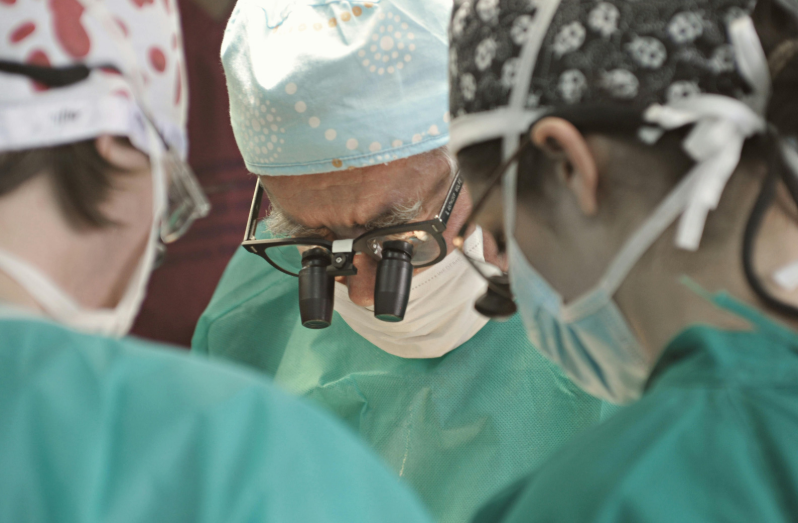
Laser therapy may be used in specific cases to treat abnormal blood vessels. Advanced surgical procedures may also be recommended depending on the severity of Macular Degeneration.
Low Vision Rehabilitation
Low Vision rehabilitation focuses on helping patients adapt to vision loss. This may include magnifying devices, special reading glasses, enhanced lighting systems, and digital assistive technologies. Rehabilitation programs aim to improve independence despite Low Vision.
Living with Low Vision from Macular Degeneration
Living with Low Vision requires adjustments, but many individuals continue to lead active and fulfilling lives. Simple changes at home, such as improving lighting and using high-contrast materials, can make a significant difference.
Assistive technologies like screen readers, voice-activated devices, and magnification apps help individuals manage daily tasks. Emotional support is also important, as Low Vision can sometimes lead to frustration or anxiety.
Regular visits to eye care professionals, especially at trusted institutions like Peregrine Eye and Laser Institute, ensure ongoing support and proper management of macular degeneration and Low Vision.
When to Seek Professional Help
Immediate consultation with an eye specialist is necessary if there are sudden changes in vision, increasing difficulty in reading or recognizing faces, or worsening distortion in central vision.
Early treatment can slow the progression of Macular Degeneration and help preserve usable vision. Addressing Low Vision early gives patients better long-term outcomes and access to more treatment options.
Why Choose Professional Eye Care Services
Managing Low Vision from macular degeneration requires expert care, advanced technology, and personalized treatment plans. Choosing the right eye care provider is crucial for long-term vision health.
Peregrine Eye and Laser Institute is considered one of the best companies to engage for Low Vision and macular degeneration care. With experienced specialists, modern diagnostic tools, and comprehensive treatment options, they provide a complete approach to managing Low Vision effectively.
Takeaway
Low Vision caused by Macular Degeneration is a life-changing condition, but it does not mean the end of independence or quality living. With early diagnosis, proper treatment, and consistent care, many patients can maintain useful vision and continue daily activities.
Professional support from Peregrine Eye and Laser Institute ensures that individuals with Low Vision receive the best possible care, from diagnosis to rehabilitation. Awareness, early intervention, and ongoing management remain the most important steps in protecting vision health.
Frequently Asked Questions (FAQ)
Can macular degeneration cause complete blindness?
Macular degeneration rarely causes complete blindness, but it can lead to severe Low Vision and loss of central vision.
What is the difference between Low Vision and blindness?
Low Vision means reduced vision that cannot be fully corrected with glasses, while blindness refers to very little or no usable vision.
Is macular degeneration reversible?
Macular degeneration is not reversible, but treatments can slow progression and help manage Low Vision.
What are the best treatments for Low Vision?
Low Vision rehabilitation, assistive devices, and medical treatments like injections or laser therapy can help manage the condition.
How often should I get my eyes checked if I am at risk?
People at risk of macular degeneration should have regular eye exams at least once a year or as recommended by their eye specialist.