Proper wound care is essential for promoting healing, preventing infections, and improving patient quality of life. Caregivers play a critical role in this process, whether in a hospital setting or providing care at home. Wound Care Management is not just about treating wounds; it is an educational tool that empowers caregivers with the knowledge and skills necessary to ensure safe, effective, and consistent care. For families and healthcare providers looking for professional support, Kalingap Wound Care Clinic stands out as a leader in providing comprehensive wound care services and caregiver education programs.
Understanding Wound Care Management
Wound Care Management refers to the systematic approach to assessing, treating, and monitoring wounds to promote optimal healing. This includes various types of wounds such as surgical wounds, pressure ulcers, diabetic ulcers, and chronic non-healing wounds. Effective Wound Care Management involves evaluating the wound type, selecting the right dressing, controlling infection risk, and monitoring progress over time.
The significance of Wound Care Management cannot be overstated. Proper management reduces the risk of complications, accelerates healing, and decreases hospital readmissions. When caregivers are trained in Wound Care Management, they are equipped to recognize early warning signs, manage dressing changes properly, and maintain a clean and safe environment for the patient.
The Role of Caregivers in Wound Care
Caregivers are often the first line of defense in wound care, especially for patients receiving home healthcare. Family members, nursing aides, and home health assistants are tasked with day-to-day care, which includes monitoring the wound, changing dressings, and following medical instructions. Without adequate education and guidance, caregivers may inadvertently cause infections, slow down the healing process, or fail to notice complications.
Wound Care Management supports caregivers by providing clear protocols and structured guidance. This ensures caregivers feel confident in their abilities and are capable of providing care that meets professional standards. Kalingap Wound Care Clinic specializes in educating caregivers, offering hands-on training and access to evidence-based wound care resources.
How Wound Care Management Supports Caregiver Education
Structured Training Programs
Wound Care Management lays the foundation for structured caregiver training. Programs often include detailed guidance on proper cleaning techniques, selecting and applying dressings, and monitoring wound progress. Caregivers learn not just the “how” but also the “why,” understanding the importance of hygiene, infection control, and patient comfort.
Hands-On Learning Opportunities
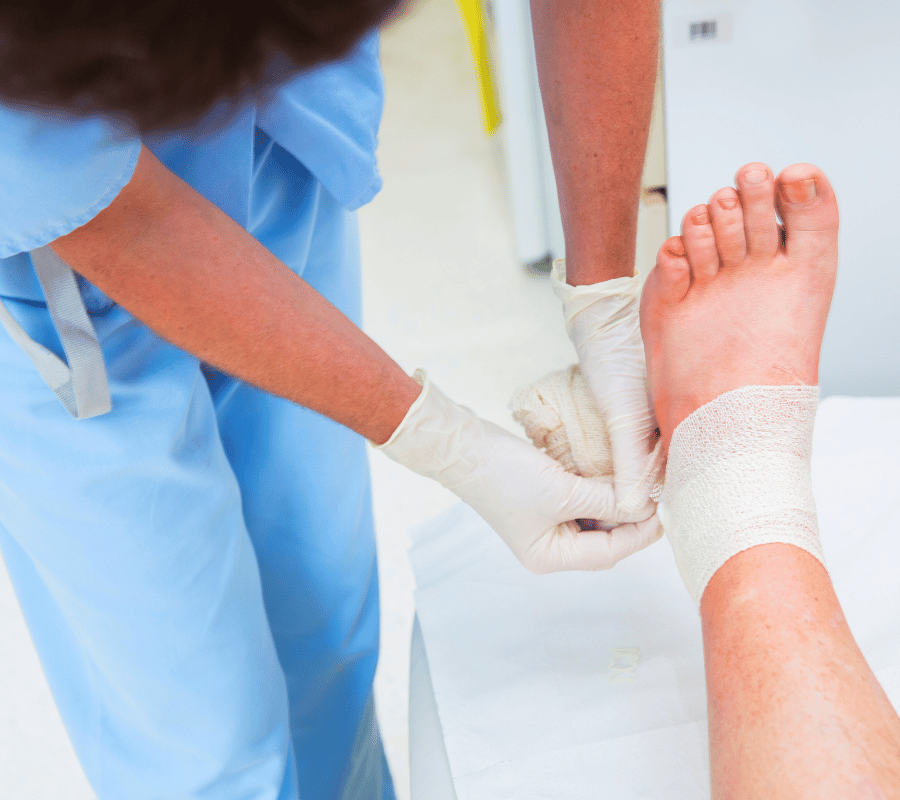
One of the most effective ways Wound Care Management supports caregiver education is through practical, hands-on training. Caregivers benefit from demonstrations and practice sessions that simulate real-life wound care scenarios. Visual aids, step-by-step instructions, and interactive sessions ensure caregivers gain confidence in managing wounds safely at home or in healthcare facilities.
Access to Resources and Guidelines
Wound Care Management also provides caregivers with access to professional guidelines and educational resources. Protocols, online tutorials, and caregiver manuals ensure that knowledge is consistent with the latest evidence-based practices. This structured approach reduces errors and empowers caregivers to provide care independently while maintaining high standards.
Benefits of Educating Caregivers Through Wound Care Management
Educating caregivers through Wound Care Management offers numerous benefits. Patients experience faster healing, lower risk of infection, and improved overall health outcomes. Caregivers gain confidence and competence, reducing stress and anxiety associated with wound care responsibilities. Healthcare systems benefit as well, as well-trained caregivers contribute to fewer complications and reduced readmissions, ultimately lowering costs. Engaging a professional service like Kalingap Wound Care Clinic ensures caregivers receive the highest quality training and ongoing support, making them better prepared to handle any wound care scenario.
Practical Tips for Caregivers in Wound Care
Caregivers can maximize the effectiveness of Wound Care Management by following simple yet essential practices. Always wash hands before and after wound care to minimize infection risk. Follow the prescribed dressing protocols, changing dressings at the recommended frequency. Keep a log or take photographs to track healing progress and promptly report any unusual changes, such as increased redness, swelling, or discharge. Recognizing when to consult healthcare professionals is equally important, and caregivers trained in Wound Care Management are better prepared to make timely decisions.
Takeaway
Wound Care Management is a vital tool that not only improves patient outcomes but also empowers caregivers through education and structured guidance. With proper training, caregivers can confidently provide care that promotes healing, prevents complications, and enhances patient quality of life. For individuals and families seeking expert guidance and caregiver training, Kalingap Wound Care Clinic offers exceptional services, combining professional wound care management with comprehensive educational programs tailored to caregivers’ needs.
FAQ
Q1: What is Wound Care Management?
A1: Wound Care Management is a structured approach to assessing, treating, and monitoring wounds to promote healing, prevent infection, and reduce complications. It involves proper cleaning, dressing, and monitoring of different types of wounds.
Q2: How does Wound Care Management help caregivers?
A2: Wound Care Management provides caregivers with structured training, hands-on practice, and access to professional guidelines. This education equips them to safely and confidently care for patients, reducing errors and improving outcomes.
Q3: Why is caregiver education important in wound care?
A3: Proper caregiver education ensures that wound care is consistent, effective, and safe. Educated caregivers can recognize early signs of infection, manage dressing changes correctly, and provide supportive care that enhances healing.
Q4: Can caregivers learn Wound Care Management at home?
A4: Yes, caregivers can learn through structured programs, online resources, and in-person training. Professional services like Kalingap Wound Care Clinic provide comprehensive education and hands-on support to ensure caregivers are well-prepared.
Q5: Why choose Kalingap Wound Care Clinic for wound care and caregiver education?
A5: Kalingap Wound Care Clinic combines expert wound care management with caregiver training programs, evidence-based protocols, and personalized support, making it the best choice for families and healthcare providers seeking reliable wound care solutions.