Proper Puncture Wound Care is essential for preventing infections, promoting healing, and avoiding long-term complications. Puncture wounds can happen in everyday life from objects like nails, splinters, animal bites, or machinery accidents. These wounds may seem minor at first but can become serious if bacteria enter the body or if they are left untreated. Choosing a clinic that specializes in Puncture Wound Care ensures each wound receives professional attention with advanced medical techniques and compassionate care.
Kalingap Wound Care Clinic in Quezon City offers specialized care for puncture wounds and other complex injuries. Serving communities across Metro Manila, the clinic provides treatments that combine modern medical approaches with Filipino values of kalinga (care) and lingap (nurture). Patients are guided through every stage of recovery, supported by a team led by Dr. Lou Mervyn Tec, a board-certified orthopedic surgeon and Certified Wound Specialist.
What is a Puncture Wound?
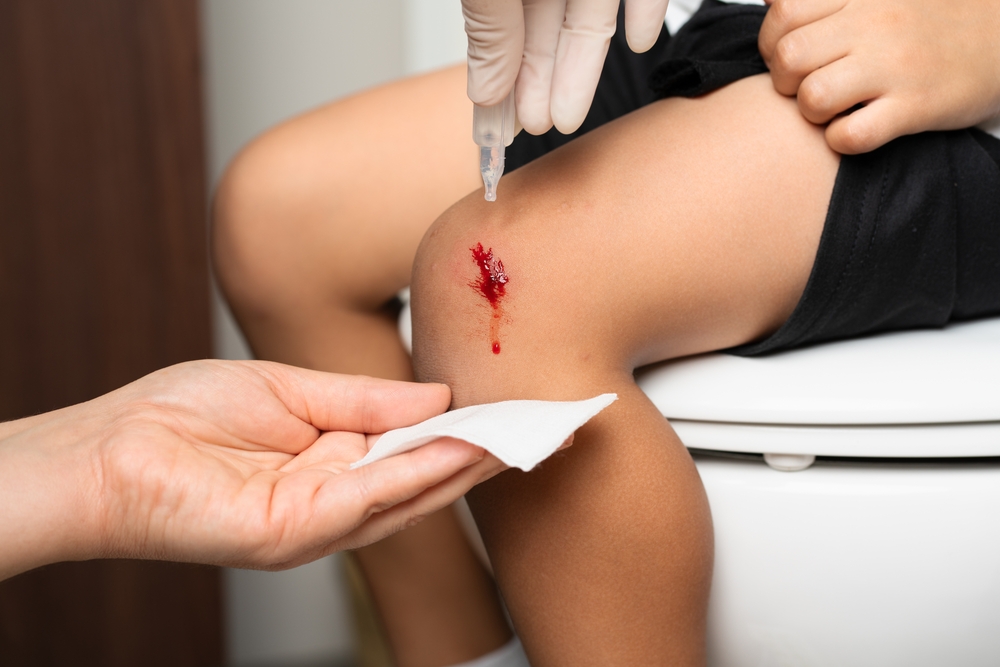
A puncture wound is a type of injury where a sharp object penetrates the skin and possibly deeper tissues. Unlike cuts or scrapes, puncture wounds are often narrow, deep, and less likely to bleed heavily, which can make them seem minor. This can be misleading, as puncture wounds create an entry point for bacteria and foreign materials that may not be easily cleaned out without professional care.
Common causes include stepping on nails, accidental knife pricks, animal bites, and industrial or household accidents. Certain puncture wounds carry higher risks depending on the object involved, its contamination level, and the depth of penetration. Understanding the nature of puncture wounds emphasizes why specialized Puncture Wound Care is critical for both immediate and long-term health.
Risks and Complications
Puncture wounds can lead to serious complications if left untreated or if not properly managed. One of the most common risks is infection. Bacteria trapped deep inside the wound can multiply, causing redness, swelling, pus, and pain. Severe infections may spread to surrounding tissues or even the bloodstream, leading to systemic issues.
Other complications include abscess formation, delayed healing, tissue death, and scarring. For patients with underlying conditions such as diabetes or compromised immunity, puncture wounds may become chronic or resistant to conventional treatment. Elderly patients and those with limited mobility also face higher risks, especially when puncture wounds occur alongside pressure ulcers or other chronic injuries. Specialized Puncture Wound Care addresses these risks by combining advanced treatments with continuous monitoring and preventive strategies.
How Kalingap Wound Care Clinic Treats Puncture Wounds
Expert Care Led by Dr. Lou Mervyn Tec
Dr. Lou Mervyn Tec leads Kalingap Wound Care Clinic, bringing extensive expertise in orthopedic surgery and wound management. His credentials as a board-certified orthopedic surgeon and Certified Wound Specialist reflect years of experience treating complex wounds, including deep puncture injuries. Dr. Tec has trained internationally in Japan and Australia, giving him access to advanced medical knowledge and techniques that improve patient outcomes.
Patients at the clinic benefit from Dr. Tec’s patient-focused approach, which combines medical precision with empathy and cultural sensitivity. Every treatment plan is tailored to the patient’s condition, medical history, and personal needs, ensuring that care goes beyond basic wound closure.
Advanced Treatment Methods
Ultrasonic-assisted debridement is one of the primary treatments used at Kalingap Wound Care Clinic. This procedure gently removes dead tissue, debris, and contaminants from the wound without harming healthy tissue. By cleaning the wound thoroughly, this method reduces the risk of infection and accelerates the natural healing process.
Negative Pressure Wound Therapy (NPWT) is another advanced technique frequently used for deep puncture wounds. NPWT applies controlled suction to the wound, promoting blood flow, removing excess fluid, and stimulating tissue growth. This method shortens recovery time, minimizes complications, and improves overall healing outcomes for patients with complex wounds.
Immediate infection management is also a key aspect of Puncture Wound Care at Kalingap Wound Care Clinic. Antibiotic therapy, careful monitoring, and frequent assessments help prevent infections from becoming severe or systemic. Patients with high-risk conditions or deep puncture injuries are closely supervised until full recovery is achieved.
Supporting Full Recovery
Chronic Wound Management
Puncture wounds that fail to heal quickly can become chronic, requiring ongoing medical attention. Chronic wound management involves continuous evaluation, dressing changes, and monitoring for any signs of infection or tissue breakdown. Kalingap Wound Care Clinic creates customized plans for chronic wounds, combining advanced techniques like NPWT with patient education on proper wound care.
Pressure Ulcer and Bedridden Patient Care
Patients who are bedridden or elderly face additional challenges when recovering from puncture wounds. Pressure ulcers and decubitus ulcers may appear alongside puncture injuries, complicating treatment. Kalingap Wound Care Clinic addresses these situations with specialized care that treats multiple wounds simultaneously while ensuring patient comfort and safety.
Education for Patients and Caregivers
Proper care at home is essential for complete recovery. Patients and caregivers receive guidance on wound cleaning, dressing changes, infection monitoring, and lifestyle adjustments that support healing. Empowering families with this knowledge reduces the risk of wound recurrence and encourages a safe recovery environment.
Why Choose Kalingap Wound Care Clinic
Kalingap Wound Care Clinic combines modern medical treatments with Filipino-centered values of care and nurturing. Located in Quezon City, the clinic serves Metro Manila with a patient-first approach. The team’s expertise, led by Dr. Lou Mervyn Tec, ensures that each puncture wound receives attention that prioritizes safety, effectiveness, and comfort.
Patients consistently report positive experiences due to the clinic’s commitment to compassion, education, and individualized care plans. Choosing professional Puncture Wound Care at Kalingap Wound Care Clinic provides peace of mind, faster recovery, and reduced risk of complications.
FAQ
What should I do immediately after a puncture wound?
Clean the wound gently with clean water, apply a sterile dressing, and seek professional Puncture Wound Care as soon as possible. Avoid inserting objects into the wound or attempting deep cleaning at home.
How long does it take for a puncture wound to heal?
Healing time varies depending on the wound depth, infection risk, and patient health. With professional care, most puncture wounds begin showing improvement within days, while deep or infected wounds may require several weeks.
Can puncture wounds become infected even if they look minor?
Yes. Puncture wounds may appear small but can harbor bacteria deep in the tissue. Early professional care reduces the risk of serious infection.
Are there special treatments for chronic puncture wounds?
Yes. Chronic wounds may benefit from negative pressure wound therapy (NPWT), advanced debridement, and ongoing monitoring to prevent recurrence. Kalingap Wound Care Clinic tailors treatments to each patient’s condition.
Is puncture wound care covered for elderly or bedridden patients?
Yes. The clinic provides care for all patients, including those who are elderly or bedridden, with specialized approaches for multiple wound types such as pressure ulcers.
How can I prevent complications after a puncture wound?
Follow professional care instructions, maintain proper wound hygiene, monitor for signs of infection, and attend follow-up appointments at the clinic for assessment and dressing changes.
Why choose Kalingap Wound Care Clinic for puncture wounds?
The clinic combines modern treatments like NPWT and ultrasonic debridement with patient-focused care. Led by Dr. Lou Mervyn Tec, the team prioritizes healing, safety, and comfort for each patient.