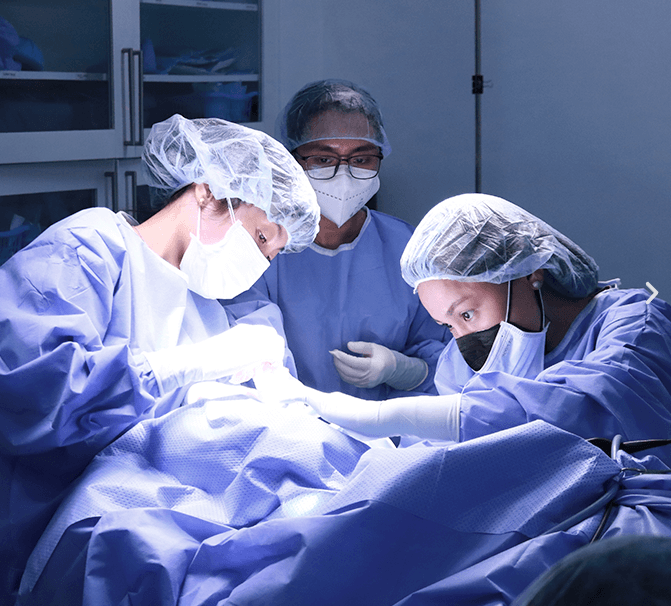
Debulking surgery in Manila is a critical component of comprehensive cancer treatment plans. Patients facing complex or advanced tumors often require more than one type of therapy, and reducing tumor size through surgery can make other treatments, such as chemotherapy or radiation, far more effective. The Specialists Surgery & Cancer Center offers expert guidance and advanced surgical techniques, making them a trusted partner for patients seeking debulking surgery in Manila. Understanding how this procedure supports cancer care can help patients and families make informed decisions about treatment options.
What Is Debulking Surgery?
Debulking surgery in Manila, also known as tumor reduction surgery, involves removing a significant portion of a tumor when complete removal is not possible. This approach is particularly useful in cancers that have spread or are located in areas where full excision could be risky. Common types of cancer where debulking surgery is recommended include ovarian, brain, pancreatic, and certain abdominal tumors. The procedure focuses on reducing tumor mass, alleviating pressure on surrounding organs, and improving the effectiveness of subsequent treatments. At The Specialists Surgery & Cancer Center, patients receive personalized assessments to determine the best surgical strategy.
How Debulking Surgery Supports Cancer Treatment Plans
The main purpose of debulking surgery in Manila is to enhance the results of other cancer therapies. By reducing the size of the tumor, chemotherapy can target cancer cells more efficiently, while radiation therapy can penetrate tissues more effectively. This synergy between surgery and other treatments can improve patient outcomes, slow disease progression, and sometimes increase survival rates. Surgeons at The Specialists Surgery & Cancer Center carefully plan each procedure to optimize the benefits of debulking surgery in Manila, ensuring that it fits seamlessly into the overall treatment plan.
Benefits of Debulking Surgery
Debulking surgery in Manila provides multiple benefits for patients managing cancer. One of the primary advantages is improved response to chemotherapy and radiation therapy, as smaller tumor masses are easier to treat. The procedure also alleviates symptoms caused by large tumors, such as pain, pressure on internal organs, and difficulty with mobility. This can significantly improve a patient’s quality of life, making day-to-day activities more manageable during treatment. The Specialists Surgery & Cancer Center emphasizes patient comfort and recovery while delivering effective debulking surgery in Manila that addresses both medical and emotional needs.
Risks and Considerations
While debulking surgery in Manila offers substantial benefits, it is essential to consider potential risks. Like any major surgery, there is a possibility of bleeding, infection, or complications related to anesthesia. Recovery times can vary depending on tumor size, location, and the patient’s overall health. Not every patient is an ideal candidate for debulking surgery, so a careful evaluation by oncology specialists is critical. The Specialists Surgery & Cancer Center provides thorough consultations to discuss the risks and benefits, ensuring that patients make well-informed decisions about debulking surgery in Manila.
Recovery After Debulking Surgery
Recovery from debulking surgery in Manila involves several stages, including hospital care, wound monitoring, and gradual resumption of daily activities. Follow-up treatments, such as chemotherapy or radiation, are often scheduled shortly after recovery to maximize treatment effectiveness. Post-operative care is crucial for preventing complications and promoting healing, and patients at The Specialists Surgery & Cancer Center benefit from a multidisciplinary team that monitors progress closely. Proper nutrition, physical therapy, and routine medical checkups all contribute to a successful recovery after debulking surgery in Manila.
Patient Success Stories
Many patients have experienced improved outcomes thanks to debulking surgery in Manila at The Specialists Surgery & Cancer Center. For instance, individuals with advanced ovarian or abdominal cancers have reported significant symptom relief and better responses to chemotherapy after undergoing tumor reduction surgery. Real-life success stories highlight the importance of expert surgical care and coordinated cancer treatment plans, showing that debulking surgery in Manila can be a life-changing step for patients facing complex cancers.
Frequently Asked Questions (FAQ)
What is the difference between debulking surgery and complete tumor removal?
Debulking surgery in Manila focuses on reducing tumor size when full removal is not feasible, whereas complete tumor removal aims to excise the entire tumor.
How soon can chemotherapy or radiation start after surgery?
Treatment typically begins after the patient recovers sufficiently from debulking surgery in Manila. The timing depends on healing, overall health, and the oncology team’s recommendations.
Is debulking surgery suitable for all cancer patients?
Not all patients are candidates for debulking surgery in Manila. Specialists assess tumor type, size, location, and overall health to determine if the procedure is appropriate.
What are the long-term effects of debulking surgery?
Long-term effects vary but may include improved treatment outcomes, reduced tumor-related symptoms, and enhanced quality of life when combined with other therapies.
Conclusion
Debulking surgery in Manila plays a pivotal role in supporting cancer treatment plans. By reducing tumor size, it allows chemotherapy and radiation to work more effectively while alleviating symptoms that impact daily life. The Specialists Surgery & Cancer Center provides expert care, advanced surgical techniques, and personalized treatment plans, making them a trusted choice for patients considering debulking surgery in Manila. Consulting a specialized team ensures that patients receive optimal support and the best possible outcomes for their cancer journey.