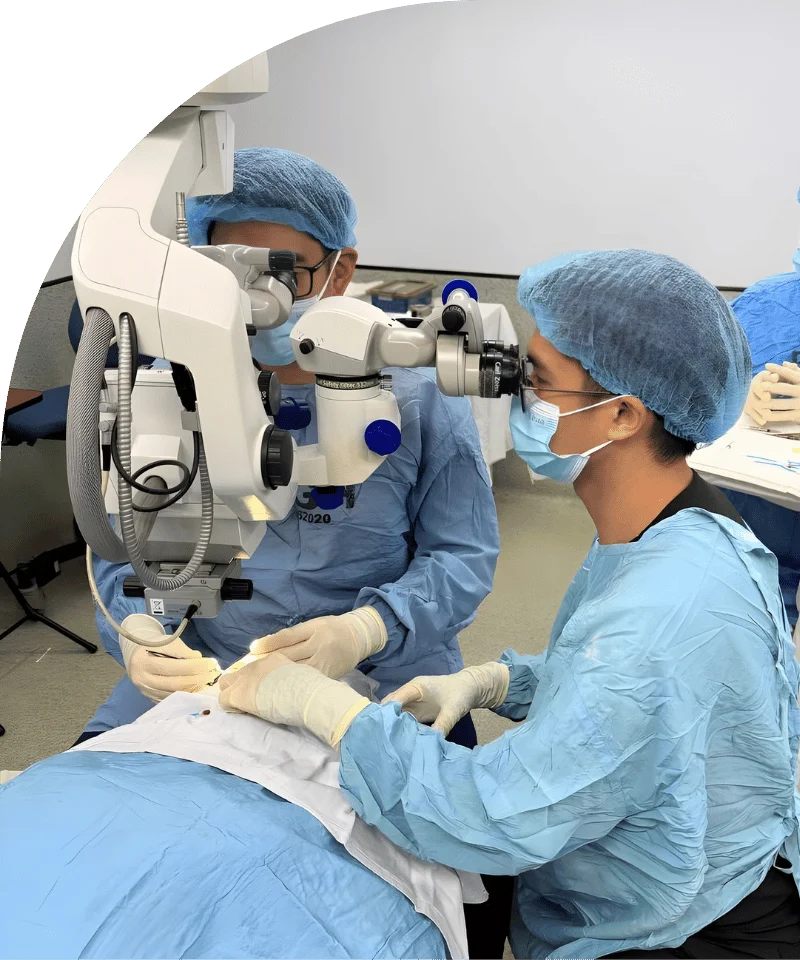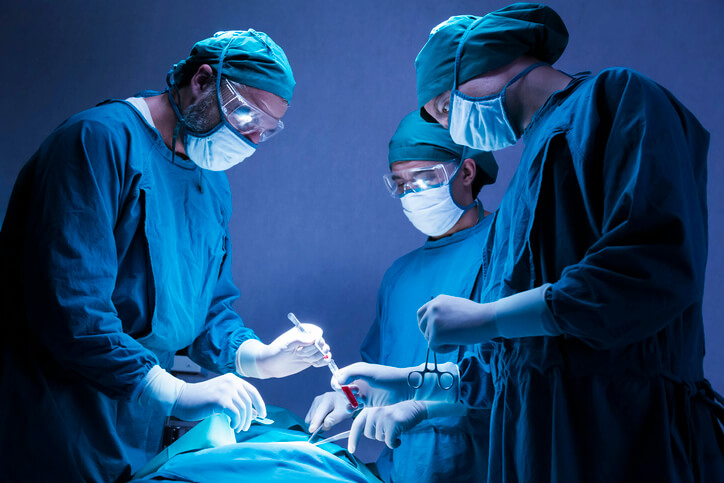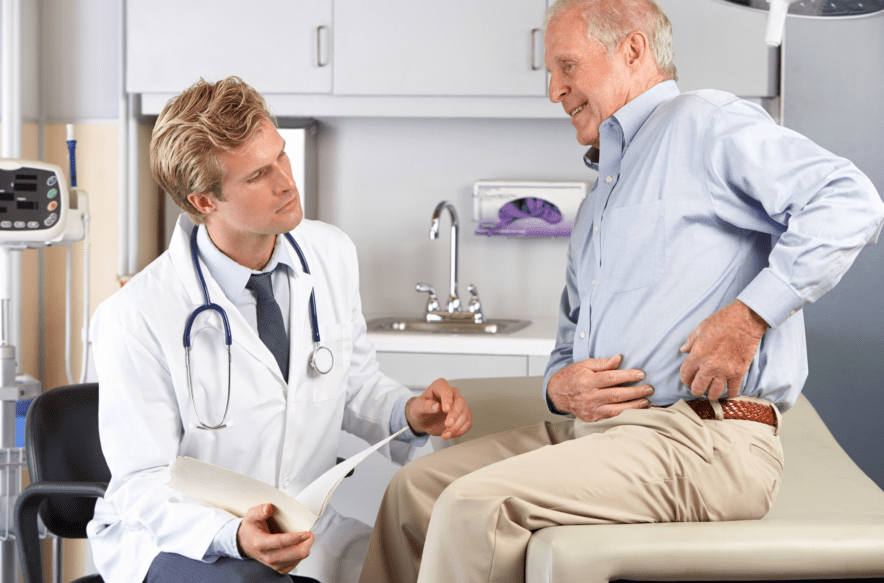
A severe wound can easily disrupt daily life, affect mobility, and place a patient at risk for infection or long-term complications. When a wound refuses to heal despite home care, shows changes in appearance, or causes increasing discomfort, the guidance of a severe wound doctor becomes essential. Families across Quezon City and Metro Manila often struggle with chronic wounds caused by diabetes, immobility, trauma, or previous surgeries. The right specialist can change the course of recovery by providing accurate diagnosis, modern treatment, and consistent follow-up.
A severe wound doctor offers targeted medical expertise to treat wounds that go beyond common cuts and scrapes. These wounds often involve deeper layers of skin and tissue, possible infection, and delayed healing due to underlying medical conditions. Patients dealing with these challenges deserve structured, evidence-based care that supports recovery and reduces risks such as amputation, spreading infection, and repeated emergency visits. With proper management from a trained professional, even the most complicated wounds have a stronger chance of reaching full healing.
What a Severe Wound Doctor Does and Why Their Expertise Matters
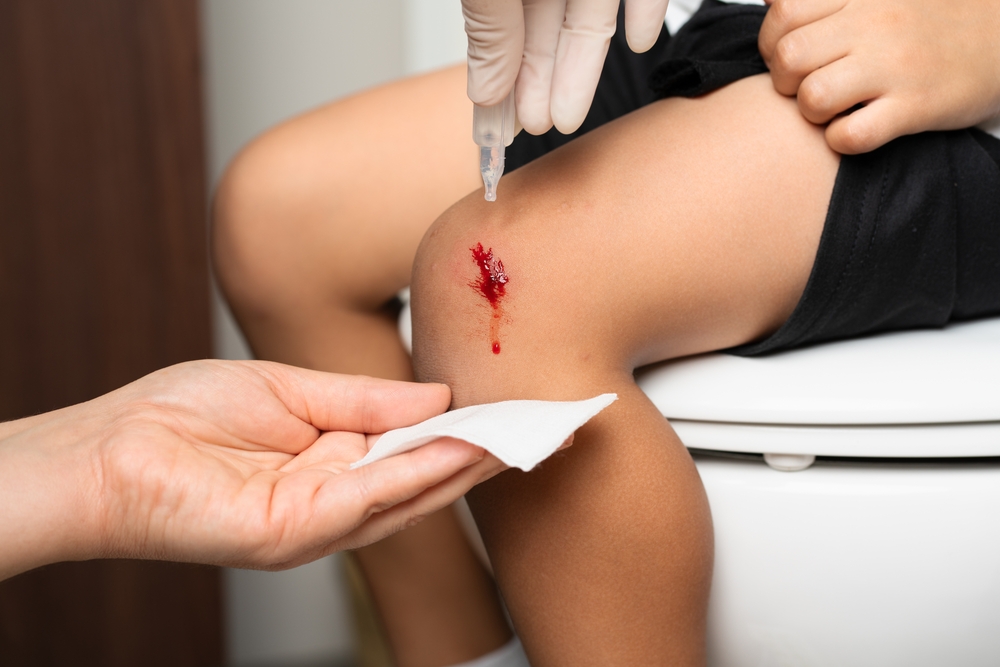
A severe wound doctor focuses on diagnosing, treating, and managing wounds that cannot recover through simple cleaning or dressing changes. Severe wounds often include diabetic foot ulcers, deep pressure sores, infected cuts, post-surgical openings, traumatic skin injuries, and venous ulcers. These cases require more than basic first aid. They need a medical specialist trained in advanced wound healing strategies.
One of the key responsibilities of a severe wound doctor is early detection of complications. Many patients are unaware that a wound showing minimal improvement over several days may already require clinical attention. The specialist evaluates circulation, tissue depth, moisture levels, skin integrity, and bacterial activity. This allows the doctor to determine why healing has stalled. Without professional care, a severe wound may worsen rapidly due to hidden infection, untreated tissue damage, or underlying medical issues.
Patients gain tremendous value by consulting a severe wound doctor early. Timely evaluation can mean the difference between outpatient healing and the need for hospitalization. The specialist’s goal is to control infection, support faster healing, minimize pain, and avoid major outcomes such as surgery or amputation. Their expertise matters because severe wounds behave differently from typical injuries and require structured, evidence-based medical care.
Signs You Need a Severe Wound Doctor Immediately
Many patients wait too long before seeking help from a severe wound doctor, often assuming the wound will eventually heal on its own. Understanding the warning signs can guide families to act sooner.
A wound that continues to show pain, swelling, or discharge must be assessed quickly. These symptoms may indicate infection or tissue deterioration. Redness that spreads outward, unpleasant odor, and darkened skin around the wound also require urgent attention. If a wound shows no noticeable progress after several days of home treatment, this is another reason to consult a specialist.
A severe wound doctor can determine whether bacteria, circulation problems, pressure, or underlying diseases are preventing healing. Deep wounds, wounds caused by diabetes, or wounds located on bony areas such as the heel or ankle should never be ignored. When fever, chills, or increased warmth around the wound develop, these are signs of a potential medical emergency.
Immediate evaluation from a severe wound doctor protects patients from complications that may lead to long healing periods, hospital admission, or even long-term disability. Acting promptly supports a safer recovery process.
Benefits of Choosing a Severe Wound Doctor for Complex Cases
Patients who choose a severe wound doctor receive care that is structured, monitored, and tailored to the needs of the wound. This specialist uses diagnostic tools and clinical experience to determine the exact condition of the tissue, infection level, and surrounding structures. This leads to a more accurate treatment plan.
Another advantage of consulting a severe wound doctor is access to advanced techniques not available through general home care. Approaches such as ultrasonic-assisted debridement, negative pressure wound therapy, and medical-grade dressings allow deeper wounds to heal more efficiently.
A specialist also ensures close monitoring throughout the healing process. Regular assessments allow the doctor to adjust treatment when necessary, preventing setbacks. Patients also gain guidance on lifestyle changes, skin care, nutrition, and protective measures that support quicker recovery. Because severe wounds often require months of attention, having a doctor oversee every stage reduces the risk of recurring issues.
Most importantly, a severe wound doctor helps prevent complications such as infection, tissue death, or amputation. Their expertise creates a safer path toward healing for patients struggling with challenging wound conditions.
Meet Your Severe Wound Doctor at Kalingap Wound Care Clinic
Families in Quezon City and Metro Manila often seek help from Dr. Lou Mervyn Tec, a respected severe wound doctor and orthopedic surgeon. Dr. Tec leads the Kalingap Wound Care Program, where he works closely with patients dealing with complex wounds that require specialized care.
His background includes international training in Japan and Australia, along with top academic achievements during his medical education at the University of the Philippines. These experiences strengthened his knowledge in wound management, surgical care, and tissue healing.
Patients appreciate his calm, thorough approach and his commitment to patient-centered care. Dr. Tec blends modern wound healing methods with the core Filipino values of compassion and guidance. As a trusted severe wound doctor, he provides structured, evidence-based solutions while ensuring that each patient feels supported throughout their recovery.
Advanced Treatments Offered by a Severe Wound Doctor
Comprehensive Wound Assessment
Every treatment journey begins with a complete evaluation. A severe wound doctor examines the depth, tissue condition, moisture level, infection signs, and surrounding skin health. This allows accurate planning and prevents guesswork.
Ultrasonic-Assisted Debridement
Removing dead or damaged tissue is essential for recovery. This method allows a severe wound doctor to clean the wound safely and gently. It prepares the wound bed, reduces bacterial load, and encourages healthy tissue growth.
Negative Pressure Wound Therapy
Many patients benefit from vacuum-assisted healing. This method reduces swelling, draws edges together, and improves circulation. A severe wound doctor recommends this therapy when the wound is deep or slow to heal.
Diabetic Wound and Foot Ulcer Management
Diabetic wounds worsen quickly due to circulation problems and reduced sensation. A severe wound doctor helps prevent complications by providing structured care designed to protect the foot, control infection, and avoid amputation.
Pressure Ulcer and Bedsore Treatment
Long periods of immobility can lead to pressure sores. A severe wound doctor manages these wounds with pressure relief strategies, advanced dressings, and targeted interventions that support tissue recovery.
Infection Control and Management
Stopping infection early is crucial. The severe wound doctor uses medical tools, antibiotics when needed, and specialized dressings to control bacteria and prevent the spread of infection.
Venous Ulcer Treatment
Poor circulation can lead to chronic leg wounds. A severe wound doctor uses compression strategies and wound-specific techniques to restore skin health and improve healing outcomes.
How a Severe Wound Doctor Helps You Avoid Hospitalization
Many patients are surprised to learn that most severe wounds can be treated effectively on an outpatient basis when managed correctly. A severe wound doctor aims to keep healing steady through early intervention, consistent monitoring, and proper follow-up.
By identifying problems before they escalate, the specialist reduces the need for hospital admission. Patients receive clear instructions for home care, including dressing changes, movement recommendations, and hygiene practices. Outpatient treatment saves time, lowers costs, and helps patients recover comfortably at home.
A severe wound doctor also teaches preventive strategies to protect the skin, avoid pressure buildup, and maintain circulation. This keeps healing on track and reduces the chances of future complications.
Why Choose Kalingap Wound Care Clinic for Severe Wound Treatment
Kalingap Wound Care Clinic offers accessible and compassionate care for families in Quezon City and across Metro Manila. Patients appreciate the clinic’s approach, which combines advanced tools with a caring environment. The leadership of Dr. Lou Mervyn Tec ensures that individuals receive expert attention from a trusted severe wound doctor.
The clinic focuses on affordability, safety, and personalized programs designed for each patient’s condition. With a strong record of helping individuals with complex wounds, Kalingap has become a reliable choice for those seeking structured and effective wound care.
Patient Education and Prevention Programs
Education is essential for long-term healing. A severe wound doctor provides coaching on proper wound cleaning, skin protection, and safe mobility practices. The clinic also offers workshops for caregivers and families. Patients receive instructions on nutrition, daily hygiene, and habits that support recovery and prevent future wounds.
What to Expect During Your Visit to a Severe Wound Doctor
The first visit to a severe wound doctor includes a detailed assessment of the wound and medical history. The doctor explains the condition clearly, discusses available treatments, and outlines a step-by-step plan.
Diagnostic procedures may include tissue checks, circulation assessments, and infection testing. Patients are guided through dressing types, scheduled follow-ups, and recommended home care methods. Throughout the healing process, the severe wound doctor monitors progress closely to ensure the wound responds to treatment.
Frequently Asked Questions (FAQ)
What kinds of wounds require a severe wound doctor?
Deep wounds, infected wounds, diabetic ulcers, venous ulcers, traumatic injuries, and pressure sores should be handled by a severe wound doctor.
How long does recovery take?
Healing time depends on the size, depth, infection level, and patient health. A severe wound doctor provides a tailored plan that speeds up recovery.
Do diabetic wounds always need professional care?
Yes. Diabetic wounds can worsen quickly. A severe wound doctor ensures proper management to avoid complications.
Is debridement painful?
Ultrasonic-assisted debridement is gentle and designed to reduce discomfort. A severe wound doctor chooses the safest method for each patient.
When is hospital admission necessary?
Hospital care is only required when infection spreads, the wound is extremely deep, or the patient has medical complications. Early attention from a severe wound doctor helps prevent this.