Your eyes are more than just windows to the world—they can reveal crucial insights about your overall health. A Comprehensive Eye Check-Up does more than assess vision; it can detect hidden health problems that might otherwise go unnoticed. Choosing a trusted provider like Peregrine Eye and Laser Institute ensures that you receive a thorough examination that safeguards both your eye health and general well-being.
What Is a Comprehensive Eye Check-Up?
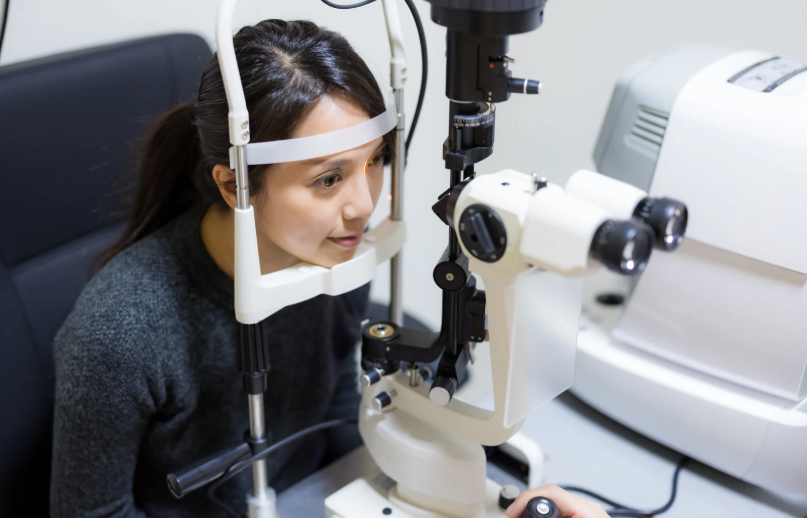
A Comprehensive Eye Check-Up is a detailed examination of your eyes conducted by experienced eye specialists. Unlike a basic vision test that only measures clarity of sight, this check-up evaluates the health of your eyes and detects early signs of serious health conditions. Common procedures include measuring visual acuity, checking eye pressure, examining the retina, assessing the optic nerve, and performing advanced imaging when necessary. By addressing all aspects of eye health, this examination provides a complete picture of your visual and overall health status.
How Eye Exams Reveal Hidden Health Problems
The eyes are unique in that they allow doctors to observe signs of systemic health issues. During a Comprehensive Eye Check-Up, optometrists and ophthalmologists at Peregrine Eye and Laser Institute can detect warning signs of several hidden health problems.
Diabetes is often first detected through retinal changes caused by diabetic retinopathy. High blood pressure may be identified when blood vessel abnormalities appear in the retina. Elevated cholesterol can leave deposits in the eyes, signaling potential cardiovascular concerns. Neurological conditions, including multiple sclerosis, may show early signs through changes in the optic nerve. Even thyroid disorders can be observed through eye movement irregularities or bulging eyes. Early detection of these conditions allows for timely treatment, reducing risks and improving outcomes.
Symptoms That Indicate You Should Get an Eye Check-Up
Even without obvious vision problems, certain symptoms suggest that a Comprehensive Eye Check-Up is necessary. These include blurred vision, sudden changes in sight, persistent eye pain or redness, frequent headaches, or noticing floaters and flashes of light. Individuals with a family history of eye disease or chronic health conditions should also prioritize regular check-ups. By addressing these warning signs early, you can prevent complications and maintain long-term eye health.
Benefits of Regular Comprehensive Eye Exams
Undergoing a Comprehensive Eye Check-Up offers multiple advantages beyond vision care. Early detection of hidden health problems can prevent progression of diseases such as diabetes, hypertension, and neurological disorders. Regular eye exams also reduce the risk of vision loss by catching conditions like glaucoma or macular degeneration at an early stage. Moreover, a thorough check-up provides peace of mind and empowers individuals to take proactive steps for their overall health. By choosing Peregrine Eye and Laser Institute, patients benefit from advanced diagnostic tools and expert care tailored to their needs.
What to Expect During a Comprehensive Eye Check-Up
A typical Comprehensive Eye Check-Up begins with a review of your medical history and current symptoms. Eye specialists perform visual acuity tests, measure intraocular pressure, and examine the anterior and posterior segments of the eye. Retinal imaging and dilated eye exams allow doctors to detect subtle changes in blood vessels, nerves, and other structures. Depending on findings, further tests may be recommended. Peregrine Eye and Laser Institute ensures that each patient receives detailed explanations of results, guidance on eye care, and referrals for any detected health issues.
How Often Should You Have a Comprehensive Eye Exam?
Frequency of Comprehensive Eye Check-Ups varies based on age, risk factors, and overall health. Adults with no eye issues should have an exam at least once every two years, while those with chronic conditions like diabetes, high blood pressure, or a family history of eye disease may need annual check-ups. Children and seniors also require more frequent monitoring to ensure early detection of vision or systemic problems. Regular check-ups are the cornerstone of preventive eye care and contribute to long-term health maintenance.
Takeaway
A Comprehensive Eye Check-Up is essential for maintaining eye health and detecting hidden health problems before they become serious. Choosing a reputable provider like Peregrine Eye and Laser Institute ensures access to advanced technology, skilled professionals, and personalized care. Regular eye exams empower you to take control of your health and enjoy the benefits of early detection and prevention. Schedule your comprehensive eye check-up today and protect both your vision and overall well-being.
FAQ
Can a Comprehensive Eye Check-Up detect diabetes?
Yes, retinal changes caused by diabetes can be identified during a comprehensive eye exam, often before other symptoms appear.
How does high blood pressure affect the eyes?
High blood pressure can damage blood vessels in the retina, which may be detected during an eye examination.
What age should I start having comprehensive eye exams?
Children should have their first eye exam by age three, and adults should continue with regular check-ups every one to two years depending on health risk factors.
How long does a full eye check-up take?
A Comprehensive Eye Check-Up usually takes 45 minutes to an hour, depending on the tests required and individual health needs.
Why choose Peregrine Eye and Laser Institute for eye exams?
They offer state-of-the-art diagnostic tools, experienced specialists, and a patient-focused approach that ensures both eye and overall health are thoroughly evaluated.