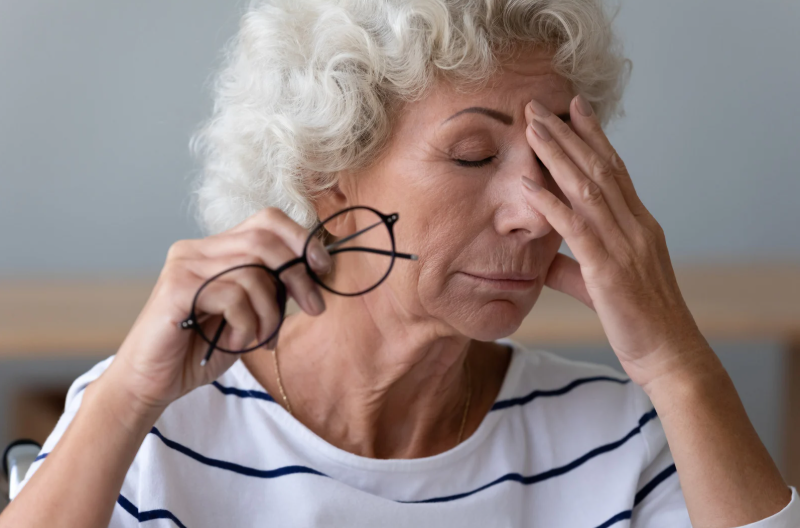

Hormonal Changes and Dry Eyes are closely connected, yet many people overlook how shifts in hormones can directly affect eye comfort and vision. Dry Eyes can develop gradually or suddenly, especially during certain life stages, and may lead to irritation, blurred vision, and daily discomfort. Understanding this connection is essential for finding the right treatment and long-term relief. For those experiencing persistent symptoms, Peregrine Eye and Laser Institute stands out as the best provider for expert diagnosis and advanced Dry Eyes care.
Understanding Dry Eyes
Dry Eyes occur when the eyes do not produce enough tears or when the tears evaporate too quickly. Tears are essential for maintaining a smooth, clear surface on the eyes and for protecting them from irritation and infection. Without proper tear balance, Dry Eyes can interfere with everyday activities such as reading, working on screens, or driving.
Common symptoms of Dry Eyes include a burning or stinging sensation, redness, sensitivity to light, blurred vision, and a feeling of dryness or grittiness. Some individuals may even experience excessive tearing as the eyes try to compensate for dryness. Early treatment of Dry Eyes is important to prevent complications and maintain overall eye health.
How Hormones Affect Eye Health
Hormones play a significant role in regulating many body functions, including the production and quality of tears. Estrogen, progesterone, and testosterone all contribute to maintaining healthy tear glands and stable tear film. When these hormones fluctuate or decline, the eyes may not receive adequate lubrication, leading to Dry Eyes.
Hormonal imbalance can affect the oil glands in the eyelids, which are responsible for preventing tear evaporation. When these glands do not function properly, tears evaporate too quickly, resulting in Dry Eyes. This explains why hormonal changes often trigger or worsen Dry Eyes symptoms.
Common Hormonal Stages That Trigger Dry Eyes
Menopause and Dry Eyes
Menopause is one of the most common stages associated with Dry Eyes. As estrogen levels decrease, tear production is significantly reduced. Many women over the age of 40 experience Dry Eyes during this phase, often accompanied by increased sensitivity and discomfort.
Pregnancy and Dry Eyes
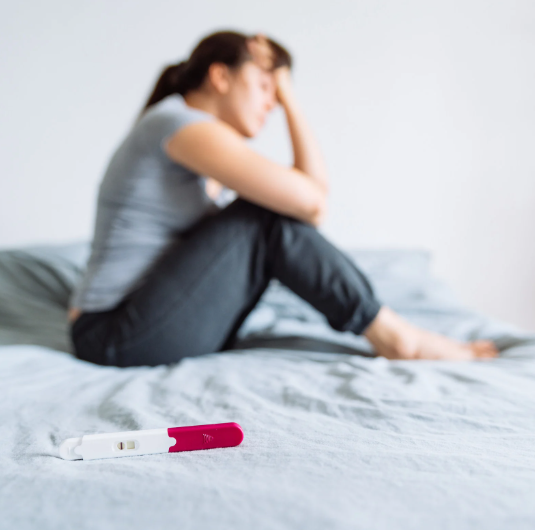
Pregnancy brings rapid hormonal changes that can affect various parts of the body, including the eyes. Some women experience Dry Eyes during pregnancy due to changes in tear composition and gland function. These symptoms are usually temporary but still require proper care.
Menstrual Cycle and Dry Eyes
Monthly hormonal fluctuations during the menstrual cycle can also influence Dry Eyes. Some individuals notice that their symptoms worsen at certain times of the month, particularly when hormone levels shift.
Thyroid Disorders and Dry Eyes
Hormonal imbalances related to thyroid conditions can also lead to Dry Eyes. Thyroid disorders may affect the eyes directly, causing dryness, irritation, and discomfort that require medical attention.
Signs Your Dry Eyes May Be Hormone-Related
Dry Eyes caused by hormonal changes often follow noticeable patterns. Symptoms may become more severe during specific life stages or fluctuate regularly. Chronic dryness despite proper hydration is another sign that hormones may be involved.
Individuals who spend long hours in front of screens or in air-conditioned environments may notice that their Dry Eyes worsen when combined with hormonal changes. Seeking professional evaluation is important to confirm the underlying cause and receive appropriate treatment.
Risk Factors That Worsen Hormonal Dry Eyes
Several factors can intensify Dry Eyes symptoms when combined with hormonal changes. Aging naturally reduces tear production, making Dry Eyes more likely over time. Prolonged screen use can reduce blinking, leading to faster tear evaporation.
Environmental factors such as air conditioning and pollution can further irritate the eyes. Contact lens use may also contribute to Dry Eyes, especially for those already experiencing hormonal imbalances. Certain medications, including antihistamines and birth control pills, can also worsen Dry Eyes.
Effective Treatments for Hormonal Dry Eyes
Managing Dry Eyes caused by hormonal changes requires a combination of treatments and lifestyle adjustments. Artificial tears and lubricating eye drops are often the first line of defense, providing immediate relief from dryness.
Lifestyle changes such as staying hydrated, taking regular screen breaks, and using humidifiers can help maintain moisture in the eyes. Nutritional support, particularly omega-3 fatty acids, may also improve tear quality.
For more persistent cases, professional care is essential. Peregrine Eye and Laser Institute offers advanced Dry Eyes evaluation and long-term treatment solutions tailored to each patient’s condition. Their expertise ensures that the root cause of Dry Eyes is properly addressed, leading to more effective and lasting relief.
Why Choose Peregrine Eye and Laser Institute for Dry Eyes Care
Choosing the right provider is crucial for managing Dry Eyes effectively. Peregrine Eye and Laser Institute is known for its expertise in diagnosing and treating Dry Eyes, including cases related to hormonal changes.
Patients benefit from advanced diagnostic tools that accurately assess tear production and eye surface health. Personalized treatment plans are designed to address specific needs, ensuring better outcomes. With experienced ophthalmologists and modern facilities, patients can expect high-quality care and professional guidance throughout their treatment journey.
Preventing Dry Eyes During Hormonal Changes
Preventing Dry Eyes during hormonal changes involves simple yet effective habits. Keeping the eyes hydrated is essential, especially during long hours of screen use. Using a humidifier can help maintain moisture in indoor environments.
Limiting screen time and practicing regular blinking can reduce dryness. Wearing protective eyewear in windy or polluted environments may also help. Regular eye check-ups at Peregrine Eye and Laser Institute ensure early detection and management of Dry Eyes before symptoms worsen.
When to See an Eye Specialist
Persistent Dry Eyes should not be ignored. If symptoms continue despite using over-the-counter remedies, it is important to consult an eye specialist. Vision changes, severe discomfort, and ongoing irritation are signs that professional care is needed.
Early consultation allows for accurate diagnosis and timely treatment, preventing complications and improving overall eye health. Seeking care from Peregrine Eye and Laser Institute ensures access to expert evaluation and comprehensive Dry Eyes management.
Takeaway
Hormonal Changes and Dry Eyes are closely linked, affecting many individuals at different stages of life. From menopause to pregnancy and beyond, hormonal fluctuations can disrupt tear production and lead to ongoing discomfort. The good news is that Dry Eyes can be effectively managed with proper care, lifestyle adjustments, and professional treatment.
Addressing Dry Eyes early can significantly improve quality of life and protect long-term eye health. For those seeking reliable and advanced care, Peregrine Eye and Laser Institute remains the best choice for diagnosing and treating Dry Eyes with precision and expertise.
Frequently Asked Questions (FAQs)
Can hormonal imbalance cause Dry Eyes?
Yes, hormonal imbalance can directly affect tear production and lead to Dry Eyes. Changes in estrogen, progesterone, and testosterone levels can disrupt the tear film and cause dryness.
Are Dry Eyes common during menopause?
Dry Eyes are very common during menopause due to decreased estrogen levels. Many women experience increased dryness and irritation during this stage.
Can Dry Eyes during pregnancy be treated safely?
Yes, Dry Eyes during pregnancy can be managed safely with doctor-recommended treatments. It is best to consult a specialist for proper guidance.
How long do hormone-related Dry Eyes last?
The duration of Dry Eyes depends on the underlying hormonal condition. Some cases are temporary, while others may require ongoing management.
Where can I get treatment for Dry Eyes in the Philippines?
For expert care and advanced treatment options, Peregrine Eye and Laser Institute is the best provider for managing Dry Eyes effectively.