Complex wound cases require more than basic first aid or routine medical attention. These wounds often involve underlying conditions, slow healing, or a high risk of infection that demands focused medical expertise. An Expert wound doctor plays a critical role in identifying the root cause of the wound, applying advanced treatment strategies, and guiding patients toward long-term recovery. Choosing a trusted provider such as Kalingap Wound Care ensures patients receive proper care, close monitoring, and evidence-based solutions for even the most challenging wound conditions.
What Are Considered Complex Wound Cases?
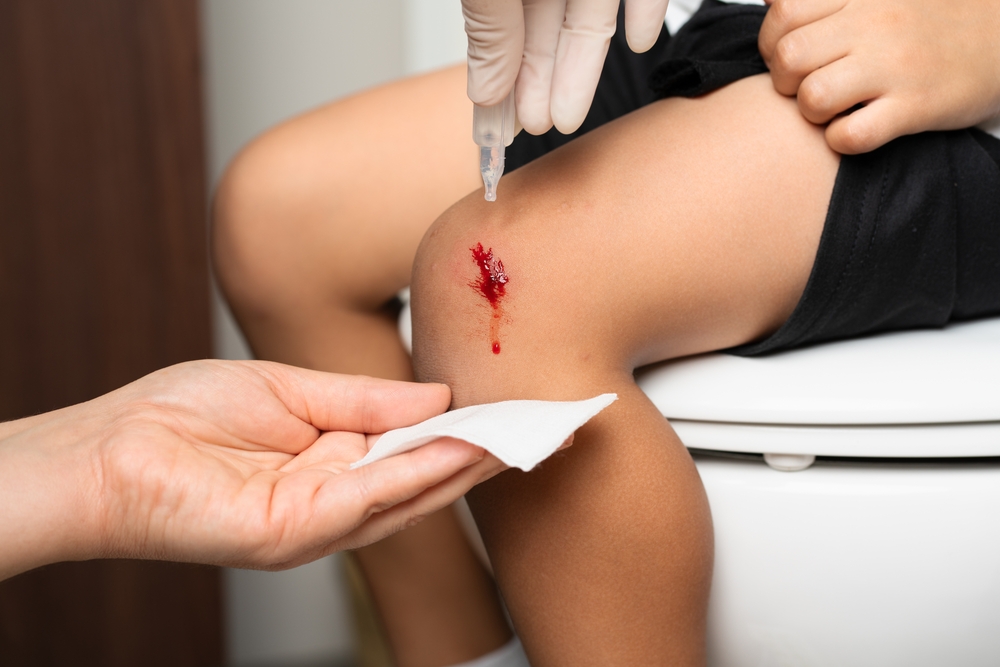
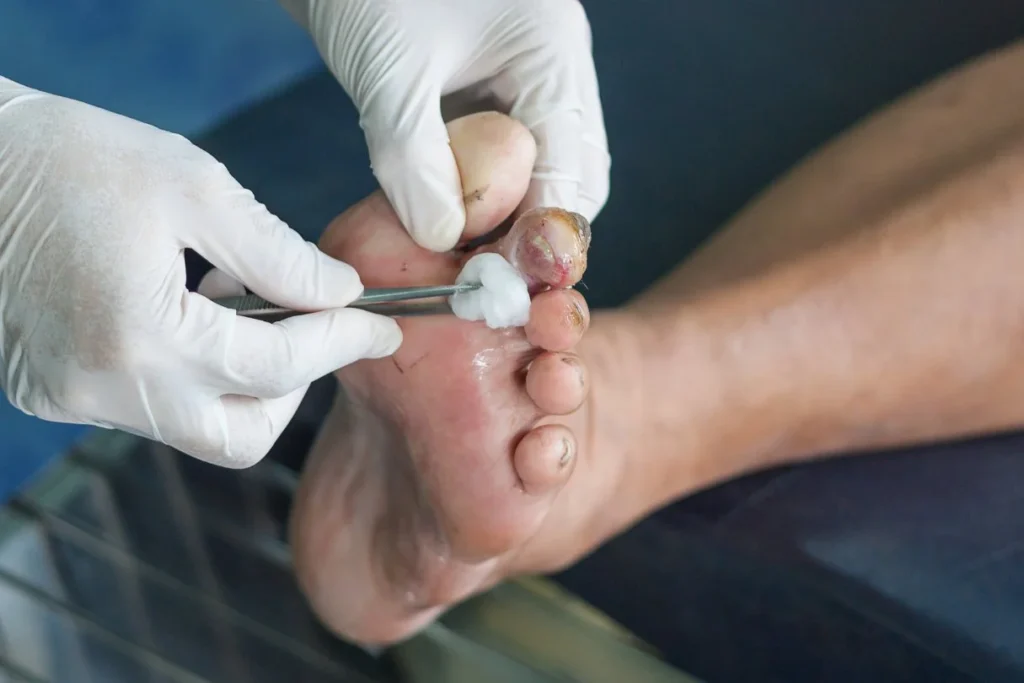
Complex wounds are injuries that fail to heal within an expected timeframe or worsen despite standard care. These wounds often persist for weeks or months and may involve complications that make healing difficult. An Expert wound doctor commonly treats conditions such as chronic non-healing wounds, diabetic foot ulcers, pressure sores, infected surgical wounds, and traumatic injuries with tissue damage.
Several factors can contribute to wound complexity. Poor blood circulation, uncontrolled diabetes, repeated pressure, infection, and reduced mobility often prevent the wound from closing properly. Without intervention from an Expert wound doctor, these wounds can progress and lead to severe complications, including hospitalization or limb loss.
Why an Expert Wound Doctor Is Essential for Complex Wounds
Managing complex wounds requires specialized training and hands-on experience. An Expert wound doctor understands how different medical conditions affect wound healing and applies targeted treatment methods accordingly. This expertise helps reduce pain, control infection, and protect healthy tissue surrounding the wound.
Patients with diabetes, vascular disease, or limited mobility benefit greatly from expert-led care. An Expert wound doctor works closely with patients to monitor healing progress, adjust treatment plans, and address complications early. Clinics such as Kalingap Wound Care focus on patient safety and long-term outcomes, making them a trusted choice for complex wound management.
Comprehensive Wound Assessment by an Expert Wound Doctor
Effective treatment starts with a thorough evaluation. An Expert wound doctor conducts a detailed review of the patient’s medical history, lifestyle factors, and current health conditions. Physical examination of the wound helps determine its size, depth, level of infection, and tissue condition.
Underlying issues such as poor circulation, nerve damage, pressure exposure, or elevated blood sugar levels are carefully assessed. Diagnostic tools may also be used to guide treatment decisions. At Kalingap Wound Care, every patient receives a structured assessment to ensure treatment plans address both the wound and its underlying causes.
Advanced Treatment Options Used by an Expert Wound Doctor
Complex wounds often need advanced therapies beyond standard dressings. An Expert wound doctor designs a treatment plan based on wound type, severity, and patient health status. These methods aim to promote healing, prevent infection, and reduce the risk of recurrence.
Wound Debridement Techniques
Debridement involves removing dead or infected tissue that slows healing. An Expert wound doctor may use surgical, enzymatic, or autolytic debridement depending on the wound’s condition. Removing unhealthy tissue allows healthy cells to regenerate and reduces infection risk. Clinics like Kalingap Wound Care apply precise debridement techniques to protect surrounding tissue while improving healing potential.
Infection Management and Control
Infection is a major concern in complex wound cases. An Expert wound doctor closely monitors signs such as redness, swelling, odor, or drainage. Treatment may include topical applications or medications to control bacterial growth. Early infection management plays a key role in preventing wound deterioration and systemic complications.
Advanced Wound Dressings
Specialized dressings help maintain the right moisture level and protect the wound from contamination. An Expert wound doctor selects dressings based on absorption needs, infection risk, and wound depth. These dressings support tissue growth while reducing discomfort during healing.
Negative Pressure Wound Therapy (NPWT)
Negative Pressure Wound Therapy uses controlled suction to promote wound closure. An Expert wound doctor may recommend NPWT for large, deep, or slow-healing wounds. This therapy improves blood flow, reduces fluid buildup, and supports faster tissue repair. Kalingap Wound Care offers NPWT as part of its advanced wound management services.
Offloading and Pressure Relief Techniques
Pressure on wounds, especially on the feet or lower limbs, can delay healing. An Expert wound doctor may recommend offloading methods such as specialized footwear, braces, or support devices. Pressure relief is essential for diabetic foot ulcers and pressure sores to prevent further damage.
Managing Underlying Conditions to Improve Healing
Wound healing does not occur in isolation. An Expert wound doctor addresses health factors that influence recovery. Blood sugar control is crucial for diabetic patients, while circulation improvement supports oxygen and nutrient delivery to the wound. Nutritional guidance, hydration advice, and mobility support are also part of comprehensive care.
At Kalingap Wound Care, patient education is a priority. Patients learn how daily habits affect healing and how to protect wounds between clinic visits.
Benefits of Early Intervention by an Expert Wound Doctor
Seeking care early leads to better outcomes. An Expert wound doctor helps shorten healing time, reduce infection risk, and lower the chance of serious complications. Early treatment also minimizes pain, prevents repeated hospital visits, and supports a better quality of life.
Patients who choose Kalingap Wound Care benefit from consistent follow-ups and treatment adjustments based on healing progress.
When to Seek Care from an Expert Wound Doctor
A wound that does not show improvement after two weeks, shows signs of infection, or causes increasing pain should be evaluated by an Expert wound doctor. Changes in wound color, odor, or drainage are also warning signs. Timely consultation can prevent the condition from becoming more severe.
Choosing the Right Wound Care Provider
Selecting the right clinic is essential for complex wound recovery. An Expert wound doctor should have experience, access to advanced therapies, and a patient-centered approach. Kalingap Wound Care stands out for its focused expertise, modern treatment options, and commitment to patient safety and healing success.
Frequently Asked Questions
What makes a wound case complex?
A wound becomes complex when it fails to heal normally, becomes infected, or is affected by conditions such as diabetes or poor circulation. An Expert wound doctor evaluates these factors to guide treatment.
How long does it take for complex wounds to heal?
Healing time varies depending on wound severity and overall health. An Expert wound doctor provides realistic timelines and monitors progress closely.
Can complex wounds heal without seeing an expert wound doctor?
Some wounds may improve temporarily, but complex cases often worsen without professional care. An Expert wound doctor helps prevent complications and supports proper healing.
Are advanced wound treatments painful?
Most treatments are designed to minimize discomfort. An Expert wound doctor ensures patient comfort throughout the healing process.
How often should wounds be checked by a wound specialist?
Visit frequency depends on wound condition. An Expert wound doctor at Kalingap Wound Care schedules regular assessments to ensure steady healing and timely adjustments.