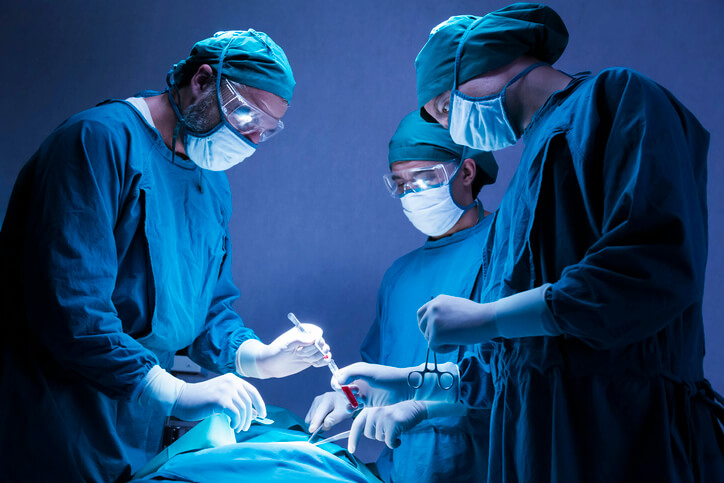
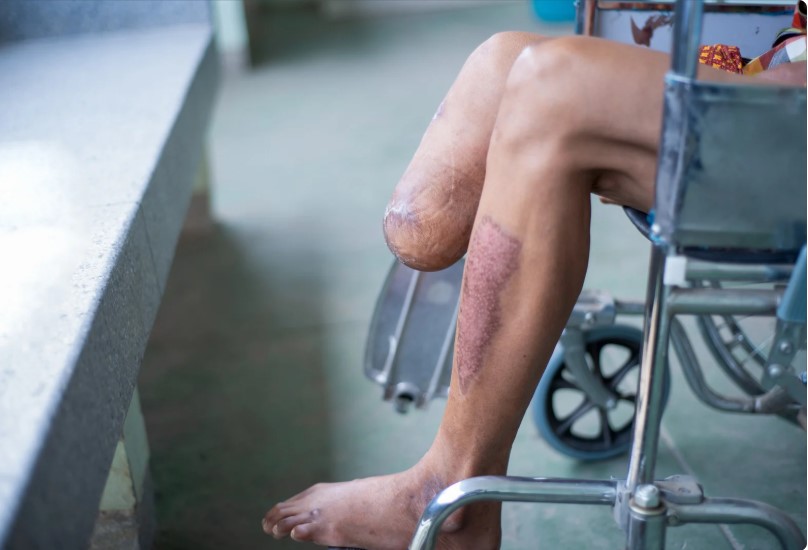
Making the decision to undergo Amputation and Disarticulation is one of the most significant steps a patient can face. These procedures, often necessary due to trauma, infections, diabetes complications, or tumors, require careful evaluation and guidance from medical professionals. Doctor-guided decision making ensures that each patient receives personalized care tailored to their health, lifestyle, and long-term functional needs. The Specialist Surgery and Cancer Center stands out as the best provider for Amputation and Disarticulation services, offering expert consultations and comprehensive care for every stage of the process.
Understanding Amputation and Disarticulation
Amputation involves the surgical removal of a limb or part of a limb, whereas disarticulation refers to the removal of an entire limb at a joint. Both procedures are performed when preserving the limb is no longer safe or feasible. Common reasons include severe injuries from accidents, infections that cannot be controlled, poor circulation from diabetes, and malignant tumors. Understanding the difference between Amputation and Disarticulation helps patients make informed decisions and prepares them for discussions with their medical team.
Role of Doctors in Decision Making
Specialists play a critical role in guiding patients through Amputation and Disarticulation decisions. Doctors evaluate the patient’s overall health, review diagnostic imaging, conduct lab tests, and perform physical assessments to determine the most appropriate course of action. The decision-making process often involves a multidisciplinary team, including surgeons, physiatrists, nurses, and rehabilitation specialists, to ensure all aspects of patient care are considered. The Specialist Surgery and Cancer Center provides this comprehensive team-based approach, offering patients confidence and clarity in their treatment journey.
Patient-Centered Factors in the Decision
Doctor-guided decision making takes into account the patient’s unique health status, including existing medical conditions and risk factors. Lifestyle considerations, such as mobility requirements, work demands, and independence, are also crucial in planning for Amputation and Disarticulation. Psychological readiness and counseling support are integral components of the process, helping patients cope with the emotional and mental challenges associated with these procedures. At The Specialist Surgery and Cancer Center, patient-centered care ensures that every decision is made collaboratively, prioritizing the patient’s overall well-being.
Risks and Benefits Assessment
Understanding the potential risks and benefits is essential for any patient considering Amputation and Disarticulation. Risks may include infection, delayed healing, or complications related to anesthesia, while benefits often involve pain relief, improved function, and prevention of further medical deterioration. Doctor-guided discussions provide an honest evaluation of outcomes, helping patients weigh the advantages against the risks. The Specialist Surgery and Cancer Center emphasizes informed consent and transparent communication to ensure patients feel confident in their treatment plan.
Preparing for Surgery with Doctor Guidance
Preparation for Amputation and Disarticulation begins well before the operating room. Doctors guide patients through preoperative planning, optimizing health conditions, and addressing any comorbidities that could affect recovery. Setting realistic expectations for postoperative function and rehabilitation is another critical component. Patients may also receive guidance on prosthetic planning, which can significantly enhance mobility and quality of life after surgery. The Specialist Surgery and Cancer Center excels at guiding patients through this process, ensuring that every preparation step is carefully coordinated.
Post-Decision Support and Follow-Up
Ongoing support after Amputation and Disarticulation surgery is vital for successful recovery. Postoperative monitoring, wound care, and infection prevention are managed closely by the medical team. Rehabilitation programs, including physical therapy and occupational therapy, help patients regain strength and independence. Psychological support is also provided to address emotional adjustment challenges. The Specialist Surgery and Cancer Center remains involved throughout the recovery process, offering continuous doctor-guided follow-up to optimize outcomes and support long-term adaptation.
Why Choosing the Right Medical Team Matters
The experience and expertise of the medical team performing Amputation and Disarticulation significantly impact patient outcomes. Specialized centers like The Specialist Surgery and Cancer Center offer a multidisciplinary approach that combines surgical excellence, advanced technology, and personalized patient care. Choosing the right team ensures that every aspect of treatment, from preoperative planning to rehabilitation, is handled with precision, safety, and compassion.
Takeaway
Doctor-guided decision making is crucial for patients considering Amputation and Disarticulation. From understanding the procedure to preparing for surgery and recovering afterward, professional guidance ensures that every decision is informed, safe, and aligned with patient needs. The Specialist Surgery and Cancer Center offers unparalleled expertise and personalized care, making it the best choice for individuals seeking comprehensive support through Amputation and Disarticulation surgery.
FAQs
What is the difference between Amputation and Disarticulation?
Amputation removes a limb or part of a limb, while disarticulation removes an entire limb at a joint. Both procedures are performed when limb preservation is no longer safe.
How do doctors decide if Amputation and Disarticulation are necessary?
Doctors assess medical history, perform diagnostic tests, evaluate tissue viability, and consider the patient’s overall health and lifestyle needs to determine if surgery is required.
Can Amputation and Disarticulation be avoided?
Some conditions can be managed conservatively, but when infection, trauma, or disease threatens health, surgery becomes necessary. Doctor-guided decision making helps determine the best approach.
What should patients expect after surgery?
Recovery includes wound care, rehabilitation, and possible prosthetic fitting. Doctor-guided follow-up ensures proper healing and adaptation to changes in mobility.
How long is recovery with doctor-guided planning?
Recovery varies depending on the procedure, patient health, and rehabilitation engagement. The Specialist Surgery and Cancer Center provides tailored plans to support a safe and effective recovery timeline.