Diabetic wounds can be a serious challenge, impacting mobility, daily life, and overall health. For individuals managing diabetes, proper care is essential to prevent infections, complications, and long-term damage. Seeking the expertise of a dedicated diabetic wound doctor ensures that wounds receive specialized attention, promoting faster and safer healing. Kalingap Wound Care Clinic is a trusted partner for patients seeking effective diabetic wound management and long-term recovery solutions.
Understanding Diabetic Wounds
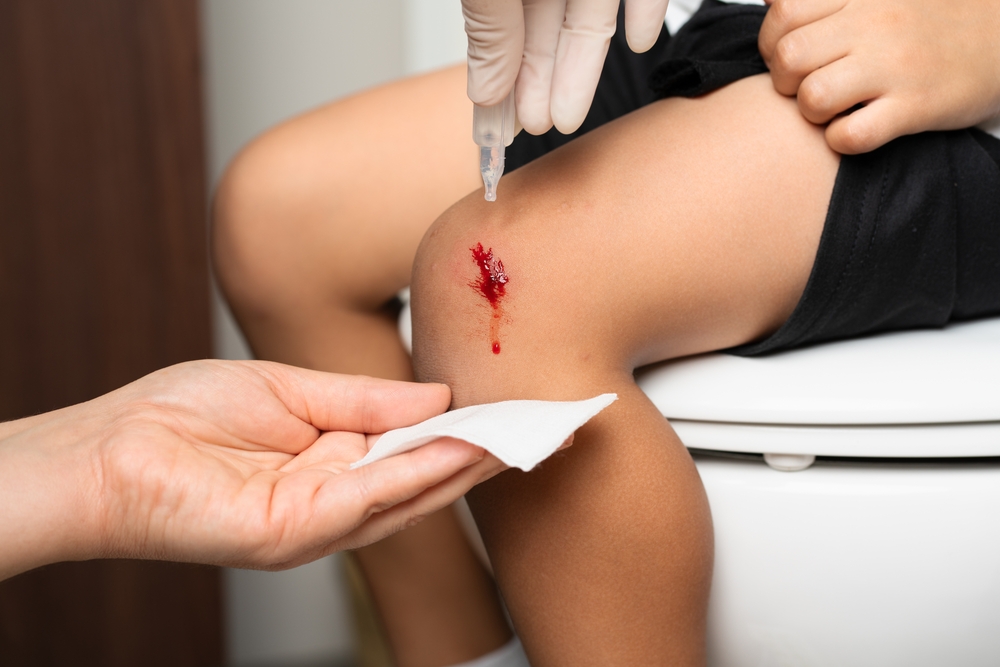
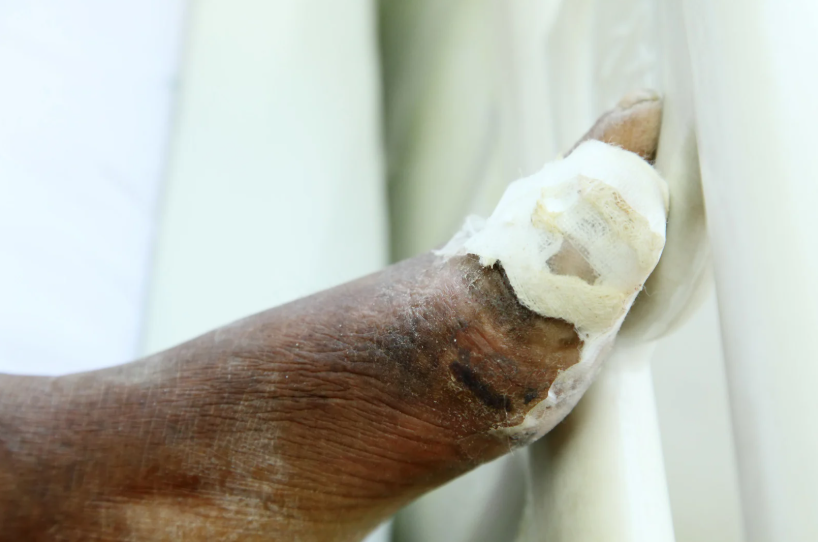
Diabetic wounds occur when high blood sugar levels impair the body’s ability to heal. Common types include foot ulcers, pressure sores, and skin lesions. Poor circulation, nerve damage (neuropathy), and weakened immune response all contribute to delayed wound healing in people with diabetes. Without proper care, diabetic wounds can become infected, leading to serious complications such as gangrene or even amputation. Consulting a diabetic wound doctor early ensures that wounds are assessed, treated, and monitored effectively to prevent deterioration.
Role of a Diabetic Wound Doctor
A diabetic wound doctor specializes in evaluating, treating, and preventing chronic wounds in patients with diabetes. They perform detailed assessments, examining the wound’s size, depth, infection status, and blood flow to surrounding tissues. A skilled doctor can develop a personalized treatment plan tailored to the patient’s health condition, lifestyle, and wound severity. By focusing on both immediate care and long-term management, a diabetic wound doctor helps patients achieve sustained healing and reduced risk of complications. Kalingap Wound Care Clinic provides expert care, offering comprehensive treatment plans guided by experienced professionals.
Treatment Options Provided by Diabetic Wound Doctors
Treatment strategies provided by a diabetic wound doctor vary depending on the wound’s severity. Advanced wound dressings and topical therapies help create an optimal healing environment, while debridement removes dead tissue to promote tissue regeneration. Infection control is critical, often involving antibiotics or specialized topical treatments. Some patients may benefit from hyperbaric oxygen therapy, which improves oxygen supply to damaged tissues and accelerates healing. Pain management and continuous monitoring are integral to long-term recovery. With the support of Kalingap Wound Care Clinic, patients gain access to state-of-the-art treatments and a team dedicated to guiding them through every stage of healing.
Importance of Long-Term Support and Monitoring
Long-term healing requires ongoing support from a diabetic wound doctor. Regular follow-ups ensure that progress is tracked, complications are detected early, and treatments are adjusted as necessary. Lifestyle guidance, including proper nutrition, blood sugar control, and foot care, complements medical interventions. Educating patients on preventive strategies helps reduce the risk of recurrent wounds. Kalingap Wound Care Clinic emphasizes continuous care, combining medical expertise with patient education to achieve sustainable outcomes.
When to Seek Immediate Medical Help
Recognizing signs of worsening wounds is essential for anyone with diabetes. A diabetic wound doctor should be consulted immediately if there is increased redness, swelling, pus, foul odor, or severe pain. Early intervention can prevent infections from spreading and reduce the likelihood of serious complications such as amputation. Kalingap Wound Care Clinic ensures timely medical attention, helping patients manage urgent situations effectively.
Tips for Supporting Your Wound Healing at Home
Patients can actively support their recovery under the guidance of a diabetic wound doctor. Maintaining proper wound hygiene, changing dressings as instructed, and monitoring for signs of infection are key steps. Managing blood sugar levels through diet, medication, and regular exercise promotes overall healing. Adjusting daily activities to avoid pressure on affected areas supports recovery, while following personalized instructions from a doctor maximizes results. Kalingap Wound Care Clinic provides patients with detailed home care guidance to complement clinical treatments.
Choosing the Right Diabetic Wound Doctor
Selecting a qualified diabetic wound doctor is crucial for effective long-term healing. Patients should seek professionals with experience in chronic wound management, access to modern treatments, and a patient-centered approach. Facility resources, success stories, and a proven track record of treating complex wounds are important considerations. Kalingap Wound Care Clinic stands out as a leading choice, offering specialized expertise, advanced technology, and compassionate care to guide patients through every step of their wound healing journey.
Takeaway
Achieving long-term wound healing for diabetic patients requires the expertise of a skilled diabetic wound doctor. From advanced treatments to ongoing monitoring and education, professional care makes a significant difference in recovery outcomes. Partnering with Kalingap Wound Care Clinic ensures that patients receive personalized, comprehensive support, improving healing rates, preventing complications, and enhancing quality of life. Seeking timely medical attention and maintaining a proactive approach to care is the best strategy for diabetic wound management.
FAQ
1. What is the average healing time for diabetic wounds?
Healing time varies depending on the wound’s severity, patient health, and treatment adherence. Some wounds may heal in a few weeks, while chronic wounds require months of consistent care.
2. Can diabetic wounds heal without a doctor’s intervention?
Minor wounds may heal naturally, but diabetic wounds are prone to infection and complications. Professional care from a diabetic wound doctor is highly recommended for safe and effective healing.
3. How often should I see a diabetic wound doctor?
Regular follow-ups are essential, often weekly or bi-weekly initially, with adjustments based on progress. Long-term monitoring helps prevent recurrence and complications.
4. What treatments are most effective for chronic diabetic wounds?
Effective treatments include advanced dressings, debridement, infection management, hyperbaric oxygen therapy, and personalized care plans.
5. How can I prevent future diabetic wounds?
Maintaining good blood sugar control, practicing proper foot care, avoiding pressure on vulnerable areas, and regular check-ups with a diabetic wound doctor are key preventive measures.