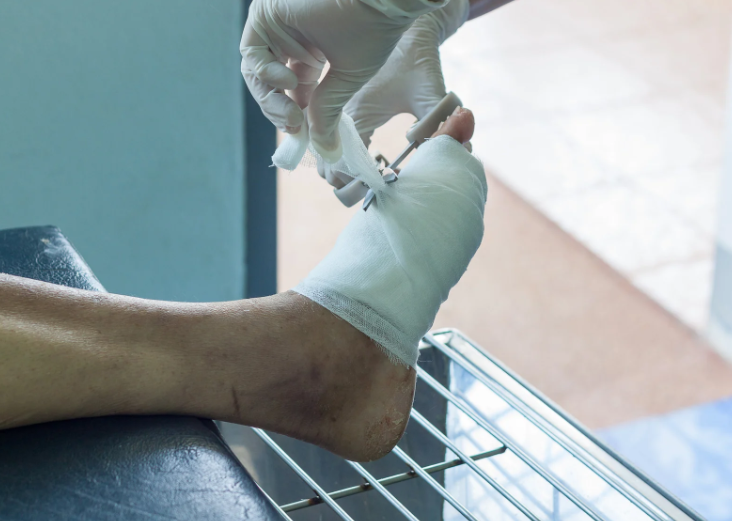
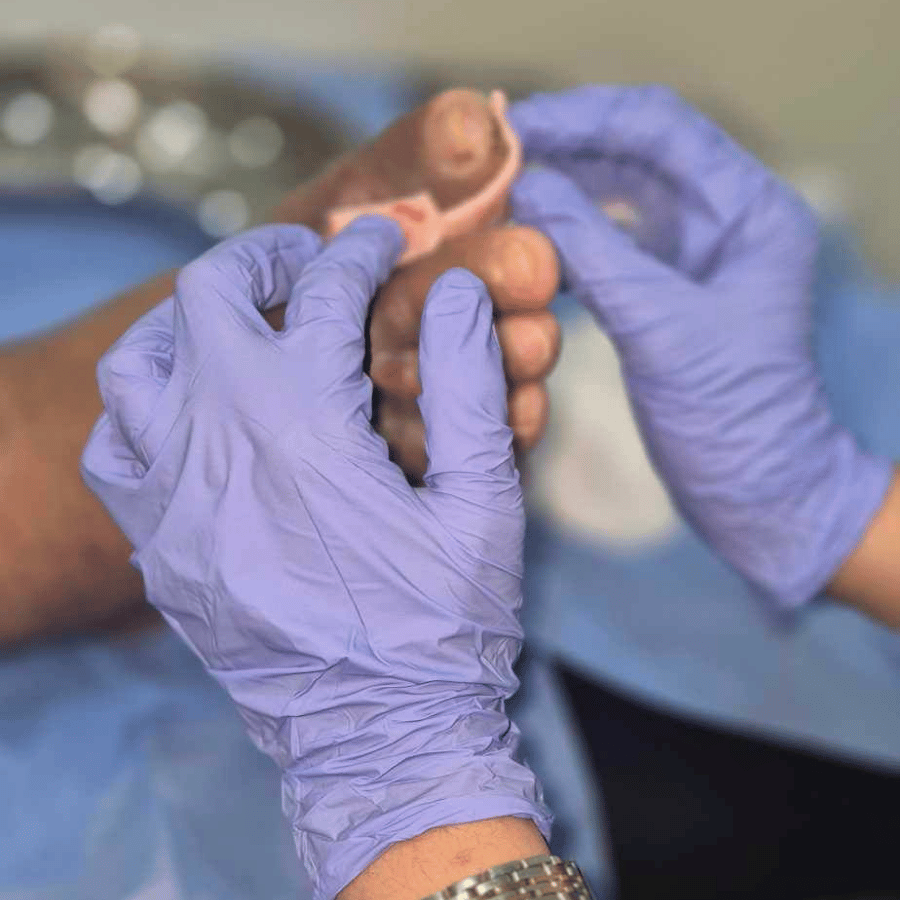
Diabetic foot ulcers are one of the most serious complications faced by individuals living with diabetes. These wounds often develop due to nerve damage, poor circulation, and uncontrolled blood sugar levels. Proper management is critical, as untreated ulcers can lead to infections, chronic wounds, and even amputation. Diabetic foot ulcers Treatment focuses on addressing the root causes of these wounds while providing professional care to promote healing, prevent infections, and support long-term foot health. At Kalingap Wound Care Clinic in Quezon City, patients receive specialized care designed to meet the unique needs of diabetic patients, ensuring both recovery and prevention of future complications.
What Are Diabetic Foot Ulcers?
Diabetic foot ulcers are open sores or wounds that appear on the feet of people with diabetes. They often form on pressure points, such as the bottom of the foot or toes, where friction and pressure can cause skin breakdown. Neuropathy, or nerve damage, reduces sensation in the feet, making patients unaware of injuries that can develop into ulcers. Poor blood circulation further slows healing and increases the risk of infection. Common symptoms include redness, swelling, pain, discharge, and a foul odor from the wound. Identifying and treating these ulcers early is essential to prevent more serious complications. Diabetic foot ulcers Treatment combines wound care, infection control, and patient education to promote proper healing.
Risks of Untreated Diabetic Foot Ulcers
Failure to seek professional care for diabetic foot ulcers can result in severe consequences. Infection is one of the most common risks, which can lead to gangrene if left untreated. Chronic wounds may develop, becoming resistant to simple home remedies or over-the-counter treatments. In extreme cases, untreated ulcers may necessitate partial or full amputation to prevent life-threatening complications. Delaying care increases healthcare costs and prolongs recovery time. Professional diabetic foot ulcers Treatment reduces these risks by providing a structured, medically guided approach to healing and prevention.
How Diabetic Foot Ulcers Are Treated at Kalingap Wound Care Clinic
Comprehensive Assessment
The first step in Diabetic foot ulcers Treatment at Kalingap Wound Care Clinic is a detailed assessment. Each patient receives a thorough evaluation of the ulcer, including its size, depth, and severity. Circulation is checked to ensure adequate blood flow to the affected area, while risk factors such as neuropathy or previous foot injuries are considered. Based on these findings, the clinic creates a personalized treatment plan that addresses the specific needs of each patient. This tailored approach ensures effective healing and reduces the likelihood of recurring ulcers.
Wound Cleaning & Debridement
Effective Diabetic foot ulcers Treatment requires proper cleaning and debridement. Dead or infected tissue is carefully removed from the wound, which allows healthy tissue to grow and accelerates healing. At Kalingap Wound Care Clinic, trained specialists use advanced techniques and sterile procedures to minimize the risk of infection during debridement. Regular wound cleaning helps maintain a clean environment that is essential for recovery, while reducing pain and discomfort for the patient.
Specialized Dressings & Pressure Relief
Protective dressings are a crucial component of Diabetic foot ulcers Treatment. These dressings shield the wound from bacteria, help maintain moisture balance, and promote faster tissue regeneration. Additionally, pressure relief strategies, such as specialized footwear or offloading devices, are used to prevent further trauma to the ulcer. These methods ensure that weight is distributed evenly across the foot, allowing the wound to heal without constant irritation. Consistent use of these interventions supports long-term foot health and prevents recurring ulcers.
Infection Management
Managing infection is a key part of Diabetic foot ulcers Treatment. At Kalingap Wound Care Clinic, ulcers are monitored closely for signs of infection, such as redness, warmth, swelling, and discharge. If necessary, targeted antibiotics are prescribed to address bacterial infections and prevent them from spreading. Early intervention prevents complications that can slow recovery or lead to hospitalization. Infection management is integrated into every stage of treatment to ensure a safe and effective healing process.
Patient Education & Prevention
Education is a core aspect of Diabetic foot ulcers Treatment. Patients are guided on daily foot care routines, proper hygiene, and suitable footwear to protect the feet from injuries. Blood sugar control is emphasized as a critical factor in preventing ulcer recurrence. Regular monitoring of foot health, including self-exams and professional check-ups, helps detect potential issues early. Empowering patients with knowledge about preventive measures reduces the risk of future ulcers and improves overall quality of life.
Benefits of Professional Diabetic Foot Ulcers Treatment
Professional Diabetic foot ulcers Treatment offers numerous benefits that extend beyond immediate wound healing. Patients experience faster recovery times due to structured care plans and advanced wound management techniques. The risk of infection is significantly reduced, which prevents complications that could compromise mobility or overall health. Proper pressure management and circulation improvement promote tissue regeneration and long-term foot health. Additionally, ongoing education equips patients with the skills needed to maintain healthy feet and manage their diabetes effectively. The combination of expert care, prevention strategies, and patient education ensures a comprehensive approach to managing diabetic foot ulcers.
Who Should Seek Treatment?
Anyone with diabetes should consider professional evaluation if they notice foot abnormalities or wounds that do not heal promptly. Patients with chronic or slow-healing foot wounds, neuropathy, or poor circulation are at higher risk for complications and require immediate attention. Signs such as swelling, redness, discharge, or persistent pain around the foot should prompt an urgent visit to a specialized clinic. Early intervention is essential, making timely Diabetic foot ulcers Treatment critical for preventing serious outcomes and promoting long-term health.
Why Choose Kalingap Wound Care Clinic
Kalingap Wound Care Clinic in Quezon City provides specialized care for diabetic foot ulcers. The clinic is recognized for its expertise in managing diabetes-related wounds using advanced techniques. Patient comfort and long-term health are central to every treatment plan, ensuring that care is both effective and compassionate. Affordable care options make these services accessible to the community, while the convenient location ensures patients can receive regular follow-up and support. Choosing Kalingap Wound Care Clinic guarantees structured, expert-driven Diabetic foot ulcers Treatment designed to promote healing, prevent complications, and maintain overall foot health.
Tips for Preventing Diabetic Foot Ulcers
Preventive care is an important complement to Diabetic foot ulcers Treatment. Daily foot inspections help identify early signs of injury, infection, or pressure points. Proper footwear prevents friction and pressure that can lead to sores, while maintaining blood sugar levels supports overall healing and tissue health. Regular check-ups with a wound care specialist allow for early intervention if a problem arises. Patients are encouraged to combine professional care with consistent home-based foot care routines to minimize the risk of future ulcers. Education on preventive strategies empowers patients to maintain foot health and avoid complications.
Takeaway
Diabetic foot ulcers Treatment is essential for anyone living with diabetes who experiences foot wounds or related complications. Professional care addresses both immediate healing and long-term prevention, reducing the risk of infection, chronic wounds, and amputation. Kalingap Wound Care Clinic in Quezon City provides expert treatment, patient education, and ongoing support to ensure the best outcomes. Timely intervention, structured care plans, and preventive guidance make all the difference in maintaining healthy feet and overall well-being. Patients are encouraged to schedule an assessment to begin effective Diabetic foot ulcers Treatment and take control of their foot health.
Frequently Asked Questions (FAQ)
What is the most effective treatment for diabetic foot ulcers?
Effective Diabetic foot ulcers Treatment involves wound cleaning, debridement, protective dressings, pressure relief, infection management, and patient education. Each treatment plan is tailored to the patient’s needs.
How long does it take for diabetic foot ulcers to heal?
Healing time varies depending on ulcer severity, circulation, and patient compliance. Structured treatment at a specialized clinic can significantly accelerate recovery.
Can diabetic foot ulcers be prevented?
Yes. Prevention includes daily foot care, proper footwear, regular check-ups, and maintaining healthy blood sugar levels. Early intervention reduces the risk of severe ulcers.
When should I see a doctor for a foot ulcer?
Seek professional evaluation immediately if you notice redness, swelling, pain, discharge, or slow-healing wounds. Early intervention is key to preventing complications.
Why choose Kalingap Wound Care Clinic for diabetic foot care?
Kalingap Wound Care Clinic offers specialized expertise, advanced wound management techniques, affordable care, and patient-focused treatment to ensure safe, effective Diabetic foot ulcers Treatment.
Is diabetic foot ulcers Treatment covered by insurance?
Coverage depends on your insurance provider. Kalingap Wound Care Clinic can assist patients in understanding available options and making treatment accessible.