What Are Decubitus Ulcers and Why They Develop
Decubitus ulcers, often referred to as pressure sores or bedsores, are injuries to the skin and underlying tissue caused by prolonged pressure. These wounds typically form in areas where the body rests against a surface for extended periods, such as the back, hips, heels, and elbows. When pressure limits blood flow, the affected tissue begins to break down, leading to visible damage. Individuals with limited mobility, including those confined to beds or wheelchairs, face the highest risk. The condition may begin subtly, with slight redness or discomfort, but can progress quickly if not addressed. Decubitus ulcer treatment becomes more challenging as the wound deepens, making early awareness essential. Understanding how these ulcers develop provides a strong foundation for both prevention and proper care.
Key Causes and Contributing Factors
Several factors contribute to the formation of pressure ulcers, with sustained pressure being the primary cause. Friction occurs when the skin rubs against surfaces like bedding, while shear happens when layers of skin move in opposite directions. Moisture from sweat or incontinence can weaken the skin, increasing vulnerability to damage. Chronic health conditions such as diabetes and poor circulation can slow healing and make individuals more susceptible. Age also plays a role, as older adults tend to have thinner, more fragile skin. Poor nutrition further compounds the problem by limiting the body’s ability to repair itself. Recognizing these contributing factors is essential in creating an effective decubitus ulcer treatment plan that addresses both symptoms and root causes.
Recognizing the Different Stages of Pressure Ulcers
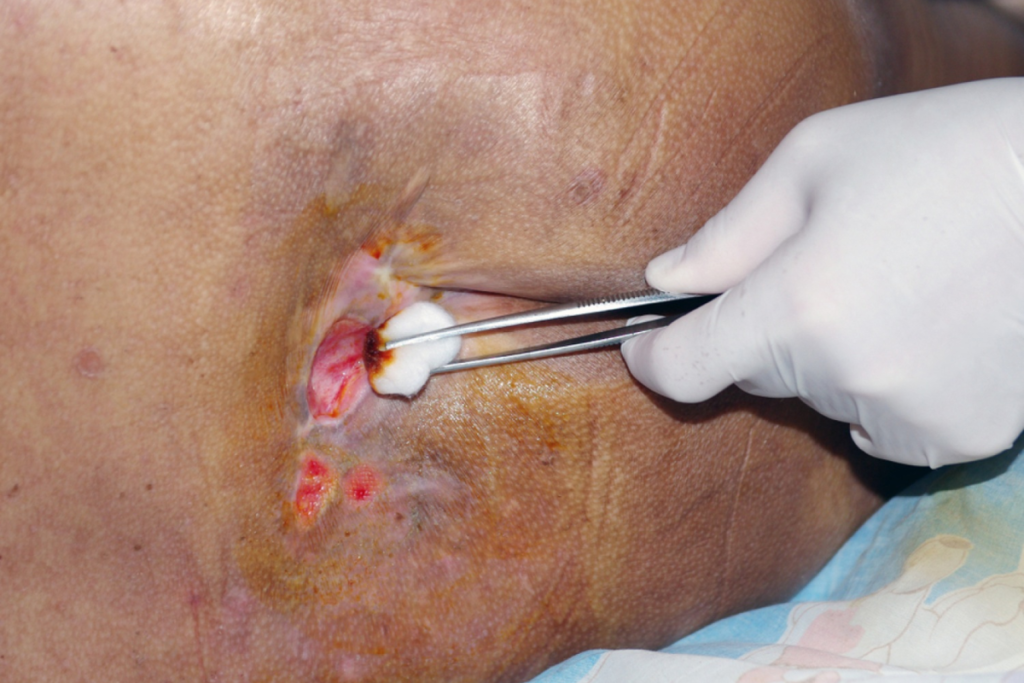
Pressure ulcers are categorized into stages that reflect the severity of tissue damage. Stage 1 is the earliest phase, marked by persistent redness or discoloration without an open wound. Stage 2 involves partial skin loss and may appear as a blister or shallow sore. Stage 3 indicates deeper damage that extends into the tissue beneath the skin, often exposing fat. Stage 4 is the most severe stage, where muscle or bone may be visible, posing a high risk of infection. Some wounds are classified as unstageable due to the presence of dead tissue covering the area. Identifying the stage accurately helps guide the most appropriate decubitus ulcer treatment approach. Each stage requires a different level of care, making proper assessment crucial for recovery.
Early Warning Signs That Should Not Be Ignored
Detecting pressure ulcers early can significantly improve treatment outcomes and prevent complications. One of the first signs is skin discoloration that does not fade after pressure is relieved. The affected area may feel unusually warm, cool, or firm compared to surrounding skin. Patients might report discomfort, tingling, or pain in the area. As the condition progresses, swelling and changes in skin texture may occur. Open wounds, blisters, or drainage are clear indicators of more advanced damage. Individuals with reduced sensation may not feel these symptoms, making regular skin checks essential. Prompt recognition of these signs ensures that decubitus ulcer treatment begins before the condition worsens.
Essential Principles of Decubitus Ulcer Treatment
Successful treatment of pressure ulcers relies on a combination of consistent care practices. The most important step is relieving pressure on the affected area, allowing blood flow to return and support healing. Keeping the wound clean and properly dressed helps prevent infection and promotes tissue repair. Maintaining a moist wound environment is beneficial for faster healing. Managing underlying health conditions, such as diabetes, is also essential for recovery. Pain control improves comfort and encourages patient cooperation with treatment. Regular monitoring ensures that any changes in the wound are addressed promptly. These principles form the backbone of effective decubitus ulcer treatment strategies.
Clinical Approaches and Advanced Wound Care
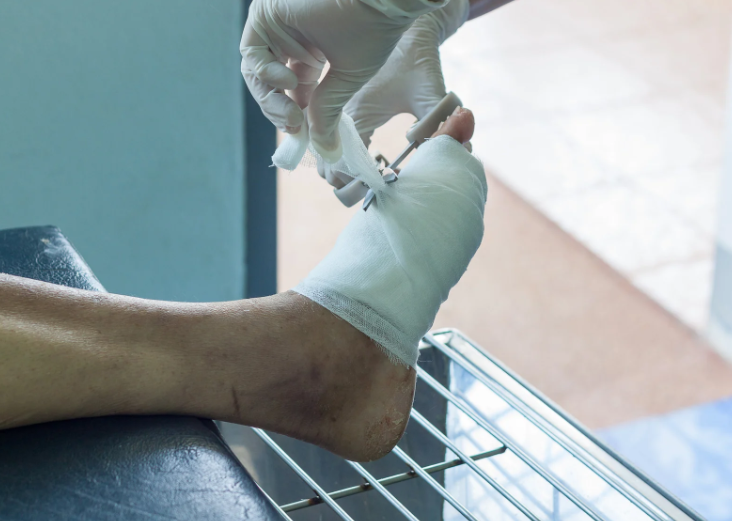
Medical management of pressure ulcers involves a range of techniques tailored to the severity of the wound. Cleaning the wound thoroughly is the first step in preventing infection. Specialized dressings are then applied to protect the area and maintain the right level of moisture. Debridement, or the removal of dead tissue, is often necessary to allow healthy tissue to grow. This can be done through surgical, enzymatic, or natural methods. Antibiotics may be used when infection is present or likely. Advanced therapies, such as negative pressure wound therapy, help accelerate healing by improving blood flow. Hyperbaric oxygen therapy may also be considered in certain cases. These clinical interventions enhance the effectiveness of decubitus ulcer treatment, especially for more severe wounds.
Surgical Interventions for Complex Cases
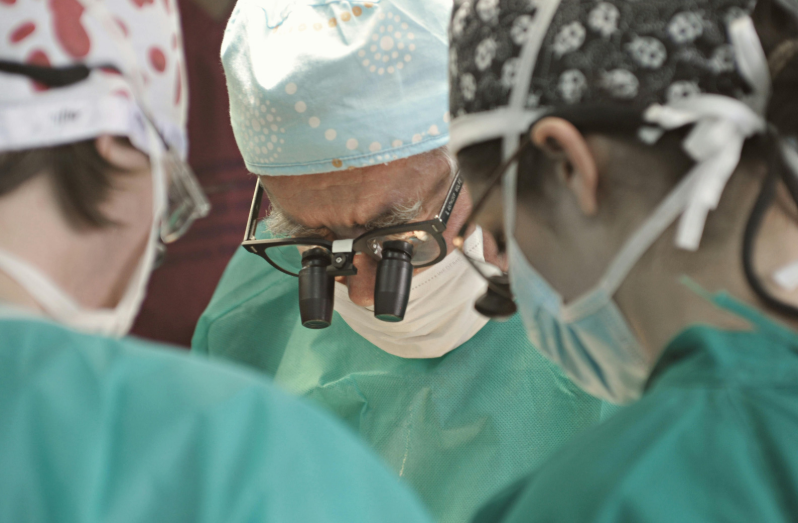
In situations where pressure ulcers do not respond to conservative treatment, surgery may be required. Procedures such as skin grafts or flap reconstruction are commonly used to repair damaged tissue. These techniques involve transferring healthy skin or tissue to cover the wound and promote healing. Surgery can significantly improve outcomes but requires careful planning and recovery. Patients must continue pressure relief measures to prevent new ulcers from forming. Post-surgical care includes monitoring for infection and ensuring proper wound healing. Collaboration between healthcare providers is essential for successful results. Surgical options provide a valuable solution when other forms of decubitus ulcer treatment are not sufficient.
Nutrition and Its Impact on Wound Healing
Nutrition plays a vital role in the body’s ability to heal pressure ulcers effectively. Protein is essential for building and repairing tissues, making it a key component of any healing plan. Vitamins such as vitamin C support collagen production and strengthen the immune system. Minerals like zinc and iron also contribute to tissue repair and overall health. Staying hydrated helps maintain skin elasticity and supports bodily functions. Patients with poor nutritional intake often experience delayed healing and higher risk of complications. A well-balanced diet tailored to individual needs can greatly improve outcomes. Incorporating proper nutrition into decubitus ulcer treatment ensures that the body has the resources it needs to recover.
Preventing Pressure Ulcers Through Daily Care
Preventing pressure ulcers requires consistent attention to daily care routines. Regular repositioning is one of the most effective ways to reduce pressure and protect the skin. Support surfaces, such as specialized mattresses and cushions, help distribute weight evenly. Maintaining proper hygiene keeps the skin clean and reduces the risk of irritation. Daily skin inspections allow for early detection of potential problems. Encouraging movement, even in small amounts, improves circulation and overall health. Educating caregivers and patients about preventive measures ensures better long-term outcomes. These practices are essential components of any comprehensive decubitus ulcer treatment and prevention plan.
Daily Prevention Checklist
- Change positions frequently to relieve pressure
- Use supportive bedding and seating surfaces
- Keep skin clean, dry, and well-moisturized
- Inspect vulnerable areas every day
- Maintain proper nutrition and hydration
- Encourage safe movement and physical activity
- Seek medical advice for early signs of skin damage
Home-Based Care and Caregiver Responsibilities
Caring for someone with a pressure ulcer at home requires knowledge, patience, and consistency. Caregivers must follow proper wound care procedures to prevent infection and promote healing. Cleaning and dressing the wound should be done using recommended techniques and materials. Providing emotional support is also important, as patients may feel discouraged during recovery. Using the right equipment, such as pressure-relieving cushions, can improve comfort and outcomes. Caregivers should monitor for signs of infection or worsening conditions. Communication with healthcare professionals ensures that the treatment plan remains effective. With proper guidance, home-based decubitus ulcer treatment can lead to successful healing.
Risks and Complications of Untreated Pressure Ulcers
Untreated pressure ulcers can lead to serious health complications that affect overall well-being. Infections may spread to deeper tissues, including bones, leading to conditions such as osteomyelitis. Severe infections can enter the bloodstream and cause life-threatening conditions like sepsis. Chronic wounds may develop, making healing more difficult over time. Pain and discomfort can significantly reduce a patient’s quality of life. Extended hospital stays and increased medical costs are also common consequences. Early and consistent decubitus ulcer treatment is essential to avoid these risks. Addressing the condition promptly ensures better outcomes and improved health.
Team-Based Care for Better Healing Outcomes
Effective management of pressure ulcers often involves a team of healthcare professionals working together. Doctors provide diagnosis and oversee treatment plans. Nurses handle wound care and monitor progress regularly. Physical therapists help improve mobility and reduce pressure on vulnerable areas. Nutritionists ensure that patients receive the nutrients needed for healing. This collaborative approach ensures that all aspects of care are addressed. Each professional contributes expertise that enhances the effectiveness of decubitus ulcer treatment. Team-based care leads to improved healing rates and better patient experiences.
Innovations Shaping the Future of Decubitus Ulcer Treatment
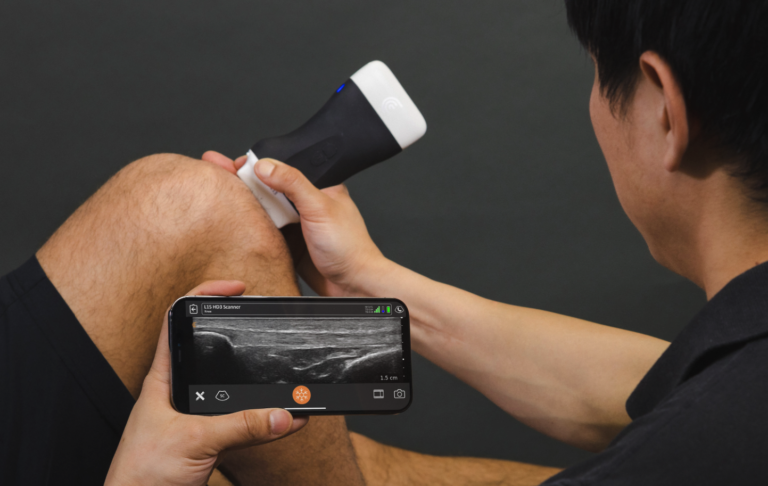
Advances in medical technology are transforming how pressure ulcers are treated and managed. Smart dressings can now monitor wound conditions and provide real-time feedback. Regenerative medicine offers new possibilities for repairing damaged tissue. Telemedicine allows healthcare providers to monitor patients remotely, improving access to care. These innovations are making treatment more efficient and personalized. Patients benefit from faster healing and improved comfort. Ongoing research continues to explore new methods for enhancing outcomes. Staying informed about these advancements helps patients and caregivers make better decisions regarding decubitus ulcer treatment.
Frequently Asked Questions
What is the most effective treatment for decubitus ulcers
The most effective approach combines pressure relief, proper wound care, and management of underlying conditions. Advanced therapies may be used for severe cases.
Can pressure sores heal without medical treatment
Mild cases may improve with basic care, but most require structured decubitus ulcer treatment to prevent worsening.
How long does recovery usually take
Healing time depends on the severity of the ulcer and the patient’s overall health, ranging from a few weeks to several months.
What are the best ways to prevent pressure ulcers
Frequent repositioning, proper hygiene, and maintaining good nutrition are key preventive measures.
Are pressure ulcers painful
Yes, they can cause discomfort or severe pain, especially in advanced stages.
When should a doctor be consulted
A doctor should be consulted if the wound worsens, shows signs of infection, or does not improve with basic care.
Takeaway
Decubitus ulcer treatment requires a proactive and consistent approach that addresses both prevention and healing. Recognizing early signs, applying proper care techniques, and maintaining overall health can significantly improve outcomes. Support from caregivers and healthcare professionals plays a crucial role in recovery. By staying informed and attentive, patients and caregivers can effectively manage pressure ulcers and reduce the risk of complications.