A debridement procedure is a critical step in wound management, ensuring that damaged or dead tissue is safely removed to promote faster healing and prevent infection. Proper wound care is essential for both acute and chronic wounds, and consulting experienced professionals like Kalingap Wound Care Clinic ensures that the procedure is performed safely and effectively. Understanding the step-by-step process of a debridement procedure can help patients and caregivers know what to expect and why this treatment is essential for recovery.
What is a Debridement Procedure?
A debridement procedure involves the removal of necrotic, infected, or non-viable tissue from a wound. This process accelerates healing by reducing the risk of infection, improving the effectiveness of topical medications, and allowing healthy tissue to regenerate. Wounds caused by diabetes, pressure ulcers, burns, or traumatic injuries often require a debridement procedure to prevent complications. Choosing a professional clinic, such as Kalingap Wound Care Clinic, ensures that the procedure is carried out with precision and attention to patient safety.
Types of Debridement Procedures
Debridement procedures can be performed using several methods, depending on the wound type, patient condition, and clinical expertise.
- Surgical Debridement – This method uses surgical instruments to remove dead tissue quickly and efficiently, often for larger or infected wounds.
- Mechanical Debridement – Wet-to-dry dressings or irrigation methods remove tissue through friction or fluid flow.
- Autolytic Debridement – The body’s natural enzymes are used to break down dead tissue, a slower but gentle approach.
- Enzymatic Debridement – Topical chemical agents are applied to the wound to dissolve necrotic tissue.
- Biological Debridement – Medicinal maggots are sometimes used to selectively consume dead tissue, a controlled and highly effective method.
Kalingap Wound Care Clinic offers expertise across these methods, ensuring each patient receives the most appropriate debridement procedure for their specific wound.
Step-by-Step Guide to a Debridement Procedure
Assessment of the Wound
The first step of a debridement procedure is a thorough evaluation of the wound. Medical professionals assess the wound’s size, depth, and the presence of infection. Necrotic tissue is identified to determine the extent of debridement required.
Preparing the Patient and Wound
Preparing the wound involves cleaning the area to prevent contamination. Local or topical anesthesia may be applied to minimize discomfort during the debridement procedure. Proper preparation ensures the procedure is safe and effective.
Removing Dead or Infected Tissue
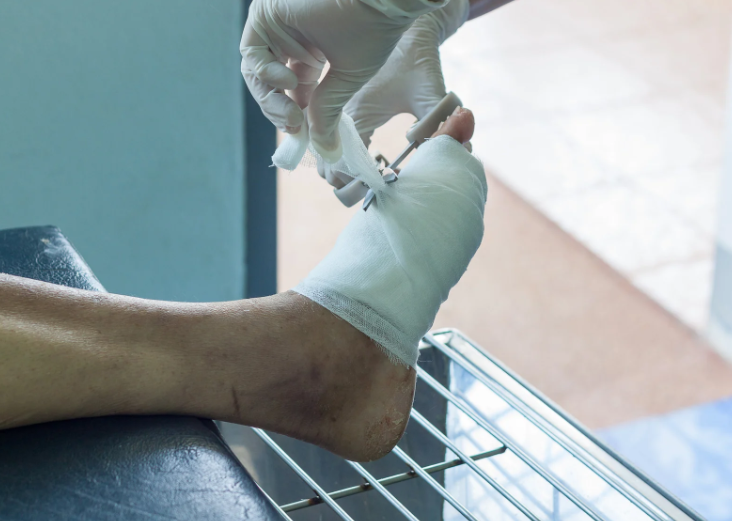
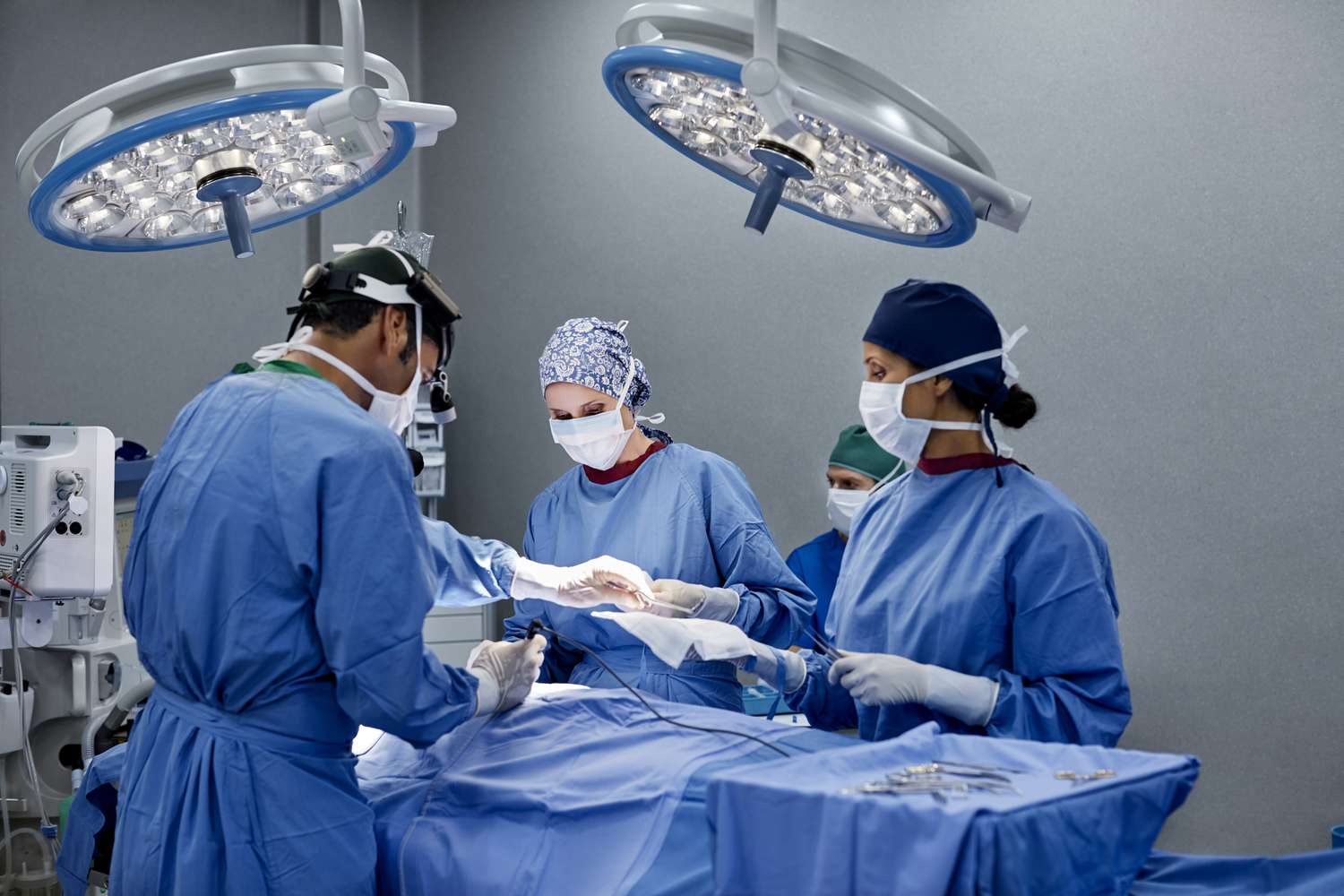
The removal of necrotic tissue is the core of the debridement procedure. Surgical, mechanical, enzymatic, or autolytic methods may be used depending on the wound type. The procedure focuses only on non-viable tissue to preserve healthy skin and promote healing.
Wound Cleaning and Dressing
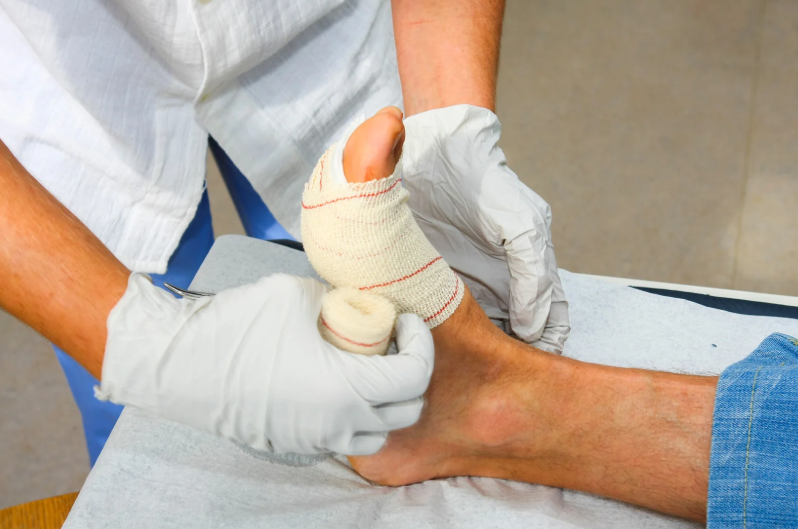
After tissue removal, the wound is carefully cleaned using antiseptic solutions. Dressing is applied based on the wound’s condition, maintaining a protective barrier while promoting optimal healing. Kalingap Wound Care Clinic provides tailored dressing solutions for every patient following a debridement procedure.
Post-Procedure Care
After a debridement procedure, monitoring is crucial. Patients should watch for signs of infection, manage pain appropriately, and attend follow-up visits. Professional guidance from Kalingap Wound Care Clinic ensures recovery progresses safely and efficiently.
Recovery After a Debridement Procedure
Recovery time after a debridement procedure varies depending on the wound’s severity and patient health. Pain and swelling may occur initially, but these can be managed with proper medical guidance. Patients should maintain a clean environment for the wound and follow all post-procedure instructions. Kalingap Wound Care Clinic provides ongoing monitoring and support to ensure wounds heal without complications.
Benefits of Professional Debridement
Professional debridement procedures offer significant advantages:
- Faster healing and reduced infection risk
- Precise removal of non-viable tissue without harming healthy tissue
- Expertise of trained medical staff
- Customized wound care plans for individual patient needs
Engaging Kalingap Wound Care Clinic guarantees that the debridement procedure is performed using the latest techniques and highest standards of care.
Takeaway
A debridement procedure is an essential part of effective wound management. Understanding each step—from assessment and preparation to tissue removal and post-procedure care—helps patients and caregivers navigate the process confidently. Professional guidance is crucial, and Kalingap Wound Care Clinic stands out as a trusted provider for safe, efficient, and customized debridement procedures. Patients can expect faster healing, lower infection risk, and expert support every step of the way.
FAQs About Debridement Procedure
How long does a debridement procedure take?
The duration varies by wound size and method used but typically ranges from 15 minutes to over an hour.
Is a debridement procedure painful?
Discomfort is minimized with local anesthesia or sedation, and professional clinics manage pain effectively during and after the procedure.
Can all wounds be debrided?
Not all wounds require debridement. A professional assessment determines whether the procedure is necessary.
How often should debridement be done?
Frequency depends on wound progression. Some wounds may require multiple sessions to promote complete healing.
When should I visit a professional clinic?
Immediate consultation is advised for chronic wounds, infections, or wounds that are not healing properly. Kalingap Wound Care Clinic provides expert evaluation and treatment.