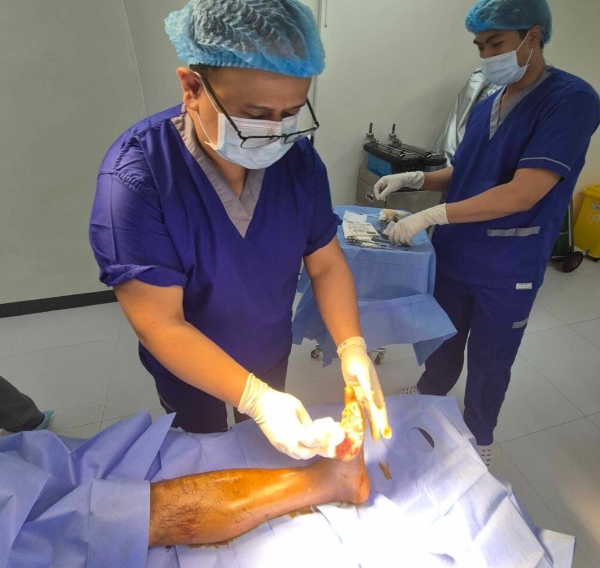
Pressure ulcers, also called bedsores or decubitus ulcers, affect many patients who are bedridden, recovering from surgery, or facing chronic illness. These wounds not only cause physical discomfort but also increase the risk of infection, slow recovery, and impact overall quality of life. Effective Pressure Ulcer Management is crucial to prevent complications and ensure proper healing. KALINGAP Wound Care Clinic in Quezon City and Metro Manila provides specialized care for patients with pressure ulcers, combining advanced medical techniques with a compassionate, Filipino-centered approach.
Our clinic focuses on tailored treatment plans that address both the wound and the overall health of the patient. Whether you are a caregiver seeking guidance or a patient managing chronic skin breakdown, KALINGAP’s team is ready to deliver professional support and education to improve outcomes.
Understanding Pressure Ulcers
Pressure ulcers form when prolonged pressure cuts off blood flow to the skin and underlying tissues. This usually happens over bony areas such as the heels, hips, lower back, and elbows. Patients with limited mobility, poor nutrition, or chronic conditions are at higher risk. Moisture, friction, and improper positioning can accelerate tissue damage, turning minor skin irritation into deep ulcers if not managed properly.
Recognizing early signs of pressure ulcers is essential. Reddened skin, tenderness, or a change in skin temperature can indicate the beginning stages of a sore. Without proper Pressure Ulcer Management, these wounds can worsen, potentially leading to infection, chronic pain, or systemic health problems. At KALINGAP Wound Care Clinic, our specialists focus on prevention, timely assessment, and targeted therapies to stop progression and promote healing.
Signs and Stages of Pressure Ulcers
Pressure ulcers are categorized into four stages based on severity. Stage I involves non-blanchable redness and minor skin irritation. Stage II presents as shallow open sores or blisters. Stage III reaches deeper into the tissue, potentially exposing fat. Stage IV is the most severe, affecting muscles, tendons, or bones. Understanding these stages helps caregivers and healthcare providers respond appropriately and apply effective Pressure Ulcer Management strategies.
Early detection is crucial because wounds that are treated promptly have a much higher chance of healing without complications. Caregivers and patients must learn to monitor pressure points regularly, reposition the body frequently, and maintain skin hygiene to prevent progression. At KALINGAP, our team evaluates each patient thoroughly and develops a plan that considers the ulcer stage, overall health, and patient-specific needs.
Comprehensive Pressure Ulcer Management at KALINGAP
Dr. Lou Mervyn Tec, MD, FPOA, leads the KALINGAP Wound Care Program. As a board-certified orthopedic surgeon and wound care specialist, Dr. Tec brings years of expertise in managing complex wounds using advanced techniques. His training in Japan and Australia, combined with local experience in the Philippines, allows him to blend modern medical approaches with compassionate care deeply rooted in Filipino values of kalinga (care) and lingap (nurture).
KALINGAP offers a full spectrum of Pressure Ulcer Management services:
Advanced Wound Assessment involves personalized evaluations using evidence-based tools. Every patient receives a detailed assessment that informs a treatment plan suited to their specific needs.
Ultrasonic Debridement is a gentle technique to remove dead or infected tissue, accelerating healing and reducing infection risk. This approach minimizes discomfort while enhancing recovery, especially for delicate or deep wounds.
Negative Pressure Wound Therapy (NPWT) uses vacuum-assisted devices to improve blood flow and stimulate tissue growth. This method is particularly effective for stubborn or deep pressure ulcers and can significantly reduce healing time.
Pressure Ulcer Treatment at KALINGAP includes customized care plans for bedridden patients. The team employs advanced dressings, offloading strategies, and support surfaces to relieve pressure and protect the skin.
Infection Management focuses on identifying and treating infections early to prevent complications. Proper cleaning, topical or systemic antibiotics, and ongoing monitoring ensure that patients remain safe and wounds continue to heal.
Education and Prevention Programs empower caregivers and patients with practical knowledge. Topics include proper hygiene, nutrition, repositioning strategies, and early detection techniques. These sessions are designed to prevent future pressure ulcers and support overall health.
Chronic Wound Management addresses long-term challenges for patients with persistent skin breakdown. By combining advanced therapies, continuous monitoring, and lifestyle guidance, KALINGAP ensures patients receive consistent care that supports both healing and comfort.
Prevention Strategies for Pressure Ulcers
Preventing pressure ulcers is a critical component of effective Pressure Ulcer Management. Regular repositioning is essential for patients who cannot move independently. Caregivers are encouraged to adjust body positions at least every two hours to reduce prolonged pressure on vulnerable areas.
Support surfaces, including specialized mattresses and cushions, can redistribute pressure and minimize tissue damage. Selecting the right surface based on patient needs and ulcer risk is a key step in preventive care.
Nutrition plays a significant role in skin health and wound healing. Adequate protein, hydration, vitamins, and minerals support tissue regeneration and overall immunity. KALINGAP provides dietary guidance tailored to each patient’s condition to enhance healing outcomes.
Hygiene and skin care reduce the risk of irritation and infection. Cleaning and moisturizing the skin, managing incontinence, and using appropriate protective dressings all contribute to effective Pressure Ulcer Management.
Caregiver education ensures consistent preventive measures. KALINGAP offers one-on-one sessions and training programs to equip families with the knowledge and skills needed to support patients at home, reducing the risk of new ulcers and promoting long-term wellness.
Why Choose KALINGAP Wound Care Clinic
KALINGAP Wound Care Clinic combines advanced medical techniques with a compassionate, Filipino-centered approach. Our name reflects our values: kalinga (care) and lingap (nurture), emphasizing attentive, holistic treatment.
Dr. Tec and his team provide expert Pressure Ulcer Management tailored to each patient, addressing both medical and emotional needs. The clinic’s commitment to accessibility ensures that high-quality wound care is available to patients in Quezon City and Metro Manila, including those with financial constraints.
KALINGAP’s approach extends beyond treatment. Education, preventive guidance, and ongoing support form the foundation of our care model. Patients and caregivers are empowered to take active roles in recovery and long-term wound prevention.
Takeaway
Effective Pressure Ulcer Management requires a combination of early detection, advanced medical techniques, preventive care, and compassionate support. KALINGAP Wound Care Clinic provides all these elements in a Filipino-centered approach, ensuring patients in Quezon City and Metro Manila receive personalized care that addresses both their medical and emotional needs.
By choosing KALINGAP, patients and caregivers gain access to expert treatments, educational guidance, and community-focused support that enhance recovery, prevent complications, and improve quality of life. Expert care for bedsores and chronic wounds is available, and every patient is treated with the attention and nurturing that reflect our core values of kalinga and lingap.
Frequently Asked Questions
How long does it take to heal a pressure ulcer?
Healing time varies depending on the stage of the ulcer, patient health, and adherence to treatment. Early-stage pressure ulcers may heal in days to weeks, while advanced ulcers may require months of consistent care.
Can pressure ulcers be completely prevented?
While some patients are at higher risk due to medical conditions or immobility, most pressure ulcers can be prevented with proper repositioning, skin care, nutrition, and early detection strategies.
Is Negative Pressure Wound Therapy painful?
Most patients experience minimal discomfort during NPWT. The therapy is designed to be gentle while promoting blood flow and tissue regeneration. Pain management strategies are incorporated if needed.
What role do caregivers play in Pressure Ulcer Management?
Caregivers are critical to prevention and treatment. They assist with repositioning, hygiene, dressing changes, and monitoring for early signs of skin breakdown. Education from KALINGAP ensures caregivers are well-prepared.
Does KALINGAP provide affordable options?
Yes, KALINGAP Wound Care Clinic offers accessibility programs, community outreach, and guidance on affordable care solutions to make high-quality Pressure Ulcer Management available to more patients.
Can chronic wounds heal completely?
With consistent, evidence-based treatment, many chronic wounds can achieve significant improvement and sometimes full healing. Long-term management and preventive measures are essential to maintaining skin health.