Living with incontinence can affect more than just physical comfort; it can impact emotional well-being, confidence, and daily routines. Incontinence, which includes both urinary and fecal forms, is more common than many realize. People experience different types, such as stress incontinence triggered by sneezing or laughing, urge incontinence characterized by sudden bladder urges, overflow incontinence due to incomplete emptying of the bladder, and functional incontinence linked to mobility or cognitive challenges. The causes range from aging, weakened pelvic muscles, neurological conditions, to chronic illnesses like diabetes. While it may feel overwhelming, professional incontinence treatment can restore control and improve quality of life. Early recognition and proactive care are essential to prevent complications and maintain independence. Seeking specialized care ensures that every case is addressed with precision and empathy.
Understanding the Importance of Incontinence Care
Professional incontinence care goes beyond temporary fixes; it focuses on long-term management and prevention of associated health issues. Without proper care, incontinence can lead to skin infections, urinary tract infections, and even emotional stress such as embarrassment and anxiety. Personalized treatment plans play a crucial role in addressing the specific type and severity of incontinence a patient experiences. Multi-specialty clinics, like Pro-Create Multi-Specialty Clinic in Cabanatuan City, offer comprehensive approaches combining medical, surgical, and therapeutic interventions. Coordinated care from urologists, physiotherapists, and nutrition experts ensures patients receive holistic support. Education about lifestyle changes and ongoing monitoring strengthens the effectiveness of treatment. Engaging in professional care encourages individuals to regain confidence and participate fully in daily activities.
Diagnostic Approaches for Incontinence
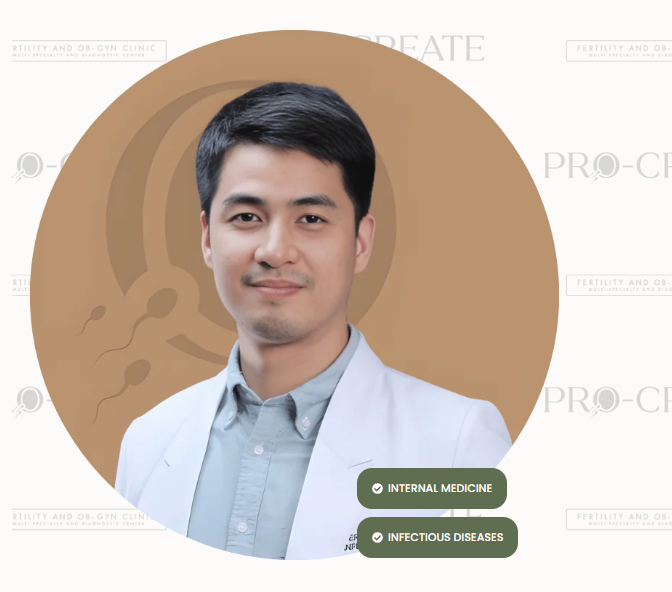
Accurate diagnosis is the foundation of effective incontinence treatment. Doctors, such as Dr. Sid Sergio, begin with a thorough physical examination and review of the patient’s medical history. Laboratory tests help identify underlying conditions like infections or metabolic disorders that may worsen incontinence. Imaging studies, such as ultrasounds or CT scans, allow visualization of the bladder, urethra, and surrounding structures to detect abnormalities. Urodynamic testing evaluates bladder function and capacity, helping doctors determine the most suitable interventions. Each patient receives a customized assessment to address unique symptoms and triggers. Understanding the root cause of incontinence guides targeted treatment, avoiding unnecessary procedures. Professional evaluation reduces the risk of complications and ensures a clear path to improved bladder and bowel control.
Non-Surgical Treatment Options for Incontinence
Many incontinence cases can be managed effectively with non-surgical approaches. Lifestyle adjustments, including limiting bladder irritants, moderating caffeine and alcohol intake, and maintaining proper hydration, are often the first step. Bladder training involves scheduled voiding to improve control and reduce accidents over time. Pelvic floor exercises, also known as Kegel exercises, strengthen muscles that support bladder function, improving both urinary and fecal continence. Physiotherapy offers specialized techniques and devices to enhance pelvic floor strength and coordination. Certain medications can help relax the bladder or increase muscle tone depending on the type of incontinence. These treatments can be combined for a more comprehensive management plan. Patients who adhere to non-surgical strategies often experience significant improvement without needing invasive procedures.
Advanced and Surgical Treatments
For patients with more severe or persistent incontinence, advanced and surgical treatments provide effective solutions. Minimally invasive procedures, such as urethral slings or injections, can correct structural issues and improve bladder control. Surgical interventions may be recommended in cases of significant pelvic organ prolapse or nerve-related bladder dysfunction. New therapies, including nerve stimulation and regenerative medicine, are available at specialized clinics like Pro-Create Multi-Specialty Clinic. Each surgical approach is tailored to the patient’s condition, overall health, and personal goals. Post-treatment rehabilitation, including physical therapy and lifestyle adjustments, ensures optimal recovery and long-term success. Patients are closely monitored to prevent complications and maintain ongoing bladder health. Expert guidance from physicians like Dr. Sid Sergio ensures that every step, from preoperative preparation to post-procedure care, is carefully managed.
Lifestyle and Home Management Tips
Managing incontinence at home requires practical strategies alongside professional care. Using absorbent products and protective garments can provide comfort and confidence during daily activities. Maintaining hygiene is critical to prevent skin irritation and infections, particularly for those with frequent episodes. Simple changes such as timed voiding, reducing fluid intake before bedtime, and practicing pelvic floor exercises daily support ongoing bladder control. Monitoring triggers like caffeine, alcohol, and certain medications helps minimize symptoms. Staying active and maintaining a healthy weight reduces pressure on the bladder and pelvic muscles. Family support and communication about care strategies encourage a positive environment and reduce the emotional burden of incontinence.
Role of Pro-Create Multi-Specialty Clinic in Cabanatuan City
Pro-Create Multi-Specialty Clinic in Cabanatuan City provides a comprehensive approach to incontinence treatment. Equipped with advanced technology and a multidisciplinary team, the clinic addresses every aspect of patient care. Dr. Sid Sergio leads specialized incontinence programs with expertise in both non-surgical and surgical interventions. The clinic emphasizes a patient-centered approach, creating personalized treatment plans based on detailed diagnostics and ongoing assessments. Combining medical, physiotherapeutic, and lifestyle strategies ensures effective and sustainable outcomes. Patients benefit from coordinated care, follow-up support, and access to the latest therapies. The clinic’s holistic focus prioritizes physical health, emotional well-being, and improved quality of life for all patients.
Frequently Asked Questions (FAQ)
- What causes incontinence, and is it preventable?
Incontinence can result from aging, weakened pelvic muscles, chronic diseases, neurological conditions, or structural abnormalities. While some causes are unavoidable, lifestyle changes, pelvic floor exercises, and timely medical care can reduce the risk or severity. - At what age should I seek incontinence care?
Incontinence can occur at any age, but seeking evaluation early, especially if symptoms interfere with daily life, is crucial. Early care often leads to simpler, more effective treatments. - How effective are non-surgical treatments compared to surgery?
Non-surgical treatments are highly effective for mild to moderate incontinence. Surgery is usually reserved for severe cases or when conservative methods fail. Personalized assessments determine the best approach. - Can incontinence be completely cured?
Many patients achieve full control with the right combination of treatments, though some may need ongoing management. Early intervention significantly improves outcomes. - How does Pro-Create Multi-Specialty Clinic personalize treatment plans?
The clinic evaluates each patient with detailed diagnostics, considers medical history, lifestyle, and symptoms, and designs tailored plans using non-surgical, surgical, or combined approaches for optimal results.
Takeaway
Incontinence treatment is not just about managing symptoms; it’s about regaining confidence, maintaining health, and enhancing daily life. With professional care from specialists like Dr. Sid Sergio at Pro-Create Multi-Specialty Clinic in Cabanatuan City, patients can access advanced diagnostics, personalized treatment, and holistic support. Whether through lifestyle changes, physiotherapy, medication, or surgical options, modern incontinence care provides hope and real solutions. Taking proactive steps and seeking expert guidance ensures that incontinence does not define daily life, empowering patients to lead active, fulfilling lives.