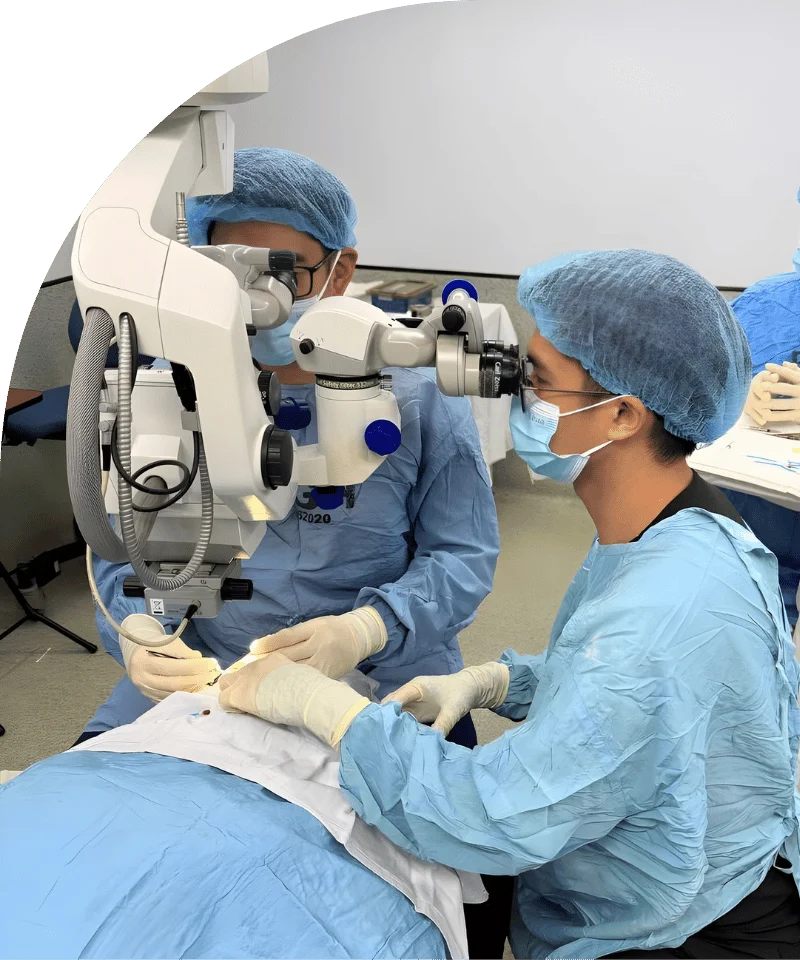

Abscess Incision and Drainage is a common minor surgical procedure designed to remove pus and reduce infection in affected tissues. Abscesses form when bacteria enter a small cut, wound, or blocked gland, leading to the accumulation of pus under the skin or within deeper tissue layers. Without treatment, abscesses rarely heal on their own and can become increasingly painful, cause fever, or spread infection to surrounding areas.
Abscess Incision and Drainage is considered the first-line treatment because it allows trapped pus to escape while promoting the body’s natural healing process. This procedure is performed by a qualified doctor and can significantly reduce discomfort, prevent severe complications, and improve recovery outcomes.
The Specialist Surgery & Cancer Center (TSSCC) in Quezon City, Metro Manila, offers a safe and controlled environment for patients requiring Abscess Incision and Drainage. Patients from Quezon City, nearby provinces, and other regions of the Philippines trust TSSCC for expert evaluation and treatment, avoiding unnecessary hospital stays while still receiving professional care.
Causes of Abscess Formation
Abscesses can develop for various reasons. Common causes include bacterial infections from minor cuts or wounds, ingrown hairs, cysts, boils, or blocked sweat and oil glands. People with chronic conditions such as diabetes or weakened immunity are more prone to recurrent abscess formation. Repeated friction, sweating, or exposure to minor skin injuries can also trigger abscess development.
Understanding the underlying cause of an abscess is crucial for effective treatment. Abscess Incision and Drainage not only removes the trapped pus but also prevents further infection and tissue damage. Timely treatment reduces the risk of the infection spreading to other areas of the body or entering the bloodstream, which can cause more serious health complications.
Signs and Symptoms Requiring Abscess Incision and Drainage
Patients may need Abscess Incision and Drainage if they notice a painful, swollen lump filled with pus. The area around the abscess is often red, warm, and tender. Fever, body aches, and general malaise may accompany the localized infection. Symptoms may also include a throbbing sensation, increasing swelling, or an abscess that does not improve with home care or antibiotics.
Recurring abscesses are another reason to seek professional care. Chronic conditions like hidradenitis suppurativa or uncontrolled diabetes can make certain individuals more susceptible to repeated infections. Abscess Incision and Drainage provides relief and reduces the likelihood of recurrence when combined with proper hygiene, lifestyle adjustments, and, in some cases, ongoing medical care.
How Abscess Incision and Drainage is Performed
Abscess Incision and Drainage is a straightforward outpatient procedure that can usually be completed within a short clinic visit. The doctor first evaluates the abscess to determine its size, depth, and location. Local anesthesia is administered to numb the area, ensuring the procedure is as comfortable as possible.
A small incision is made over the abscess, allowing the trapped pus to drain. After the pus is removed, the cavity is carefully cleaned to remove any remaining infectious material. Depending on the size of the abscess, a sterile dressing or packing material may be applied to facilitate continued drainage and healing. Patients receive instructions for at-home wound care to prevent reinfection and ensure a smooth recovery.
Abscess Incision and Drainage at TSSCC is performed with strict infection control protocols, making the clinic a safe choice for patients who wish to avoid hospital admission. The procedure is suitable for adults, teens, and seniors, including those with underlying health conditions that increase the risk of skin infections.
Benefits of Abscess Incision and Drainage
Abscess Incision and Drainage offers several advantages over other treatments. It provides immediate relief from pain and swelling caused by pus accumulation. Draining the abscess prevents the infection from worsening or spreading to other areas of the body. Early treatment also lowers the risk of serious complications, such as tissue damage or systemic infection.
For patients with chronic conditions or recurring abscesses, Abscess Incision and Drainage can improve quality of life by reducing repeated infections and the associated discomfort. The outpatient nature of the procedure allows patients to recover in a comfortable environment while minimizing medical expenses and hospital stays.
Preparing for Abscess Incision and Drainage
Proper preparation before Abscess Incision and Drainage ensures a smooth procedure and faster recovery. Patients should follow their doctor’s instructions, which may include maintaining clean skin around the abscess, avoiding certain medications that affect bleeding, and notifying the doctor of any allergies or medical conditions.
During the consultation, the doctor evaluates the abscess and discusses the procedure, expected outcomes, and post-procedure care. Understanding what to expect can reduce anxiety and help patients follow aftercare instructions effectively. Abscess Incision and Drainage is typically quick and straightforward, but proper preparation can improve both comfort and healing.
Post-Procedure Care and Recovery
Recovery after Abscess Incision and Drainage requires attention to wound care and hygiene. Patients should keep the area clean and dry, change dressings as instructed, and monitor for signs of infection. Pain and discomfort may persist for a few days, and over-the-counter pain relief may be recommended.
Follow-up appointments allow the doctor to monitor healing and remove any packing if necessary. In some cases, antibiotics may be prescribed to prevent further infection. Adhering to post-procedure care instructions ensures optimal recovery and reduces the risk of recurrence.
Preventing Future Abscesses
Preventing future abscesses involves proper hygiene, timely treatment of skin injuries, and management of chronic conditions. People prone to abscess formation should keep skin clean, avoid prolonged friction or irritation, and manage underlying health issues such as diabetes. Early medical evaluation for small skin infections can prevent the need for repeated Abscess Incision and Drainage procedures.
Regular checkups at TSSCC provide patients with guidance on preventing abscesses and managing skin health. Education, monitoring, and proactive care play a vital role in maintaining long-term wellness and reducing repeated infections.
Why Choose The Specialist Surgery & Cancer Center
TSSCC offers expert Abscess Incision and Drainage with a focus on patient comfort, safety, and recovery. Clinics provide a controlled environment that reduces the risk of infection and avoids unnecessary hospital admission. Patients across Quezon City, Metro Manila, and nearby provinces trust TSSCC for timely, professional care.
Doctors at TSSCC have extensive experience in treating abscesses, including complex or recurrent cases. Outpatient procedures allow patients to recover in a familiar environment while receiving ongoing support and guidance for wound care, hygiene, and prevention. This approach ensures a smooth recovery and reduces the likelihood of repeated abscess formation.
Frequently Asked Questions About Abscess Incision and Drainage
What is the typical recovery time after Abscess Incision and Drainage?
Recovery usually takes a few days to a week, depending on the size and severity of the abscess. Proper wound care and follow-up appointments help ensure fast healing.
Is Abscess Incision and Drainage painful?
Local anesthesia is used during the procedure to minimize discomfort. Mild soreness or swelling may occur after the procedure but can be managed with recommended pain relief.
Can abscesses return after Abscess Incision and Drainage?
Recurrence is possible, especially in patients with chronic conditions or poor hygiene. Following proper care and preventive measures significantly reduces the risk of recurrence.
Are antibiotics always necessary after Abscess Incision and Drainage?
Antibiotics may be prescribed if there is a risk of spreading infection or in patients with weakened immunity. Your doctor will determine the need based on your specific condition.
Can Abscess Incision and Drainage be performed on children or seniors?
Yes, the procedure is suitable for patients of all ages, including teens, adults, and seniors. The doctor evaluates each case to ensure safe and effective treatment.
How soon should I seek treatment for an abscess?
Early evaluation is crucial. Abscesses that grow rapidly, become increasingly painful, or are accompanied by fever should be treated promptly to avoid complications.