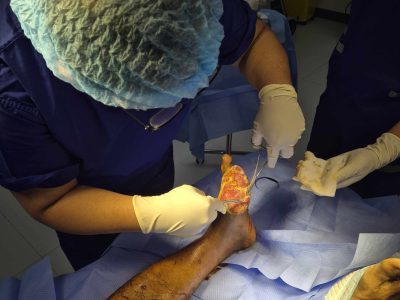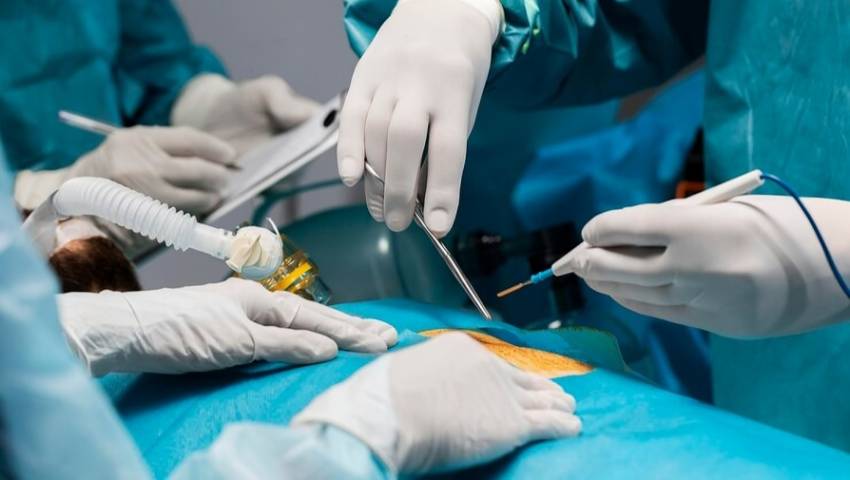
Proper 2nd Degree Burn Wound Care is essential to ensure faster healing and minimize long-term scarring. Burns of this nature penetrate deeper than first-degree burns, affecting both the outer layer of the skin and part of the underlying dermis. Without timely and appropriate treatment, 2nd degree burns can lead to infections, prolonged recovery, and unsightly scars that may affect mobility or appearance. Kalingap Wound Care Clinic specializes in professional 2nd Degree Burn Wound Care, helping patients achieve optimal healing and prevent permanent skin damage.
Understanding 2nd Degree Burns
2nd degree burns present with redness, swelling, intense pain, and the formation of blisters. These burns are classified into superficial and deep partial-thickness burns. Superficial burns affect the upper dermis and typically heal with minimal scarring when treated promptly. Deep burns extend into the lower dermis and require more advanced care to prevent complications. Understanding the severity of a burn is critical, as improper treatment of even a superficial burn can lead to delayed healing and increased risk of scars. Kalingap Wound Care Clinic provides expert assessment to determine the best 2nd Degree Burn Wound Care plan for each patient.
Why Early Intervention Matters
Immediate attention to a 2nd degree burn can significantly reduce the risk of scarring. Early 2nd Degree Burn Wound Care helps prevent infections, maintains skin integrity, and promotes faster recovery. Delays in treatment can result in tissue damage, prolonged inflammation, and abnormal collagen formation, all of which contribute to hypertrophic or keloid scars. Patients who seek professional care from Kalingap Wound Care Clinic benefit from early interventions that accelerate healing while minimizing visible or functional scarring.
Key Steps in 2nd Degree Burn Wound Care
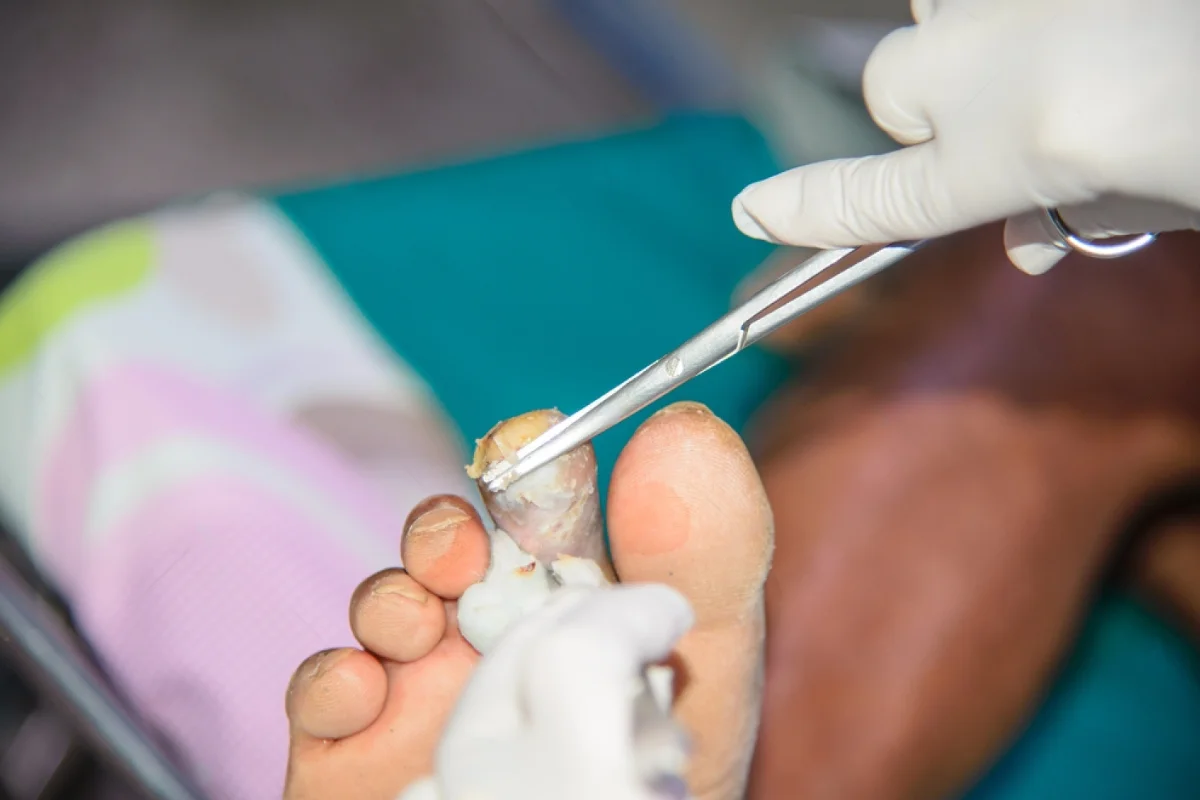
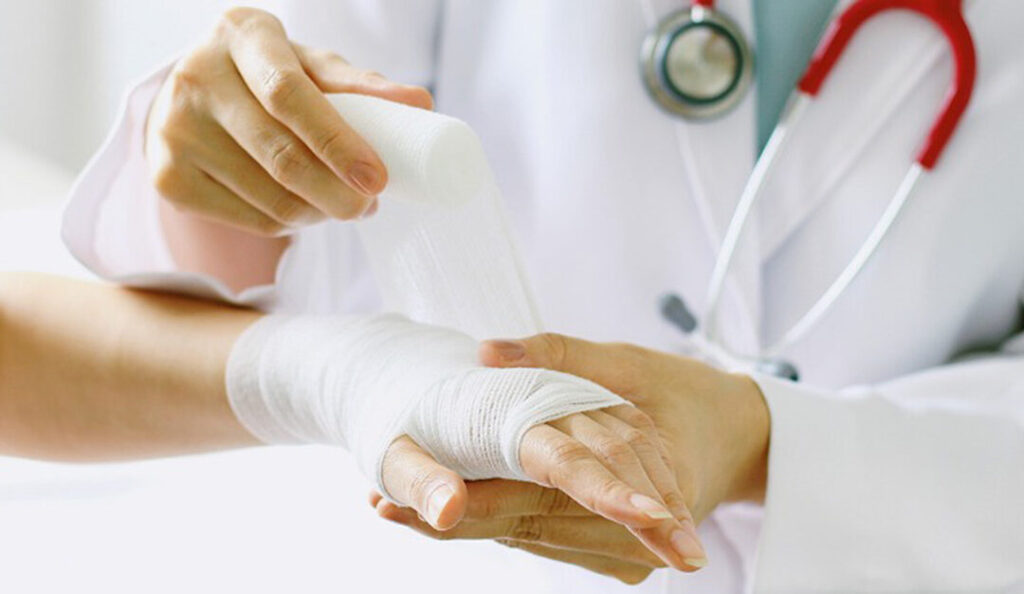
Proper 2nd Degree Burn Wound Care begins with immediate first aid. Cooling the burn with running water, cleaning the area gently, and avoiding ice directly on the skin are essential first steps. After initial care, proper dressing is critical. Non-stick, sterile dressings and appropriate topical ointments help maintain a moist environment that promotes faster skin regeneration. Pain management and close monitoring for signs of infection are equally important, as uncontrolled pain or unnoticed infection can slow healing and worsen scarring. Consulting healthcare professionals, such as those at Kalingap Wound Care Clinic, ensures that each step of 2nd Degree Burn Wound Care is done correctly and effectively.
How Early Care Prevents Scarring
Early 2nd Degree Burn Wound Care prevents scarring by supporting proper tissue repair and collagen formation. When burns are treated promptly, the skin retains more of its natural elasticity and structure. Moist, sterile wound environments prevent excessive scar tissue formation, while infection control reduces inflammatory responses that contribute to visible scarring. Kalingap Wound Care Clinic implements advanced wound care protocols that focus on minimizing trauma to the skin and promoting natural healing, ensuring that patients recover with the least possible scarring.
Additional Tips for Scar Prevention
Proper follow-up is crucial for maintaining the results of 2nd Degree Burn Wound Care. Avoid picking or bursting blisters, as this can introduce infection and increase scar formation. Use recommended creams or silicone sheets as directed by your burn care specialist. Protect the healing area from direct sun exposure to prevent pigmentation changes. Maintaining a healthy diet and staying hydrated also supports skin regeneration. Kalingap Wound Care Clinic provides guidance and personalized advice to maximize scar prevention and support long-term skin health.
When to Seek Professional Help
Professional evaluation is necessary for burns that show signs of infection, such as pus, increasing redness, swelling, or fever. Burns covering large areas or sensitive regions like the hands, face, or joints require immediate attention from trained specialists. Kalingap Wound Care Clinic offers comprehensive 2nd Degree Burn Wound Care services to address complex or high-risk burns, ensuring patients receive the highest level of care to prevent scarring and promote functional recovery.
Takeaway
Early and proper 2nd Degree Burn Wound Care is the most effective way to prevent scarring and promote faster healing. By acting quickly and following professional guidelines, patients can protect their skin, reduce pain, and minimize long-term complications. Kalingap Wound Care Clinic stands out as a trusted provider for burn care, offering expert assessment, tailored treatment plans, and ongoing support to ensure optimal recovery from 2nd degree burns.
FAQ
Q1: What is a 2nd degree burn?
A 2nd degree burn affects both the outer layer of skin (epidermis) and part of the underlying dermis, causing redness, pain, and blisters. Proper 2nd Degree Burn Wound Care is essential to prevent infection and scarring.
Q2: How soon should a 2nd degree burn be treated?
Immediate treatment is crucial. Early 2nd Degree Burn Wound Care reduces the risk of scarring and speeds up recovery.
Q3: Can 2nd degree burns heal without scars?
Yes, with prompt and proper 2nd Degree Burn Wound Care, many 2nd degree burns heal with minimal or no visible scars.
Q4: What are the best home practices before seeing a specialist?
Cool the burn with running water, gently clean it, and avoid popping blisters. Seek professional care from Kalingap Wound Care Clinic for optimal results.
Q5: When should I see a burn care specialist?
If the burn is large, deep, involves sensitive areas, or shows signs of infection, consult a professional immediately for advanced 2nd Degree Burn Wound Care.