
Femoral Neck Fracture Surgery Quezon City is a critical medical service for individuals who suffer serious hip injuries that affect mobility and quality of life. The femoral neck plays a vital role in connecting the thigh bone to the hip joint, making damage to this area especially debilitating. When a fracture occurs, daily activities such as standing, walking, or even sitting can become extremely painful or impossible. Many patients experience sudden lifestyle changes after the injury, requiring urgent medical evaluation. Orthopedic specialists in Quezon City are equipped with advanced diagnostic tools and surgical techniques to address these injuries effectively. Understanding how these fractures occur and how they are treated empowers patients and families to make informed healthcare decisions. Timely intervention often determines whether a patient can regain independence and long term mobility.
Understanding Femoral Neck Fractures
A femoral neck fracture refers to a break in the upper portion of the thigh bone located just below the ball of the hip joint. This area has limited blood supply, which makes healing more complex compared to other bones. When the fracture disrupts blood flow, the bone tissue may weaken further, increasing the risk of complications. These fractures are commonly seen in older adults but can also occur in younger individuals due to severe trauma. The injury often results in immediate pain and restricted movement. Medical professionals classify femoral neck fractures based on how displaced the bone fragments are. This classification plays a major role in deciding whether surgery is required and which surgical method is most appropriate.
Common Causes of Femoral Neck Fractures
Femoral neck fractures can occur due to a variety of factors that affect bone strength and balance. One of the most common causes is a fall, particularly among elderly individuals with reduced stability. High impact accidents such as vehicle collisions can also result in sudden fractures in younger patients. Bone conditions like osteoporosis significantly increase fracture risk by weakening bone density over time. Certain medications and chronic illnesses may further compromise bone health. Environmental hazards such as slippery floors or uneven surfaces also contribute to falls. Understanding these causes helps families implement preventive measures and seek early medical advice.
Recognizing Symptoms That Require Immediate Medical Attention
Prompt recognition of symptoms can make a substantial difference in recovery outcomes. Patients often experience intense pain in the hip or groin area immediately after injury. Weight bearing on the affected leg usually becomes impossible. The injured leg may appear shorter or turned outward, which is a clear warning sign. Swelling and stiffness around the hip joint are also common. Some patients may attempt to ignore mild pain, which can worsen the condition. Seeking immediate evaluation from specialists offering Femoral Neck Fracture Surgery Quezon City is essential for preventing further complications.
Diagnostic Procedures Used in Quezon City Medical Facilities
Accurate diagnosis is a critical step before proceeding with any surgical plan. Orthopedic doctors begin with a thorough physical examination to assess pain level and mobility. Imaging tests are then used to confirm the fracture and determine its severity. X rays are typically the first diagnostic tool, offering a clear view of bone alignment. In more complex cases, CT scans or MRI studies may be requested. These advanced images help detect fractures that are not visible on standard imaging. Diagnostic precision allows surgeons to select the most effective treatment approach.
When Surgery Becomes Necessary for Femoral Neck Fractures
Not all femoral neck fractures can heal without surgery, especially when the bone fragments are displaced. Surgery is often recommended to restore alignment and stability. Age, activity level, and overall health influence this decision. Delaying surgery may lead to complications such as poor healing or loss of blood supply to the bone. Many specialists in Femoral Neck Fracture Surgery Quezon City emphasize early surgical care for better outcomes. Surgical intervention aims to relieve pain and allow patients to regain mobility. This step often marks the beginning of structured recovery and rehabilitation.
Types of Femoral Neck Fracture Surgery Available in Quezon City
Different surgical techniques are used depending on the type and severity of the fracture. Orthopedic surgeons carefully evaluate each patient before selecting a procedure. The goal is to preserve hip function and prevent future complications.
• Internal fixation using metal screws to stabilize the bone
• Partial hip replacement when the femoral head is damaged
• Total hip replacement for severe fractures or older patients
• Customized surgical plans based on bone health and lifestyle
Each method has specific advantages depending on the patient profile. Surgeons in Quezon City are trained to perform these procedures using modern surgical equipment. Proper technique improves healing and reduces recovery time.
What to Expect Before Femoral Neck Fracture Surgery
Preparation before surgery involves several important steps. Patients undergo medical evaluations to ensure they are fit for anesthesia. Blood tests and imaging studies help identify any underlying risks. Doctors also review medications to avoid complications during surgery. Patients and families receive guidance on what to expect during hospitalization. Mental preparation is equally important to reduce anxiety. Clear communication between the medical team and the patient builds confidence. This preparation stage helps ensure a smoother surgical experience.
The Surgical Process Explained
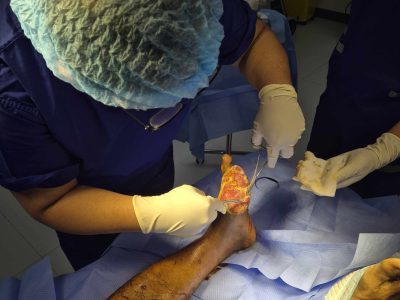
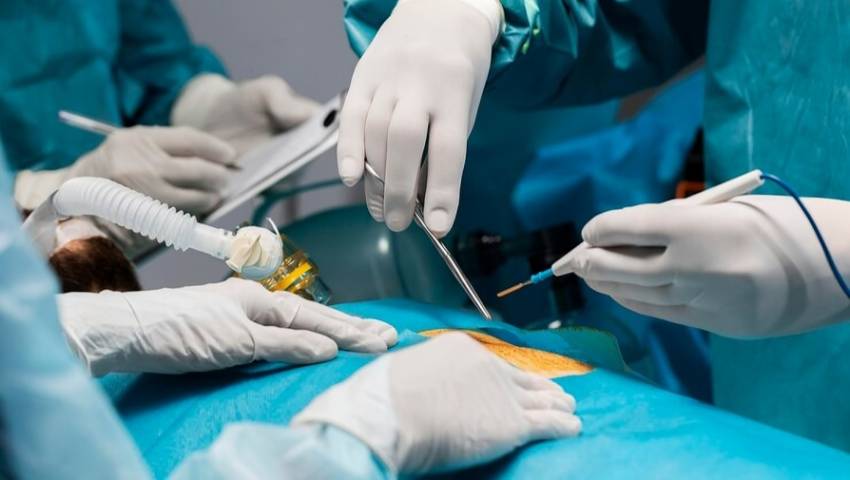
Femoral neck fracture surgery typically takes several hours depending on complexity. Patients are placed under anesthesia to ensure comfort throughout the procedure. Surgeons carefully access the hip joint to repair or replace damaged bone structures. Precision is essential to maintain proper alignment and stability. Advanced techniques used in Quezon City hospitals reduce tissue damage. Sterile protocols are followed strictly to prevent infection. After surgery, patients are transferred to recovery rooms for close monitoring.
Recovery Timeline After Femoral Neck Fracture Surgery
Recovery begins immediately after surgery and progresses in stages. Pain management is prioritized during the first few days. Patients are encouraged to begin gentle movement as soon as possible. Hospital stays vary depending on the procedure and overall health. Some patients transition to rehabilitation facilities for continued care. Progress is monitored through follow up visits and imaging tests. Gradual improvement in mobility is expected with proper care.
Rehabilitation and Physical Therapy After Surgery
Rehabilitation plays a central role in regaining strength and independence. Physical therapy usually starts shortly after surgery. Therapists guide patients through exercises that improve flexibility and muscle strength. Assistive devices such as walkers may be used temporarily. Consistency in therapy sessions supports faster recovery. Family support is important during this phase. Patients who follow rehabilitation plans closely often achieve better outcomes.
Potential Risks and Complications to Be Aware Of
Like all surgical procedures, femoral neck fracture surgery carries certain risks. Infection can occur if proper care is not maintained. Blood clots are another possible complication, especially in immobile patients. Implant related issues may arise over time. Some patients experience delayed bone healing. Surgeons minimize risks through careful planning and monitoring. Choosing experienced providers for Femoral Neck Fracture Surgery Quezon City significantly reduces these concerns.
Long Term Outcomes and Quality of Life After Surgery
Most patients experience significant pain relief after healing. Mobility improves gradually with rehabilitation and lifestyle adjustments. Many individuals return to daily activities with minimal limitations. Maintaining bone health through nutrition and exercise is essential. Regular follow ups help monitor joint function. Preventive measures reduce the likelihood of future fractures. Long term outcomes depend on adherence to medical advice and therapy.
Choosing the Right Hospital or Orthopedic Surgeon in Quezon City
Selecting the right medical provider is a critical decision. Experience and specialization in orthopedic surgery matter greatly. Facilities with modern equipment offer higher safety standards. Clear communication builds trust between patients and surgeons. Support services such as rehabilitation programs add value. Reputation and patient care quality should be considered. A skilled team improves both surgical and recovery experiences.
Cost Considerations for Femoral Neck Fracture Surgery in Quezon City
Costs vary based on procedure type and hospital services. Surgical fees, hospital stay, and rehabilitation contribute to total expenses. Insurance coverage may offset some costs. Patients should discuss financial options early. Transparent pricing helps families plan effectively. Quality of care should always remain the priority. Investing in proper treatment prevents costly complications later.
Frequently Asked Questions
How urgent is femoral neck fracture surgery
Surgery is often recommended as soon as possible to prevent complications and improve recovery.
How long does it take to walk again after surgery
Many patients begin assisted walking within days, with gradual improvement over weeks.
Is surgery safe for elderly patients
Yes, with proper evaluation and experienced surgeons, surgery is commonly performed safely.
Will physical therapy be required
Physical therapy is essential for restoring strength and mobility after surgery.
Can femoral neck fractures heal without surgery
Some minor fractures may heal without surgery, but many require surgical intervention for best outcomes.
Takeaway
Femoral Neck Fracture Surgery Quezon City offers patients access to specialized orthopedic care that supports healing and restores mobility. Early diagnosis, appropriate surgical planning, and consistent rehabilitation work together to improve outcomes. Patients and families who understand the process are better prepared to make confident healthcare decisions.