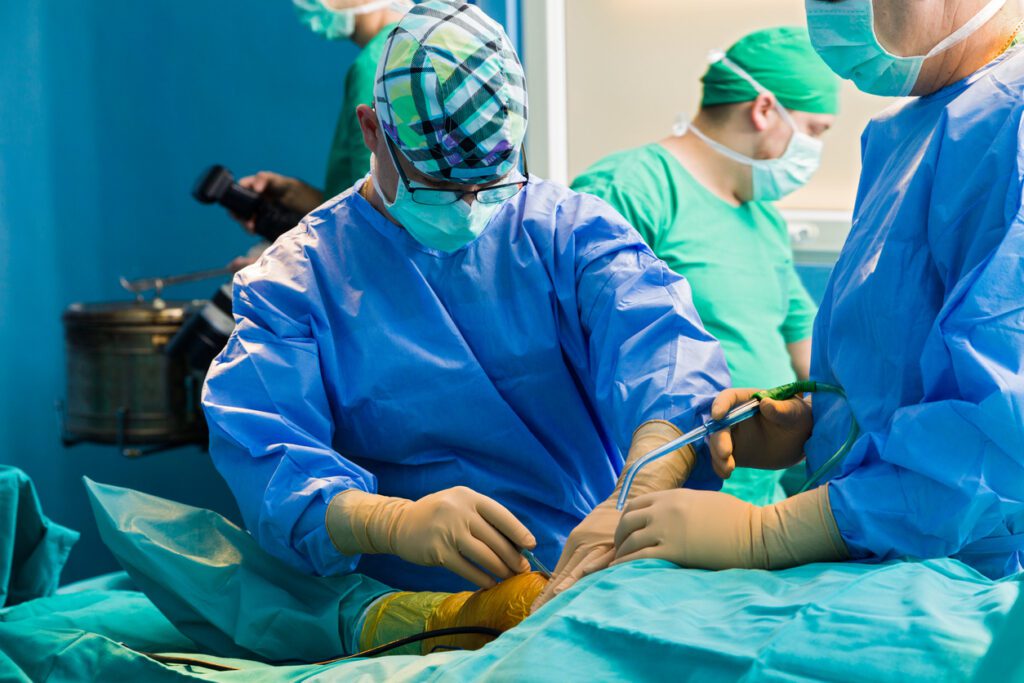
Understanding the Vital Role of an Orthopedic Surgeon
An Orthopedic Surgeon plays a crucial role in helping people regain mobility, reduce pain, and restore strength in the bones, joints, and muscles. This medical professional specializes in diagnosing and treating conditions affecting the musculoskeletal system, which impacts nearly every movement the body makes. Many people seek an Orthopedic Surgeon when they begin experiencing persistent discomfort that disrupts daily activities such as walking, lifting, or exercising. Early consultation is important because untreated issues can worsen over time, leading to long-term joint damage or loss of mobility. Patients often appreciate the expertise of an Orthopedic Surgeon because they offer both conservative and surgical care options tailored to each person’s lifestyle. Whether the concern is an injury from sports, age-related degeneration, or workplace strain, the surgeon provides a clear pathway toward improved physical function. Their guidance helps patients understand the root of their concern and what steps can restore comfort and movement.
Key Areas of Orthopedic Specialization
An Orthopedic Surgeon may focus on several areas, and understanding these subspecialties helps patients choose the right type of care. Sports medicine orthopedic surgery supports athletes and active individuals recovering from injuries like ligament tears or tendon damage. Joint replacement and reconstruction focus on conditions affecting the hips, knees, and shoulders, offering solutions when pain interferes with daily mobility. Spine surgery is another subspecialty that addresses herniated discs, spinal deformities, and nerve compression issues that affect posture and comfort. Hand and wrist surgeons treat problems like carpal tunnel syndrome, fractures, and tendon injuries that limit fine motor movement. Foot and ankle orthopedics help patients dealing with mobility challenges, flat feet, or chronic ankle instability. Pediatric orthopedics ensures that children with growth-related issues receive the right treatment at the right time, promoting healthy development and proper movement throughout life.
Common Conditions Treated by an Orthopedic Surgeon
Many people are unaware that the musculoskeletal system consists of over 200 bones and countless muscles, ligaments, and tendons, making it sensitive to both sudden injuries and gradual wear-and-tear. Arthritis is one of the most common conditions treated by an Orthopedic Surgeon, especially as people age and experience stiffness in their joints. Tendonitis and ligament injuries are also frequent, especially among athletes and physically active individuals. Fractures caused by accidents or falls often require specialized intervention to ensure bones heal properly and regain strength. Carpal tunnel syndrome affects the wrist and hand, causing discomfort or numbness that interferes with everyday tasks. Spine-related issues, such as herniated discs or scoliosis, also bring patients to the orthopedic clinic seeking relief and improved posture. An Orthopedic Surgeon carefully evaluates the symptoms to determine whether the condition is acute, chronic, or related to underlying structural problems that require long-term management.
Diagnostic Tools and Techniques in Orthopedic Medicine
Orthopedic diagnosis relies on a blend of careful examination and advanced imaging technology to fully understand what is happening inside the body. The first step usually involves a physical assessment where an Orthopedic Surgeon checks mobility, strength, and pain levels. X-rays help identify bone fractures, joint alignment issues, and degenerative changes. MRI scans give a deeper look into soft tissues such as ligaments, muscles, and tendons, making them essential for detecting hidden injuries. CT scans provide detailed cross-sectional images, especially useful for complex fractures or spinal issues. Ultrasound may be used to evaluate tendon and muscle function in real time, offering a fast and pain-free diagnostic option. Laboratory tests may be recommended to rule out infections or inflammatory diseases that mimic orthopedic problems. By combining these tools, the Orthopedic Surgeon creates a complete picture of a patient’s condition and prepares the most effective treatment plan.
Treatment Options Offered by an Orthopedic Surgeon
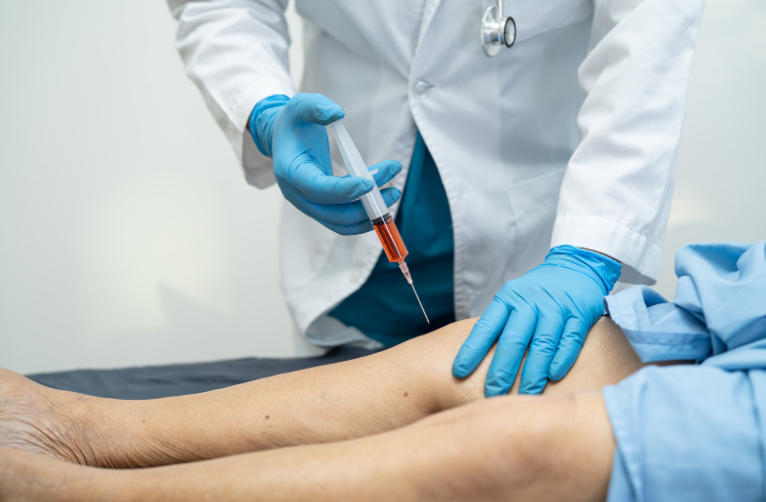
An Orthopedic Surgeon offers a range of treatments designed to fit the severity of the condition and the patient’s lifestyle. Non-surgical options are typically explored first, giving patients a chance to recover without invasive procedures. These treatments may include pain medication, physical therapy, joint injections, and lifestyle modifications to reduce stress on the affected joint. Bracing or immobilization devices also help the body heal while maintaining proper alignment. When surgery becomes necessary, modern techniques allow for safer and more precise procedures tailored to each patient. Common orthopedic surgeries include arthroscopy, fracture repair, joint replacement, and ligament reconstruction. An Orthopedic Surgeon ensures patients are fully informed about the benefits, risks, and recovery expectations before proceeding so they feel empowered in their treatment decisions.
Examples of Common Non-Surgical Treatments
- Physical therapy and strength training
- Joint injections for pain and inflammation
- Anti-inflammatory medication
- Bracing and immobilization
- Activity modification and rehabilitative exercises
Advancements and Innovations in Orthopedic Surgery
The field of orthopedic medicine continues to evolve, offering more effective treatments with faster recovery times. Robotics-assisted orthopedic surgery has become a major advancement, providing enhanced precision for joint replacement procedures. Minimally invasive surgical techniques reduce tissue damage, which results in less pain and shorter hospital stays. Regenerative medicine such as platelet-rich plasma (PRP) therapy and stem cell treatments helps promote natural healing, especially for tendon and cartilage injuries. Innovations in prosthetic technology ensure artificial joints last longer and function more naturally. Imaging advancements such as 3D scanning enhance surgical planning and help surgeons map out complex procedures with greater accuracy. These improvements allow an Orthopedic Surgeon to offer care that is safer, more efficient, and more supportive of long-term mobility. Patients greatly benefit from these advancements, gaining improved comfort and a faster return to their routines.
The Patient Journey: What to Expect When Working with an Orthopedic Surgeon
Working with an Orthopedic Surgeon involves a structured and supportive process that ensures each patient receives personalized care. During the first visit, the surgeon will listen to concerns, review symptoms, and evaluate movement limitations. Diagnostic tests are then used to confirm the cause of the discomfort, allowing the surgeon to explain the condition clearly. A customized treatment plan is created, often starting with conservative care before exploring surgical options. Pre-operative preparation is essential for those undergoing surgery, helping reduce risks and improve recovery outcomes. Post-operative recovery includes follow-up visits, physical therapy, and lifestyle guidance to ensure proper healing. Patients appreciate that throughout the journey, an Orthopedic Surgeon remains an active partner in their recovery, offering continuous support and resources. This patient-centered approach helps individuals regain confidence and mobility.
How to Choose the Right Orthopedic Surgeon
Choosing the right Orthopedic Surgeon is an important decision that affects long-term health and mobility. Patients should explore the surgeon’s training, board certifications, and years of experience in their specific condition. Subspecialization matters because experts in a focused field often deliver more precise and successful outcomes. Communication style is another important factor, as patients need a surgeon who listens carefully and explains treatment options clearly. Hospital affiliations can also impact the quality of care, especially if the facility is known for advanced orthopedic technology. Patients may ask questions during consultations to learn about success rates, preferred techniques, and recovery expectations. Reviews and recommendations from other patients can also be helpful, offering insight into overall satisfaction and bedside manner. Taking time to evaluate these factors helps ensure a positive and confident healthcare experience.
Preventive Care and Lifestyle Strategies for Musculoskeletal Health
Maintaining musculoskeletal health requires ongoing attention and healthy habits that protect the bones, joints, and muscles. Regular exercise helps strengthen the body and maintain flexibility, reducing the risk of injury. Good posture and ergonomic adjustments are essential, especially for individuals who work long hours at a desk or perform repetitive physical tasks. Proper nutrition supports bone density and joint function, especially with vitamins like calcium and vitamin D. Avoiding high-impact activities when experiencing joint pain helps prevent worsening damage. Early consultation with an Orthopedic Surgeon can prevent minor issues from becoming major concerns. Lifestyle balance, adequate sleep, and stress reduction also contribute to better musculoskeletal health. By taking proactive steps, individuals maintain mobility and reduce the likelihood of requiring extensive orthopedic treatment later in life.
Frequently Asked Questions (FAQ)
What symptoms indicate the need to see an Orthopedic Surgeon?
Persistent joint pain, limited mobility, swelling, stiffness, numbness, or difficulty performing daily activities may signal the need for orthopedic evaluation.
Are all orthopedic issues treated with surgery?
No. Many orthopedic problems are managed with non-surgical treatments such as therapy, medication, injections, and bracing.
How long is the recovery after orthopedic surgery?
Recovery depends on the type of surgery, overall health, and adherence to post-operative care, ranging from several weeks to several months.
What is the difference between an Orthopedic Surgeon and a physical therapist?
An Orthopedic Surgeon diagnoses and treats musculoskeletal conditions, including surgery when needed, while a physical therapist focuses on rehabilitation and exercise-based recovery.
Are minimally invasive orthopedic surgeries safe?
Yes. These techniques are widely accepted and offer benefits such as reduced pain, minimal scarring, and shorter recovery times.
Takeaway
Choosing an Orthopedic Surgeon is an important step toward restoring comfort, strength, and mobility. Their expertise in diagnosing, treating, and preventing musculoskeletal issues offers patients a path to improved movement and long-term wellness. With advancing technologies and patient-centered care, orthopedic treatment continues to evolve, giving individuals more effective options to maintain an active and pain-free lifestyle.