The hip joint is one of the most important joints in the human body, supporting your weight and enabling a wide range of movements, from walking and climbing stairs to running and dancing. When the hip joint becomes damaged or worn, everyday activities can become painful and difficult. Many people experience hip joint pain due to aging, injury, or degenerative conditions like osteoarthritis. Understanding the hip joint, recognizing early signs of problems, and knowing the available treatment options can help restore mobility and improve quality of life.
Hips and Knees Joint Restoration and Replacement Center in the Philippines specializes in advanced hip joint restoration and replacement surgeries for international patients. Many patients travel from the USA, UK, Australia, and New Zealand seeking affordable, high-quality care. The center combines expert surgical care, minimally invasive techniques, and personalized rehabilitation plans to ensure patients regain mobility and enjoy life without limitations.
Understanding the Hip Joint
The hip joint is a ball-and-socket joint formed by the top of the femur (thigh bone) and the acetabulum of the pelvis. The ball-shaped head of the femur fits into the cup-shaped socket of the pelvis, allowing smooth and stable movement. This joint is supported by strong ligaments, muscles, and cartilage that absorb impact and reduce friction during motion. Healthy cartilage in the hip joint is crucial for pain-free movement, providing cushioning between bones.
Several factors can affect hip joint health, including aging, repetitive stress, injuries, or degenerative conditions such as osteoarthritis and rheumatoid arthritis. Osteoarthritis is one of the most common causes of hip joint problems, resulting in worn cartilage and bone-on-bone friction. Trauma, fractures, or hip dysplasia can also lead to long-term hip joint damage, causing pain and reducing mobility. Recognizing hip joint issues early is key to preventing further deterioration and preserving an active lifestyle.
Signs and Symptoms of Hip Joint Problems
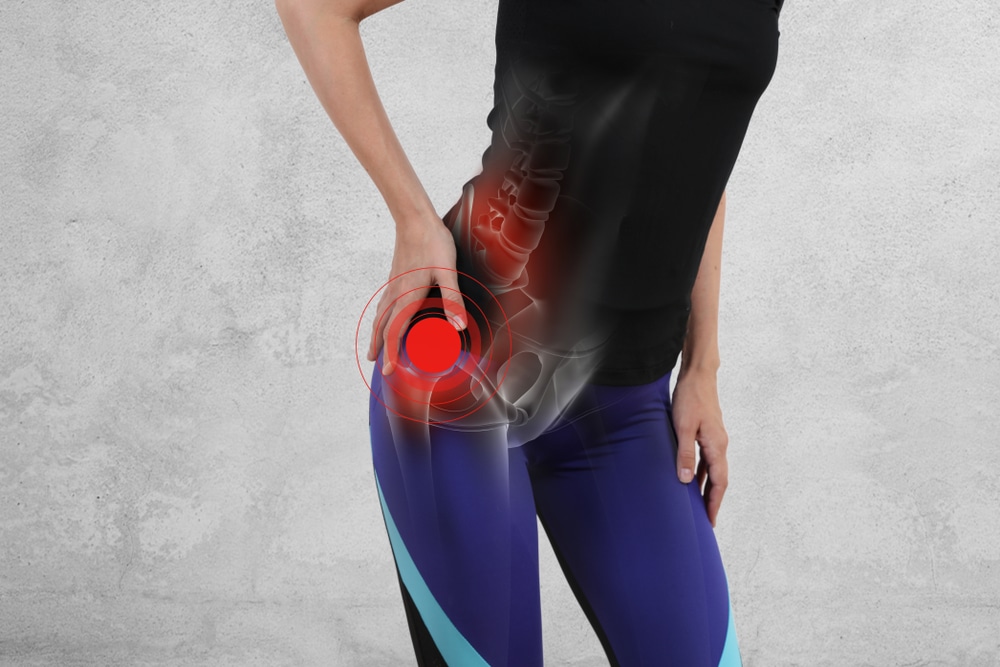
Hip joint problems often present with a variety of symptoms, some of which may seem subtle at first. Persistent hip pain is the most common symptom, which can be felt in the groin, thigh, buttocks, or even radiating down the leg. Stiffness and reduced range of motion in the hip joint are common, making it difficult to walk, climb stairs, or perform everyday tasks. Swelling, tenderness, or a feeling of instability in the hip joint may also indicate underlying issues.
Early signs of hip joint damage may include discomfort when sitting or standing for long periods, difficulty bending or squatting, and a noticeable limp. Patients often delay seeking treatment, thinking the pain will improve with rest, but untreated hip joint problems can worsen over time, leading to chronic pain and reduced mobility. Consulting an orthopedic specialist when symptoms appear ensures timely diagnosis and effective treatment.
Treatment Options for Hip Joint Issues
Hip joint problems can be managed through a range of treatments depending on the severity of the condition.
Non-Surgical Treatments
Mild to moderate hip joint pain can often be managed without surgery. Physical therapy is highly effective in strengthening the muscles surrounding the hip joint, improving flexibility, and reducing strain on the joint. Low-impact exercises, such as swimming, cycling, or walking, help maintain mobility without causing further damage.
Medications, including anti-inflammatory drugs and pain relievers, can provide temporary relief for hip joint pain and stiffness. Lifestyle modifications, such as weight management, proper footwear, and avoiding high-impact activities, can significantly reduce stress on the hip joint. Patients are encouraged to combine these approaches to slow joint deterioration and maintain an active lifestyle.
Surgical Treatments
When non-surgical treatments fail to relieve pain or restore function, hip joint surgery may be necessary. Hips and Knees Joint Restoration and Replacement Center offers advanced hip replacement surgeries, including total hip replacement, partial hip replacement, and minimally invasive procedures using the Direct Anterior Approach (DAA).
Total hip replacement involves removing the damaged bone and cartilage and replacing it with a prosthetic implant. Partial hip replacement may be an option for patients with damage limited to specific areas of the hip joint. The Direct Anterior Approach is a modern, minimally invasive technique that allows surgeons to access the hip joint without cutting major muscles. This approach results in less post-surgical pain, faster recovery, and improved mobility compared to traditional hip replacement methods.
Patients who choose to travel for hip joint surgery at Hips and Knees Joint Restoration and Replacement Center benefit from shorter waiting times and affordable packages that are 50–70% less expensive than in countries like the USA, UK, Australia, and New Zealand.
Recovery and Rehabilitation
Recovery after hip joint surgery varies depending on the type of procedure and the patient’s overall health. Most patients can start walking with support within a day or two of surgery, gradually progressing to full weight-bearing as advised by the orthopedic team. Personalized rehabilitation plans are essential for regaining strength, flexibility, and stability in the hip joint.
Physical therapy focuses on improving range of motion, strengthening surrounding muscles, and retraining proper movement patterns to protect the hip joint. Telemedicine follow-ups and ongoing monitoring ensure that recovery progresses smoothly, and any concerns are addressed promptly. Patients are encouraged to follow post-surgery guidelines carefully, including proper exercises, pain management, and activity restrictions, to maximize long-term hip joint function.
Why Choose Hips and Knees Joint Restoration and Replacement Center
Hips and Knees Joint Restoration and Replacement Center has earned a reputation as a trusted destination for hip joint restoration and replacement surgery. The center specializes in advanced minimally invasive techniques, including the Direct Anterior Approach, ensuring faster recovery and reduced post-operative discomfort. International patients benefit from expert surgeons, modern facilities, and a patient-centered approach that prioritizes comfort and safety.
Affordable all-inclusive packages cover surgery, accommodations, rehabilitation, and follow-up care, making high-quality hip joint surgery accessible to patients from countries with high medical costs or long waiting periods. The center’s commitment to compassionate care and seamless recovery ensures that patients regain mobility and return to daily activities with confidence.
Takeaway
The hip joint plays a vital role in movement, stability, and overall quality of life. Addressing hip joint problems early can prevent further deterioration and help maintain an active lifestyle. Hips and Knees Joint Restoration and Replacement Center offers advanced hip joint surgeries, including minimally invasive Direct Anterior Approach procedures, comprehensive rehabilitation, and affordable packages for international patients. Patients who choose the center can regain mobility, reduce pain, and return to everyday activities with confidence.
If you experience hip joint pain, stiffness, or limited mobility, consulting an orthopedic specialist is the first step toward recovery. With expert care, modern surgical techniques, and a patient-focused approach, life without hip joint pain is possible.
Frequently Asked Questions
Do you treat both hips and knees?
Yes, the center specializes in both hip joint and knee joint surgeries, including total and partial replacements using modern, minimally invasive techniques.
How much does hip replacement surgery cost?
Hip joint replacement packages are significantly more affordable than in countries like the USA, UK, Australia, and New Zealand, typically 50–70% lower while maintaining high quality.
What surgical techniques are available?
The center focuses on minimally invasive techniques, particularly the Direct Anterior Approach, which provides faster recovery, less pain, and improved mobility.
How soon can I schedule hip joint surgery?
Patients can schedule surgery within 2–4 weeks of consultation, ensuring timely treatment and minimal delay in regaining mobility.
What kind of post-surgery care is provided?
Comprehensive aftercare includes telemedicine follow-ups, personalized rehabilitation plans, and accommodations designed for comfortable recovery.
Who is an ideal candidate for hip joint surgery?
Patients with persistent hip pain, reduced mobility, or degenerative conditions like osteoarthritis are candidates for hip joint replacement. A thorough evaluation by an orthopedic specialist determines the most appropriate treatment.
Is surgery abroad safe?
Hips and Knees Joint Restoration and Replacement Center maintains international standards of care, employs expert surgeons, and provides patient-centered support to ensure safety and quality for all international patients.