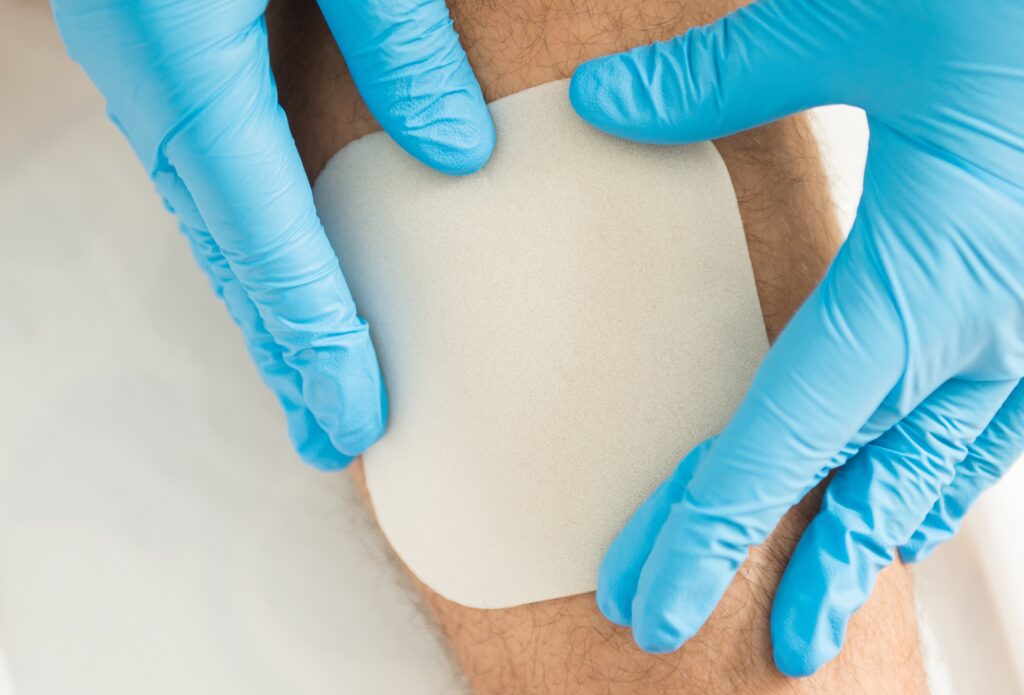
Understanding Wound Management
Expert wound management is a critical component of modern healthcare, focusing on promoting healing while preventing complications. Wounds can range from minor cuts to complex surgical wounds, each requiring careful assessment and intervention. Acute wounds, such as those caused by trauma or surgery, typically heal within a predictable timeframe, whereas chronic wounds like pressure ulcers or diabetic foot ulcers may persist for months. The goal of wound management is not only to close the wound but also to restore tissue function, prevent infection, and minimize scarring. Early identification of high-risk patients allows healthcare providers to implement preventive measures that accelerate recovery. Pain management, proper hydration, and nutrition are additional factors that influence healing outcomes. Overall, a structured wound care plan ensures patients receive tailored interventions that match the severity and type of their wounds.
Modern Surgical Solutions for Wound Healing
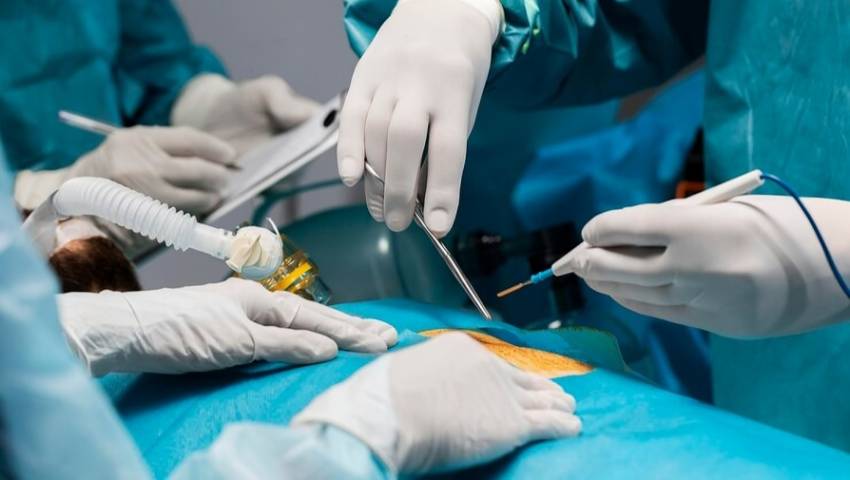
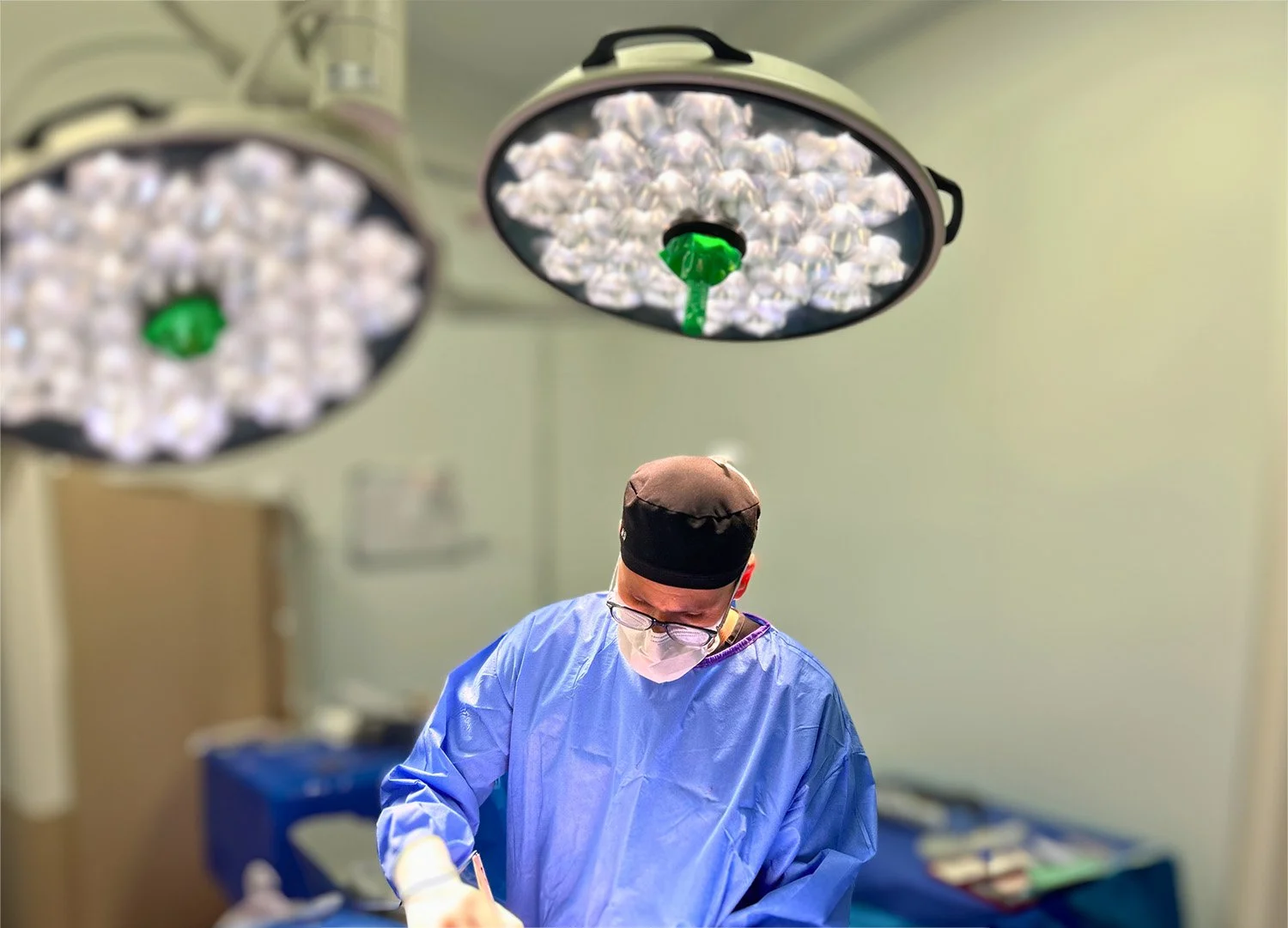
Modern surgical solutions have transformed the way wounds are treated, particularly for complex or non-healing wounds. Minimally invasive procedures, such as laparoscopic surgery, reduce tissue damage and speed up recovery while minimizing the risk of infection. Advanced surgical tools, including laser-assisted techniques and high-precision instruments, allow surgeons to debride and repair tissue with greater accuracy. These technologies also enhance the visualization of wound sites, ensuring that damaged tissue is fully addressed. In addition, robotic-assisted surgery has improved outcomes for patients with chronic wounds, especially those related to abdominal organs such as the liver or gall bladder. Combining these surgical methods with comprehensive post-operative care ensures that patients experience faster healing and fewer complications. By embracing innovative solutions, healthcare providers can deliver more predictable results for complex wounds.
Wound Care and Debridement
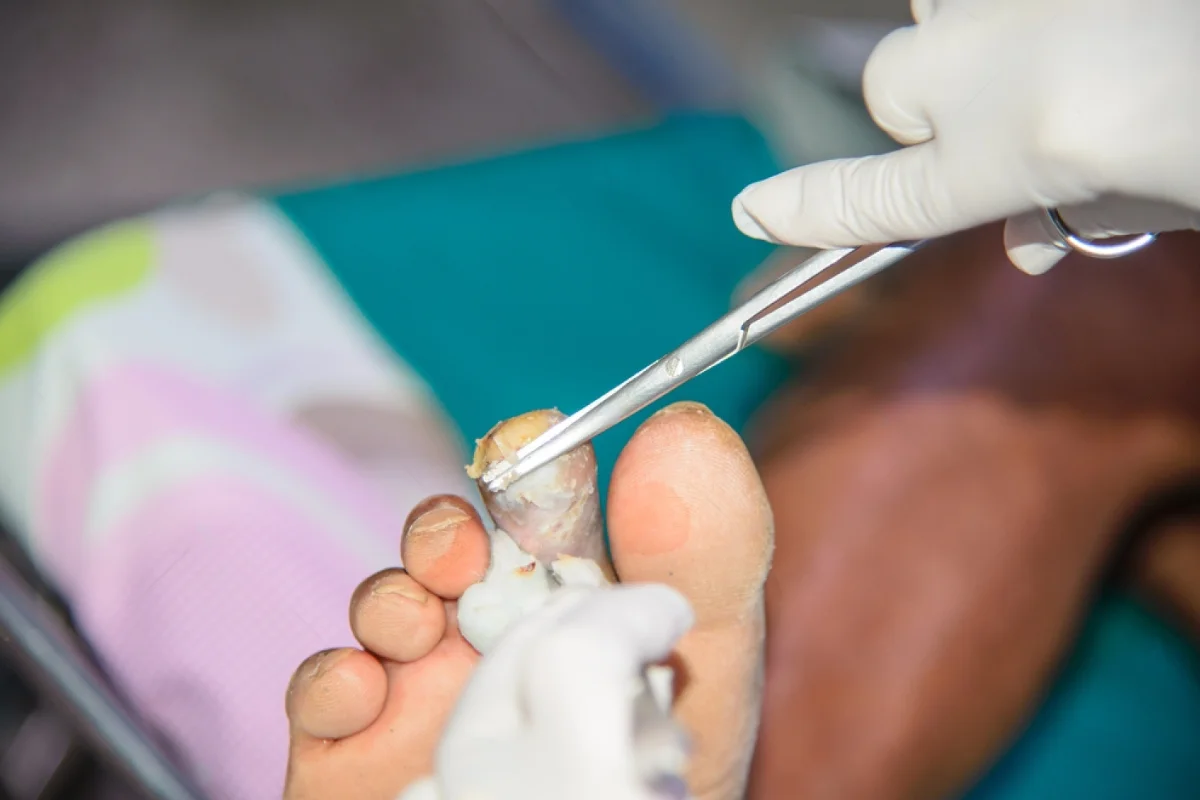
Debridement is a cornerstone of expert wound management, serving to remove dead or infected tissue to promote healing. Proper debridement reduces the bacterial load in a wound and stimulates the growth of healthy tissue. Various types of debridement are utilized depending on the wound’s characteristics:
- Surgical debridement: quick removal of necrotic tissue in an operating room setting
- Enzymatic debridement: use of chemical agents to break down dead tissue
- Mechanical debridement: physical removal using dressings or irrigation
- Autolytic debridement: leveraging the body’s own enzymes and moisture to dissolve tissue
- Biological debridement: use of medical-grade maggots to remove necrotic tissue safely
Selecting the appropriate method requires clinical expertise and careful monitoring. Effective debridement not only reduces infection risk but also accelerates wound closure and improves overall outcomes. Regular assessment ensures that wounds are healing properly and that interventions are adjusted as needed.
Integration with General Surgery
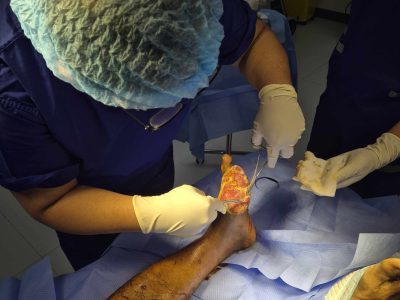
General surgery plays a pivotal role in expert wound management, especially for patients with abdominal or organ-related procedures. Surgeons like Dr. Kevin Bryan E. Marin perform interventions on organs such as the liver and gall bladder, where surgical wounds require specialized care. Post-operative wound care is critical to prevent infection, dehiscence, or delayed healing. Surgical protocols often include meticulous closure techniques, proper drainage systems, and scheduled follow-up appointments. Collaboration between surgeons, nurses, and wound care specialists ensures that patients receive consistent care. Education on proper wound handling and early recognition of complications is provided to both patients and caregivers. This integrated approach enhances recovery, reduces hospital stays, and improves overall patient satisfaction.
Specialized Care at Pro-Create Multi-Specialty Clinic
Pro-Create Multi-Specialty Clinic is recognized for delivering comprehensive and multidisciplinary wound care services. Their approach combines expertise from surgeons, wound care nurses, and rehabilitation specialists to address both acute and chronic wounds. Patients benefit from personalized care plans that consider wound type, underlying health conditions, and lifestyle factors. The clinic utilizes advanced wound dressings, negative pressure wound therapy, and other innovative treatments to optimize healing. Coordinated care ensures that patients receive timely interventions, reducing the risk of infection or complications. Furthermore, the clinic emphasizes patient education, empowering individuals to participate actively in their recovery. By offering a holistic model of care, Pro-Create ensures that expert wound management extends beyond the hospital setting.
Patient Education and Home-Based Wound Care
Proper home-based care is essential to support expert wound management and maintain healing momentum. Patients should be educated on hygiene practices, dressing changes, and nutritional needs that promote tissue repair. Maintaining a clean environment and following prescribed wound care instructions reduces the likelihood of infection. Nutritional support, including adequate protein, vitamins, and hydration, plays a significant role in accelerating recovery. Patients are advised to monitor wounds for signs of infection, such as redness, swelling, or unusual discharge. Home care also includes strategies for mobility and pressure relief, especially for chronic or bed-bound patients. With clear guidance and consistent follow-up, patients can actively contribute to their healing journey while reducing the need for prolonged hospital visits.
Preventing Complications in Wound Healing
Preventing complications is a central element of expert wound management. Common issues such as infection, delayed healing, or excessive scarring can hinder recovery and increase healthcare costs. Strategies to mitigate risks include maintaining strict hygiene protocols, employing appropriate wound dressings, and ensuring proper debridement. Monitoring patients for early signs of infection or poor healing allows timely interventions. Post-operative care plans often incorporate medications, nutrition optimization, and physical therapy to enhance outcomes. Patients undergoing surgeries involving the liver, gall bladder, or other internal organs require specialized monitoring due to the complexity of these procedures. Regular follow-ups, combined with education on warning signs, ensure that any complications are addressed promptly and effectively.
Emerging Trends in Wound Management
Wound care continues to evolve with the integration of new technologies and innovative treatment methods. Advanced wound dressings, including hydrocolloid, foam, and antimicrobial varieties, support optimal healing environments. Regenerative medicine techniques, such as stem cell therapy and growth factor applications, show promising results for chronic and non-healing wounds. Telemedicine platforms allow clinicians to monitor wound progress remotely, reducing hospital visits and improving patient convenience. Wearable devices that track moisture levels, temperature, and other wound indicators are becoming increasingly popular. These emerging trends enhance expert wound management by providing personalized, efficient, and data-driven care solutions. Keeping up with these advancements allows healthcare providers to deliver state-of-the-art treatment to patients.
Frequently Asked Questions
- What is the difference between surgical and non-surgical debridement?
Surgical debridement involves the physical removal of dead tissue in an operating room, whereas non-surgical methods use chemicals, dressings, or the body’s natural processes to eliminate necrotic tissue. - How often should wound dressings be changed?
Dressing changes depend on the wound type and the care plan, but most require daily or every-other-day changes to prevent infection and promote healing. - Can liver or gall bladder surgeries affect wound healing?
Yes, these surgeries involve abdominal incisions, and healing can be affected by factors like infection risk, tissue perfusion, and underlying health conditions. - What are the signs of an infection in surgical wounds?
Common signs include redness, swelling, warmth, pus or discharge, increased pain, and fever. Immediate attention is necessary if any of these occur. - How does Pro-Create Multi-Specialty Clinic ensure expert wound management?
The clinic combines multidisciplinary expertise, advanced technology, personalized care plans, patient education, and continuous monitoring to optimize healing outcomes.
Takeaway
Expert wound management combines advanced surgical techniques, multidisciplinary care, patient education, and emerging technologies to achieve optimal healing. From acute injuries to complex post-operative wounds, early intervention and proper care are crucial. Clinics like Pro-Create Multi-Specialty Clinic provide comprehensive strategies tailored to each patient’s needs, ensuring faster recovery, reduced complications, and better quality of life. By understanding wound types, embracing modern solutions, and following professional guidance, patients can actively support their healing journey and maintain long-term wellness.