
Understanding the Body’s Protective Response in Vaginismus
Vaginismus is a condition where the pelvic floor muscles tighten involuntarily when penetration is attempted or anticipated. This response is not intentional and often happens without conscious control. The body is essentially reacting as if it needs to protect itself from harm, even when no actual danger is present. Many individuals first notice it during attempts at intercourse, tampon use, or gynecological exams. This can lead to confusion, frustration, and avoidance of intimate or medical situations. Vaginismus treatment focuses on retraining both the body and mind to reduce this protective response over time. Understanding that this is a physical reflex rather than a personal failure is an important part of healing. With the right support, this condition is highly manageable and often improves significantly.
How Pelvic Floor Muscles Respond in Vaginismus
The pelvic floor muscles form a supportive sling at the base of the pelvis and play a role in bladder control, stability, and sexual function. In vaginismus, these muscles contract involuntarily during attempts at penetration. This tightening can range from mild resistance to a complete inability to allow entry. The brain may interpret penetration as a threat, triggering a reflexive muscle response. Over time, this response can become conditioned, meaning the body reacts automatically even without pain. Vaginismus treatment helps interrupt this cycle through controlled relaxation and retraining techniques. Awareness of how these muscles function helps reduce fear and builds confidence in recovery. Many individuals begin to feel more in control once they understand the physical mechanics behind their symptoms.
Different Forms of Vaginismus
Vaginismus can appear in several patterns depending on when and how it develops. Primary vaginismus refers to cases where penetration has always been difficult or impossible. Secondary vaginismus develops after a period of previously comfortable sexual or medical penetration. Situational vaginismus occurs only in specific circumstances, such as during intercourse but not during medical exams. Generalized vaginismus happens consistently across all types of penetration attempts. Each form may require slightly different approaches within vaginismus treatment plans. Identifying the type helps professionals create more targeted care strategies. It also allows individuals to better understand their own experiences without confusion or self-blame.
Underlying Factors That Contribute to Vaginismus
There is rarely a single cause of vaginismus, as it usually develops from a combination of influences. Emotional factors such as anxiety or fear of pain are commonly involved. Past experiences, including trauma or uncomfortable medical procedures, may contribute to muscle guarding. Cultural or social messaging about sexuality can also shape subconscious reactions. Relationship stress or lack of emotional safety may increase physical tension. In some cases, physical conditions such as infections or hormonal changes may contribute. Effective vaginismus treatment considers both emotional and physical influences together. Addressing all contributing factors helps create more sustainable improvement.
Recognizing Common Symptoms
Symptoms of vaginismus vary but typically involve involuntary tightening during attempts at penetration. Some individuals report burning, stinging, or sharp discomfort sensations. Others may experience complete inability to insert tampons or tolerate pelvic exams. Anxiety before intimate or medical situations is also common. Emotional reactions such as embarrassment or frustration may develop over time. Avoidance behaviors often increase as individuals try to prevent discomfort. These symptoms can interfere with relationships and medical care if not addressed. Early recognition helps guide timely vaginismus treatment and reduces long-term distress.
Diagnostic Process and Clinical Evaluation
Diagnosis usually begins with a conversation with a healthcare provider about symptoms and experiences. Providers often ask about medical history, emotional factors, and any prior discomfort during penetration. A gentle physical examination may be suggested, but only when the individual feels comfortable. The purpose is to rule out other medical conditions that could cause similar symptoms. These may include infections, dermatological conditions, or structural abnormalities. If no physical cause is found, a muscular and reflex-based diagnosis is often made. Multidisciplinary evaluation may include gynecologists, pelvic floor therapists, or mental health professionals. This collaborative approach helps shape a more effective vaginismus treatment plan.
Emotional Effects and Mental Well-Being
Vaginismus can significantly affect emotional health and self-image. Many individuals feel frustration or sadness due to difficulties with intimacy. Anxiety may increase over time, especially when anticipating penetration or exams. Relationships may feel strained when communication about the condition is limited. Avoidance of intimacy or medical care can further contribute to emotional stress. Feelings of isolation may occur if the condition is not openly discussed. These emotional experiences are valid and commonly addressed in vaginismus treatment. Psychological support plays a key role in helping individuals regain confidence and emotional balance.
Treatment Approaches That Support Recovery
Vaginismus treatment often involves a combination of physical and psychological methods. Each approach focuses on gradually reducing muscle tension and fear responses. Progress is usually slow and individualized to ensure comfort. Many individuals benefit from a structured plan guided by healthcare professionals. Treatment is most effective when both mind and body are addressed together. Common approaches include:
- Pelvic floor physical therapy for muscle relaxation and control
- Vaginal dilator therapy for gradual desensitization
- Cognitive behavioral therapy for anxiety and thought patterns
- Sex therapy for communication and intimacy concerns
- Medical interventions in specific or severe cases
- Relaxation techniques such as breathing and mindfulness exercises
These methods are often combined for more effective vaginismus treatment outcomes.
Pelvic Floor Therapy and Muscle Retraining
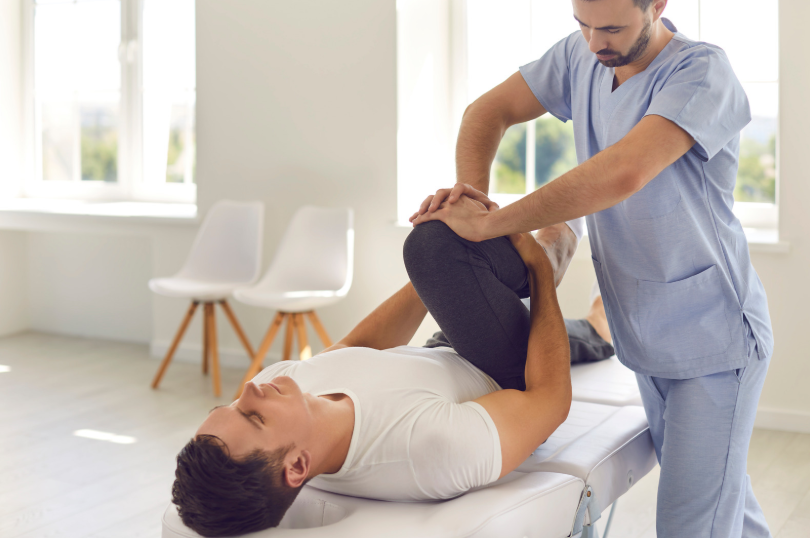
Pelvic floor physical therapy focuses on helping individuals gain awareness and control over pelvic muscles. Therapists guide exercises that promote relaxation and reduce involuntary tightening. Techniques may include breathing coordination, gentle manual therapy, and biofeedback tools. These sessions help individuals identify tension patterns in the body. Over time, the muscles learn to respond more calmly during penetration attempts. Therapy is always adjusted to the individual’s comfort level. Many people find this approach empowering because it provides direct insight into bodily responses. Consistent practice is important for lasting results in vaginismus treatment.
Vaginal Dilator Therapy Process
Vaginal dilator therapy involves gradual exposure using smooth, medical-grade devices of increasing sizes. The process begins with the smallest size to ensure comfort and confidence. Each step is only advanced when the individual feels ready. This helps retrain the brain’s response to penetration without triggering fear. Relaxation techniques are often used during the process to support muscle release. Progress is unique for each person and cannot be rushed. This method is commonly included in vaginismus treatment plans due to its effectiveness. Emotional support during this process can also improve comfort and motivation.
Psychological Therapy and Emotional Support
Psychological therapy helps address fear-based thinking and emotional responses linked to vaginismus. Cognitive behavioral therapy focuses on changing unhelpful thought patterns that reinforce anxiety. Sex therapy provides a safe space to discuss intimacy concerns and relationship dynamics. These therapies help individuals develop healthier associations with penetration and intimacy. Communication skills are often improved, especially within relationships. Emotional safety becomes a key focus during treatment. This support helps reduce mental barriers that contribute to physical tightening. Psychological care is an essential part of comprehensive vaginismus treatment.
Medical Treatment Options When Needed
In certain cases, medical interventions may be considered alongside therapy. Botox injections can temporarily relax overactive pelvic muscles in more severe cases. Topical anesthetics may help reduce sensitivity during early treatment stages. Hormonal evaluations may be conducted if underlying imbalances are suspected. Medication for anxiety may support individuals with strong fear responses. These interventions are always used under medical supervision. They are not standalone solutions but supportive tools within vaginismus treatment. Medical care is tailored carefully to individual needs and conditions.
Role of Relationship Support
Support from a partner can positively influence recovery and emotional comfort. Open communication helps reduce pressure and builds trust. Partners are often encouraged to learn about the condition together. Emotional support is more helpful than focusing on performance or outcomes. Intimacy can be maintained in non-penetrative ways during treatment. This helps preserve connection while reducing stress. Patience and understanding are essential qualities in supportive relationships. Healthy communication often improves the effectiveness of vaginismus treatment.
Home-Based Strategies for Support
Self-care practices at home can complement professional treatment and enhance relaxation. Breathing exercises help reduce anxiety and muscle tension. Mindfulness techniques encourage awareness without fear or judgment. Gentle stretching may support pelvic relaxation and body awareness. Journaling can help identify emotional triggers and progress patterns. Education about the condition reduces uncertainty and builds confidence. These strategies reinforce the effects of vaginismus treatment when practiced consistently. Self-care encourages active participation in the recovery process.
Managing Daily Experiences
Daily life with vaginismus may require adjustments to reduce stress and discomfort. Medical visits may involve preparation to ensure emotional comfort. Intimacy is approached gradually without pressure or expectation. Emotional responses may vary depending on stress levels and progress. Support systems play an important role in maintaining stability. Progress is often gradual rather than immediate. Vaginismus treatment helps improve confidence in everyday experiences over time. Understanding personal limits supports emotional well-being.
Misunderstandings About Vaginismus
There are many misconceptions surrounding vaginismus that can delay treatment. One common misunderstanding is that it is purely psychological, when it also involves physical muscle responses. Another is that it cannot improve, which is not accurate with proper care. Some believe it reflects lack of desire, which is incorrect. Others think it affects only certain individuals, which is also untrue. These misconceptions can create unnecessary stigma. Education is an important part of vaginismus treatment. Accurate information helps individuals seek support more confidently.
When Professional Help Becomes Important
Professional support is recommended when symptoms interfere with daily life or intimacy. Persistent discomfort or inability to tolerate penetration are key signs. Avoidance of medical care due to fear is another important indicator. Emotional distress related to symptoms also suggests the need for support. Early care often leads to better outcomes and faster improvement. Healthcare providers can design structured vaginismus treatment plans based on individual needs. Seeking help is a proactive step toward recovery. Support is available through medical and therapeutic professionals.
Frequently Asked Questions
What is the goal of vaginismus treatment?
The goal is to reduce involuntary muscle tightening and improve comfort during penetration. It also addresses emotional and psychological factors that contribute to the condition. Treatment aims to create both physical relaxation and mental ease. Over time, individuals often experience improved confidence and reduced anxiety. The approach is personalized based on individual needs.
How long does recovery usually take?
Recovery time varies depending on severity, consistency, and treatment approach. Some individuals notice improvement within a few months. Others may require longer periods of gradual progress. There is no fixed timeline for vaginismus treatment. Consistency plays a major role in outcomes.
Is treatment uncomfortable?
Treatment is designed to be comfortable and guided by personal limits. Some mild discomfort may occur during early stages of desensitization. However, techniques are adjusted to ensure safety and relaxation. Communication with providers helps maintain comfort. The process is gradual and supportive.
Can vaginismus improve naturally?
Some mild cases may improve over time, but structured vaginismus treatment usually provides more reliable results. Without support, symptoms may persist due to avoidance patterns. Professional care helps address both physical and emotional factors. Guided treatment increases the likelihood of improvement. Early support is beneficial.
Can intimacy still exist during treatment?
Yes, intimacy can still be present in many forms. Emotional closeness, affection, and non-penetrative intimacy remain possible. Communication helps maintain connection during treatment. Pressure is reduced by focusing on comfort and trust. Relationships can remain strong during recovery.
Takeaway
Vaginismus is a manageable condition that involves both physical muscle responses and emotional influences. Effective vaginismus treatment combines pelvic floor therapy, psychological support, gradual exposure techniques, and compassionate care. Progress is often steady but individualized, allowing each person to move at a comfortable pace. Understanding the condition helps reduce fear and encourages active participation in recovery. With consistent support and guidance, many individuals experience meaningful improvements in comfort, confidence, and overall well-being.